


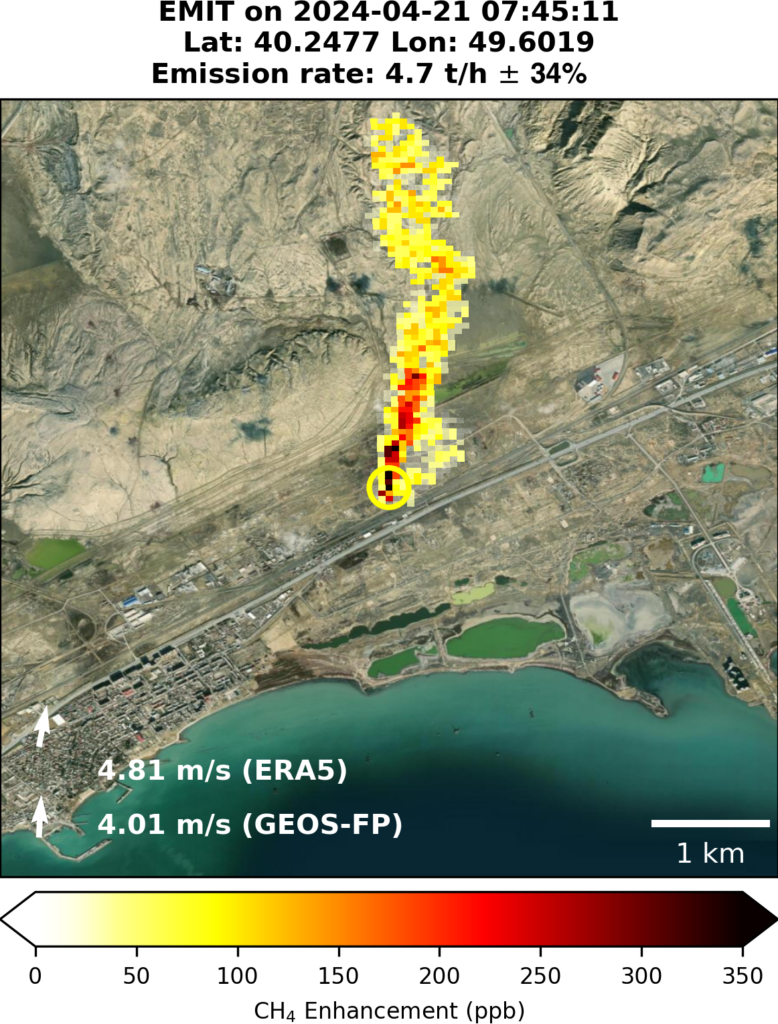
SRON scientists have developed an open-source system called HyperGas that enables users to convert raw hyperspectral satellite observations into greenhouse-gas plume concentrations and emission estimates. Hyperspectral satellites have a high enough resolution to detect and quantify greenhouse gas emissions from individual facilities. By providing a common framework across multiple instruments, the software helps build a consistent and transparent community-supported system for quantifying facility-level emissions.
Month: July 2026
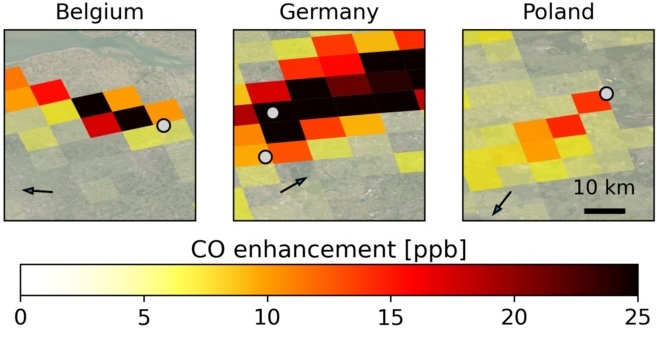
NWO grant for research into global carbon monoxide emissions from cities and steel industry
SRON researcher Ivar van der Velde has been awarded an NWO ENW-M grant to apply machine learning methods on carbon monoxide measurements from the Dutch satellite instrument TROPOMI.
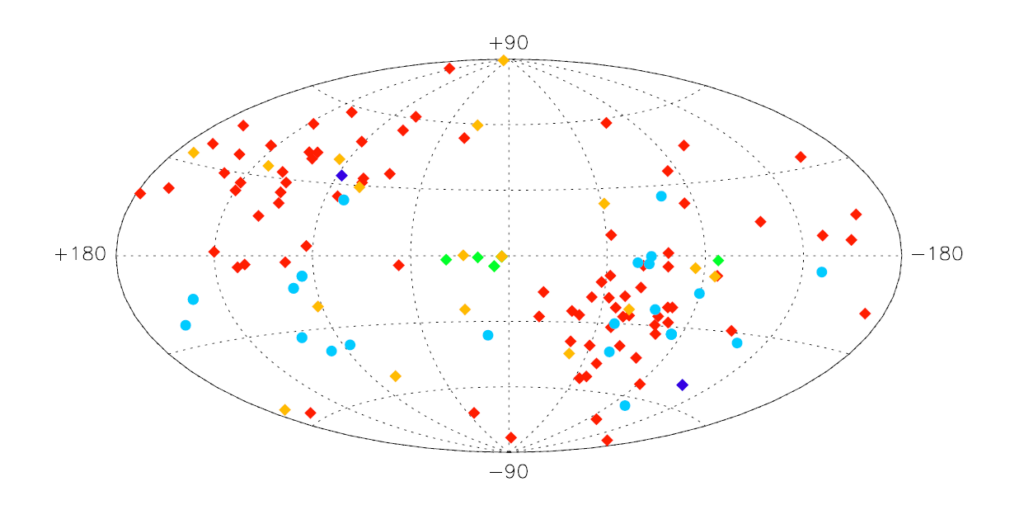
Over sixty flaring stars emerge from BeppoSAX data
A new analysis of the database from a past X-ray mission has revealed 63 new flaring stars. Some of the discovered X-ray and gamma-ray bursts occurred on sun-like stars in our immediate vicinity. The researchers observed the other portion coming from the distant universe, several billion light-years away. The SRON researchers conclude that the flares in the distant universe are likely all X-ray counterparts of gamma-ray bursts.