

20 years of KIDs

The versatile Kinetic Inductance Detector (KID) promises to unravel many mysteries in the universe. But how did we get to this point? With a development process that itself was full of groundbreaking insights and milestones.

Breakthroughs in solid-state physics. Pioneering work with thermal shielding, and frustrations with breaking crystalline silicon. Exciting ideas and publications with significant consequences. Perfection of manufacturing and euphoria at the first astronomical measurement.
 

KID's SRON

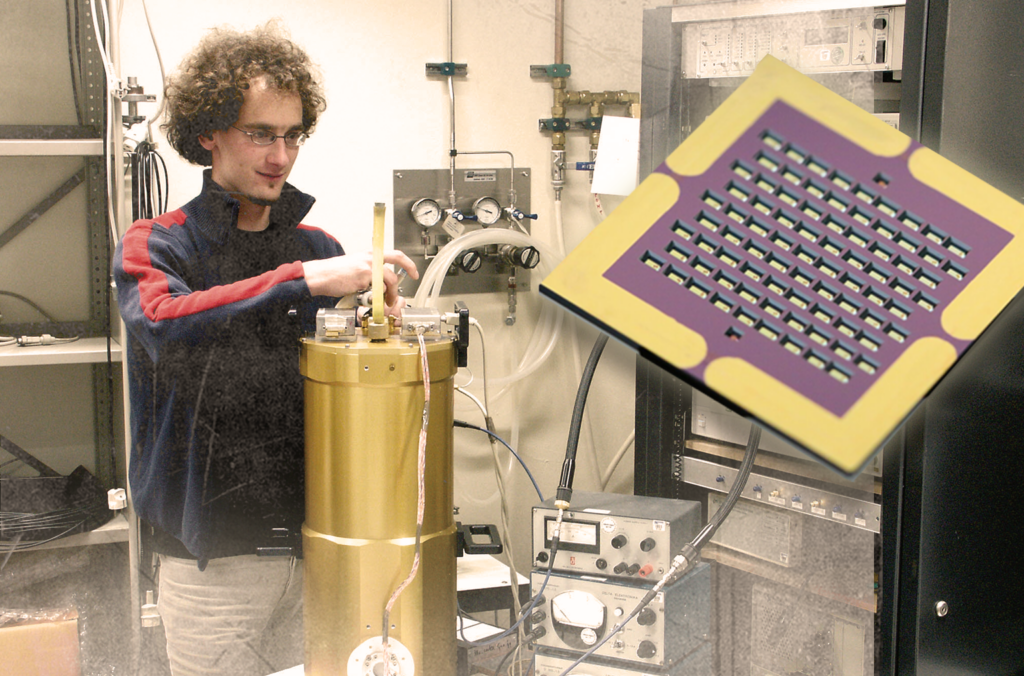
Over the past 20 years, the Kinetic Inductance Detector has been developed in the Netherlands from a microwave detection experiment into broadband measurement technology for regions of the electromagnetic spectrum that are difficult to measure: between optical and far-infrared. KIDs can detect the weakest and oldest imaginable signals from the universe and will be used in future flagship missions. They can produce panoramic images using large arrays and, when used as spectrometers, can also produce very wideband spectra. Take a look at the specifications on SRON.nl. https://www.sron.nl/pijlers/technologie/

Read more

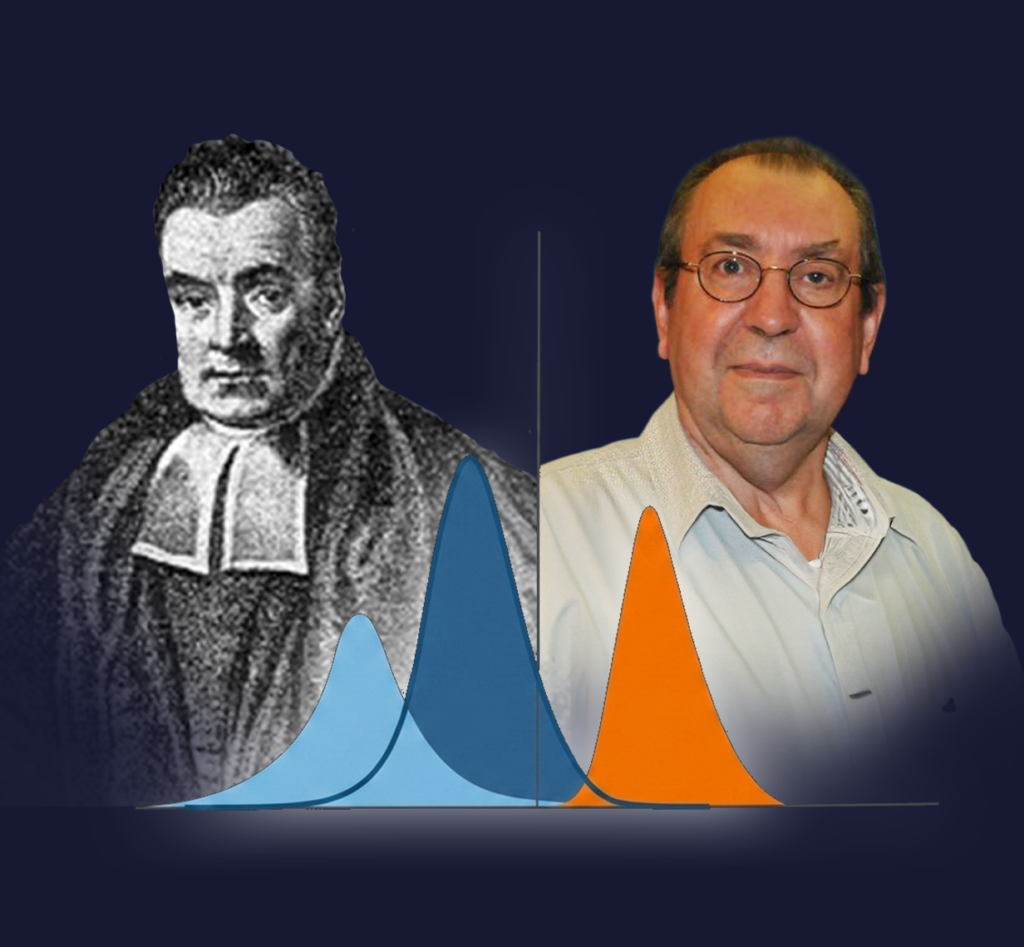
Million downloads for BayesicFitting

Software developed at SRON in the 1990s for explanatory calculations in space research has proved to be of enduring value to the wider scientific community. The method, based on the mathematical work of the 18th-century mathematician Thomas Bayes, is now also an essential component of the software for the James Webb Space Telescope (JWST).

SRON Open Days September 26th and October 4th 2026

Who’s ready to step into the world of space research at the Space Research Organisation Netherlands (SRON) this autumn? Save these dates in your diary!

We’re opening up our labs during NL Space Week 2026. On Saturday September 26th in Leiden, and on Sunday October 4th (which is also Weekend van de Wetenschap and Zpannend Zernike sciencefestival) in Groningen.


De nieuwsgierige SRON-mascotte Sam Space kijkt naar een planeet en een telescoop in de ruimte