


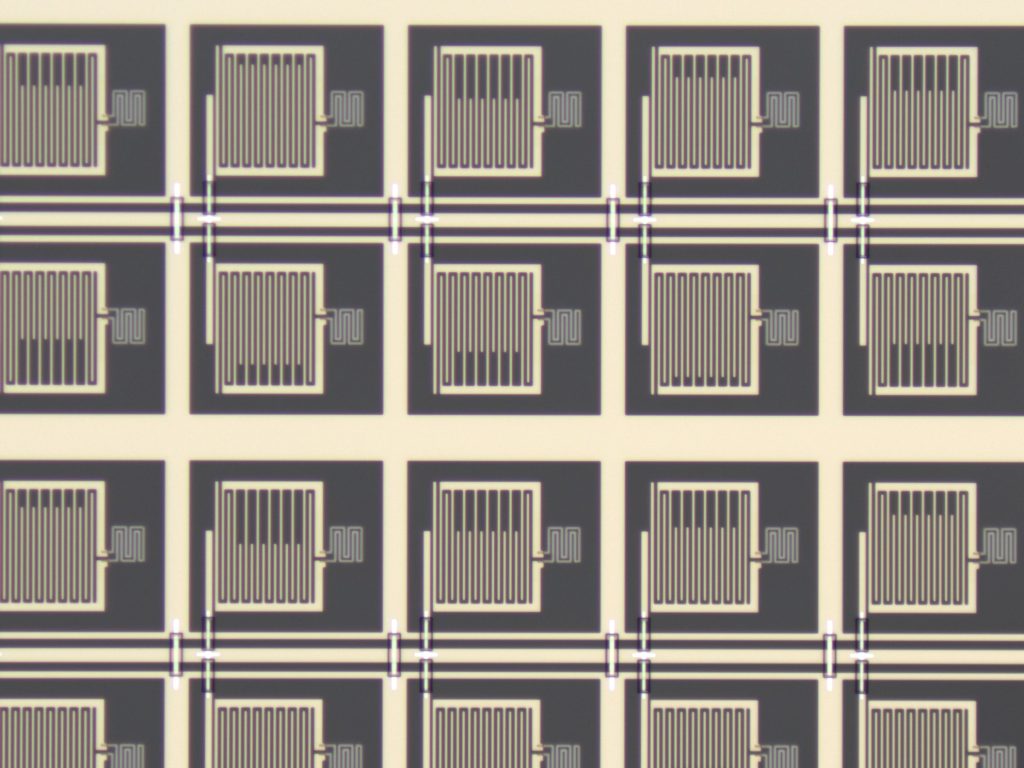
Scientists at SRON Netherlands Institute for Space Research are developing a detection technique (TES) that measures the energy of individual photons, for example in X-rays from the distant universe. Until now, it was assumed that the wiring on the detector chip brings along an inherent whimsicality in accuracy. The research team has now discovered that there is room for improvement after all. Publication in Physical Review Applied.
Month: October 2021
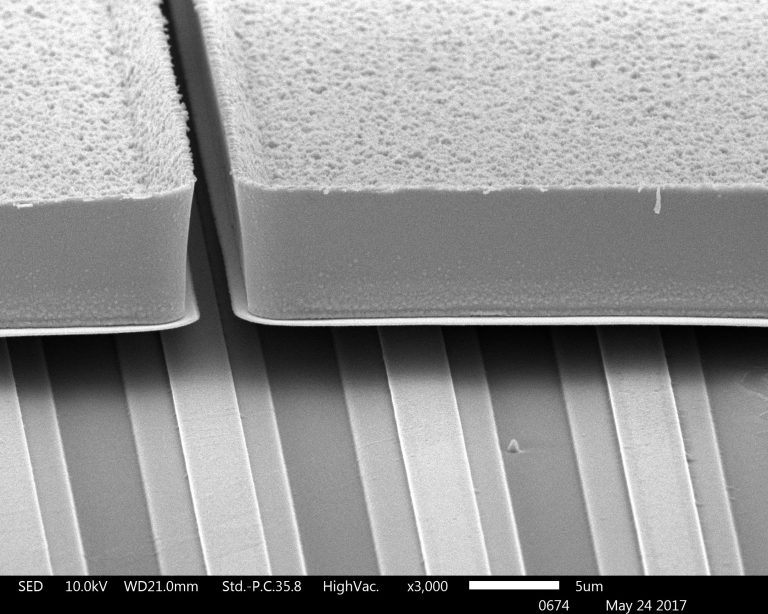
Electron pairs remain stable above superconducting temperature
Scientists have discovered that electron pairs can stay together even when the superconducting state has collapsed. They observed the phenomenon in titanium nitride until up to double the critical temperature. In conventional superconductors, electron pairs and superconductivity go hand in hand. Titanium nitride is used for its superconductive properties in space research for detecting exoplanets. Publication in Science on 29 October.
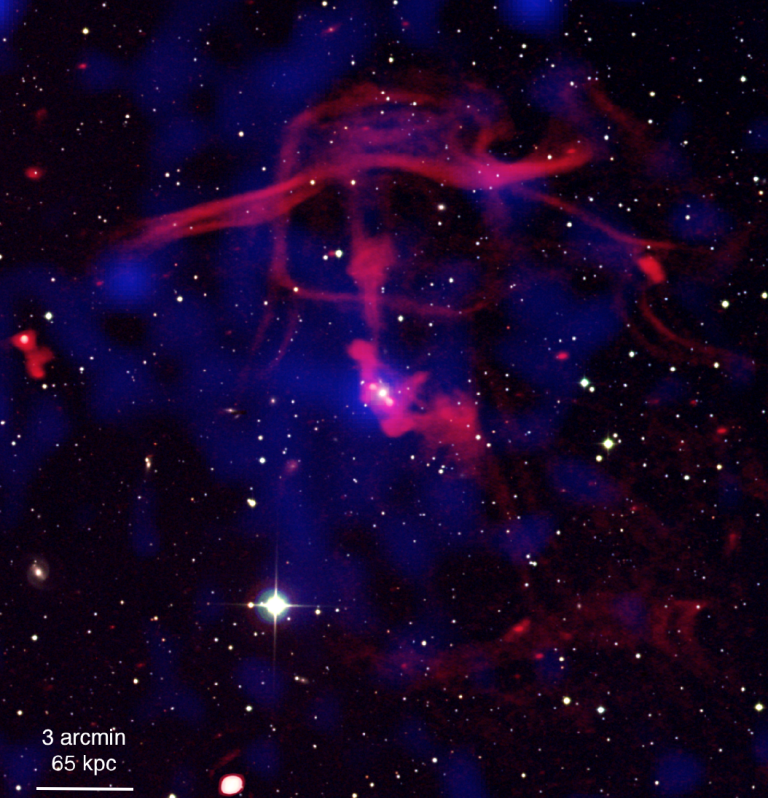
Black holes blow monumental bubbles spanning hundreds of thousands of lightyears
An international team of researchers, including astronomers from ASTRON, SRON and Leiden University has for the first time observed the full extent of the evolution of hot gas produced by an active black hole. Eventually this hot gas encompasses a much larger area than previously thought and impacts objects residing at great distances. Publication in Nature Astronomy.