


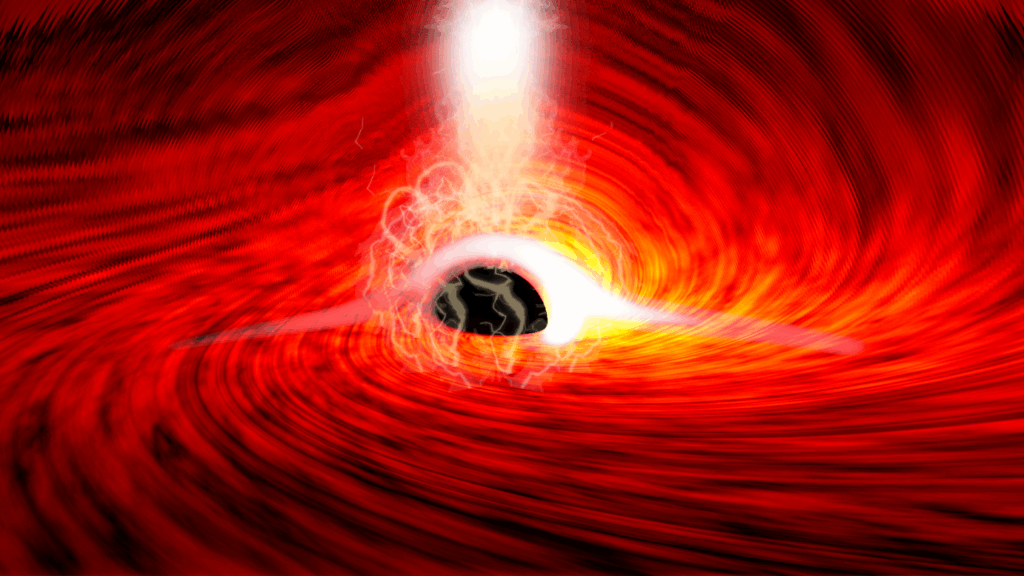
An international team of astronomers, including Elisa Costantini (SRON), has for the first time observed light from the far side of a black hole. Initially this light, in the form of X-rays, is emitted by a corona surrounding the black hole. A series of strong X-ray flashes from the front was followed by a series of weaker flashes, which the researchers determined are from the back side and reflected off the black hole’s accretion disk. Publication in Nature.
Month: July 2021
UvA appoints Michael Wise as professor by special appointment of Observational High-Energy Astrophysics
Dr. Michael Wise is appointed as professor by special appointment of Observational High-Energy Astrophysics, in particular Black Hole Feedback, at the Faculty of Science at the University of Amsterdam (UvA). The chair was established on behalf of the Stichting Het Jan van Paradijs Fonds. Wise will combine the professorship by special appointment with his work as the general and scientific director of SRON, the Netherlands Institute for Space Research.

New method to measure loss of signal in far-infrared instruments
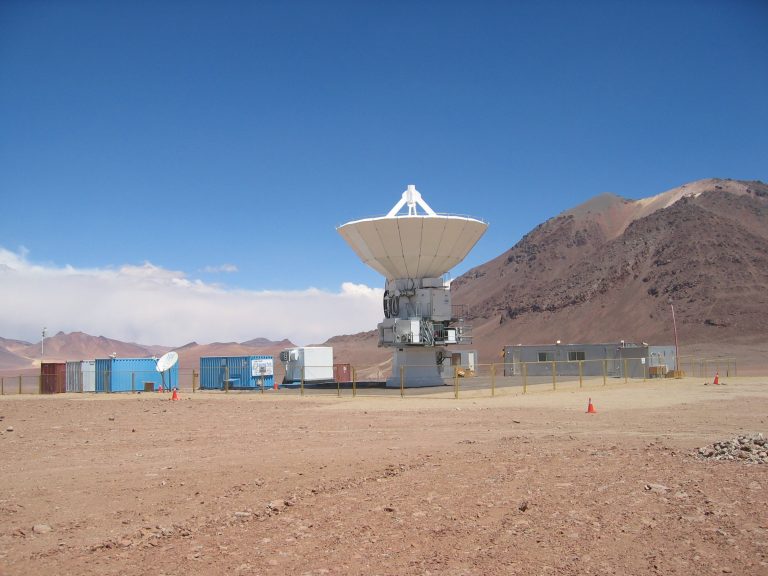
After carefully observing dim objects in the night sky, you don’t want to waste any precious signal on its way from the telescope dish to the detector. But in the case of far-infrared astronomy, it’s not as easy as it sounds to transport the signal efficiently. In fact, it’s even an endeavor to measure the exact amount of signal that gets lost. Scientists from SRON and TU Delft have now found a new, easier way to determine the signal loss. In the process they designed a signal-carrying microstrip for the DESHIMA-2 instrument that loses only 1 in 4,900 photons. Publication in Physical Review Applied.
Astronomers map interstellar dust grains in Milky Way
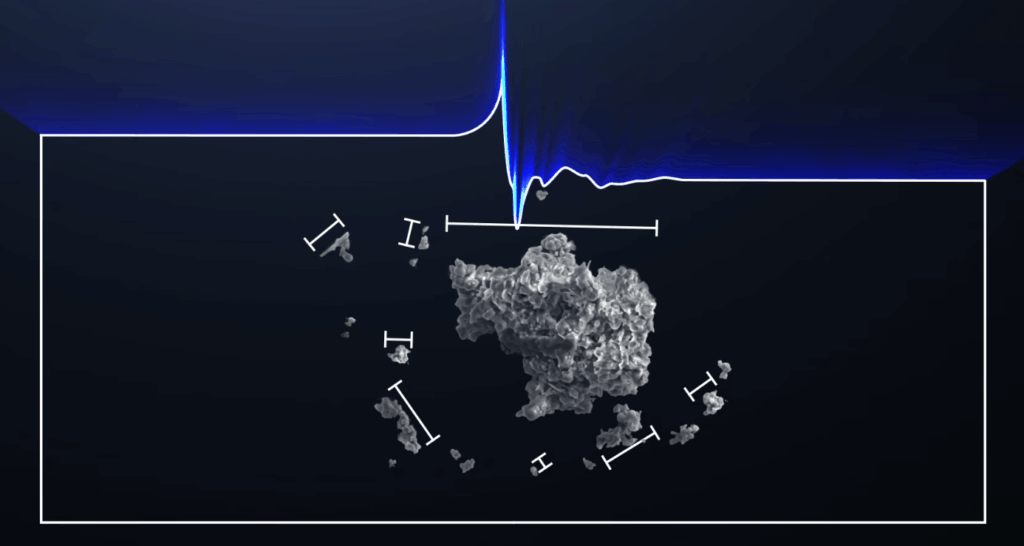
Between the stars in our Milky Way, vast amounts of tiny dust grains are floating aimlessly around. They form the building blocks of new stars and planets. But we still don’t know what elements exactly are available to form planets like Earth. A research team at SRON led by Elisa Costantini has now matched observations from X-ray telescopes with data from synchrotron facilities to create a map of interstellar grains in the Milky Way.