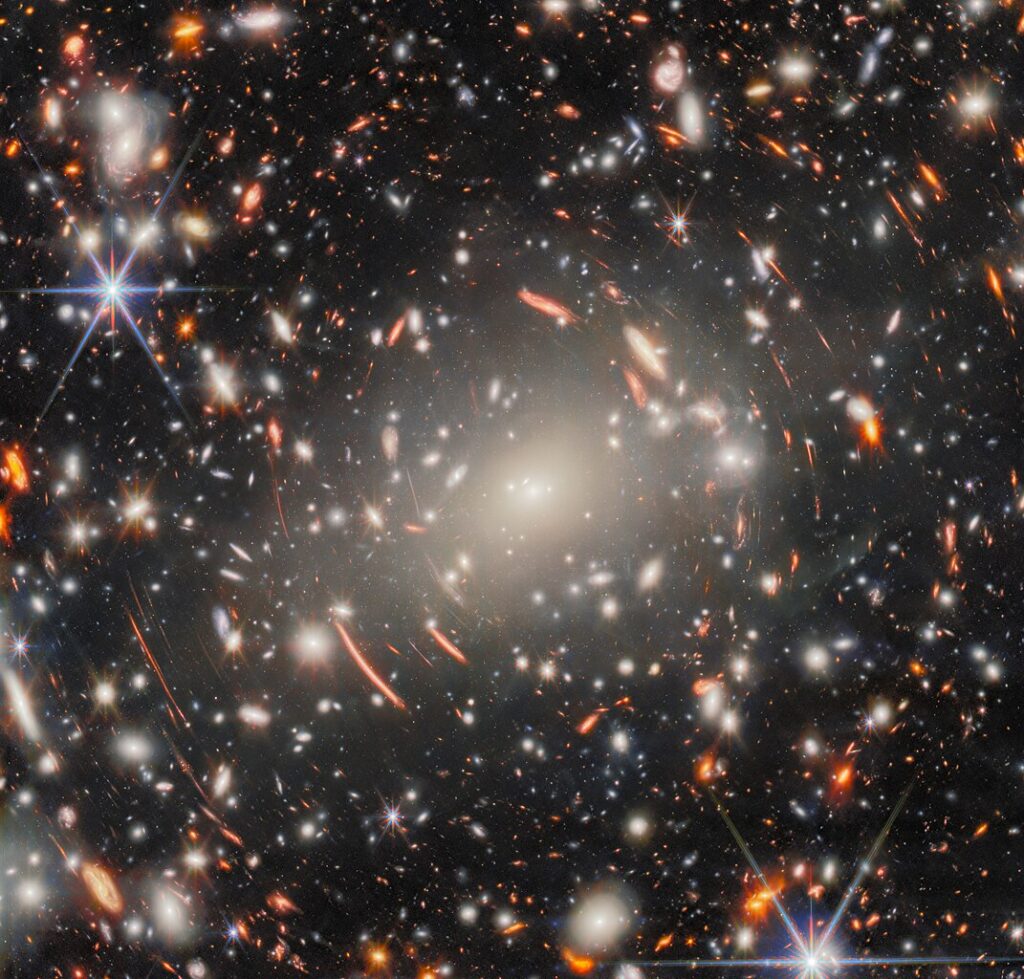



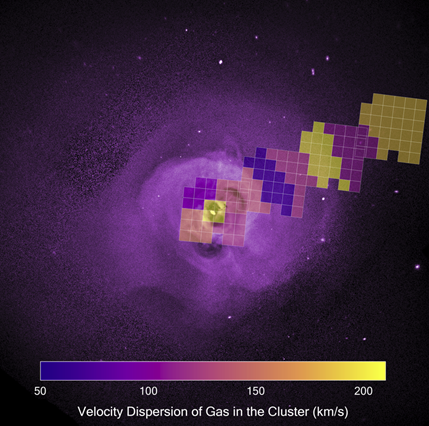
The XRISM telescope has mapped the gas turbulence inside the Perseus galaxy cluster for the first time. Gas flows turn out to have higher speeds at the centre and the outskirts, with less turbulence in between. These findings indicate that the supermassive black hole at the centre may play a crucial role in keeping the cluster at millions of degrees, preventing the gas from cooling enough to form new stars. The XRISM team, including SRON astronomers, publish their results in
Month: January 2026
SPEXone team highlights uncertainties of aerosols and clouds within climate models
Aerosols have a net cooling effect on the climate, but to what extent is highly uncertain in climate models. The Dutch SPEXone instrument on NASA’s PACE satellite is gathering data to decrease this uncertainty. SRON’s SPEXone team has now calculated the cooling effect for millions of possible scenarios using machine-learning.

New design turns reflective aluminium into an absorber to observe the first galaxies
Researchers from SRON and TU Delft have designed a shape for aluminium that turns it from a shiny metal into a black absorber of far-infrared light. ‘This was the final hurdle in the development of KID detectors for NASA’s candidate mission PRIMA.’ Publication in IEEE.