


Month: November 2025
Chip-Style Flat Lens Overcomes Scalability Hurdle for Far-Infrared Space Cameras
Researchers at SRON and TU Delft have made bolometer detectors using flat lenses on a silicon wafer, solving a major bottleneck in building large cameras. Bolometers form the heart of far-infrared spectrometers that can distinguish colors up to one-millionth of their wavelength. This is needed to observe astrophysical processes such as the birth of stars and galaxies from gas and dust clouds.

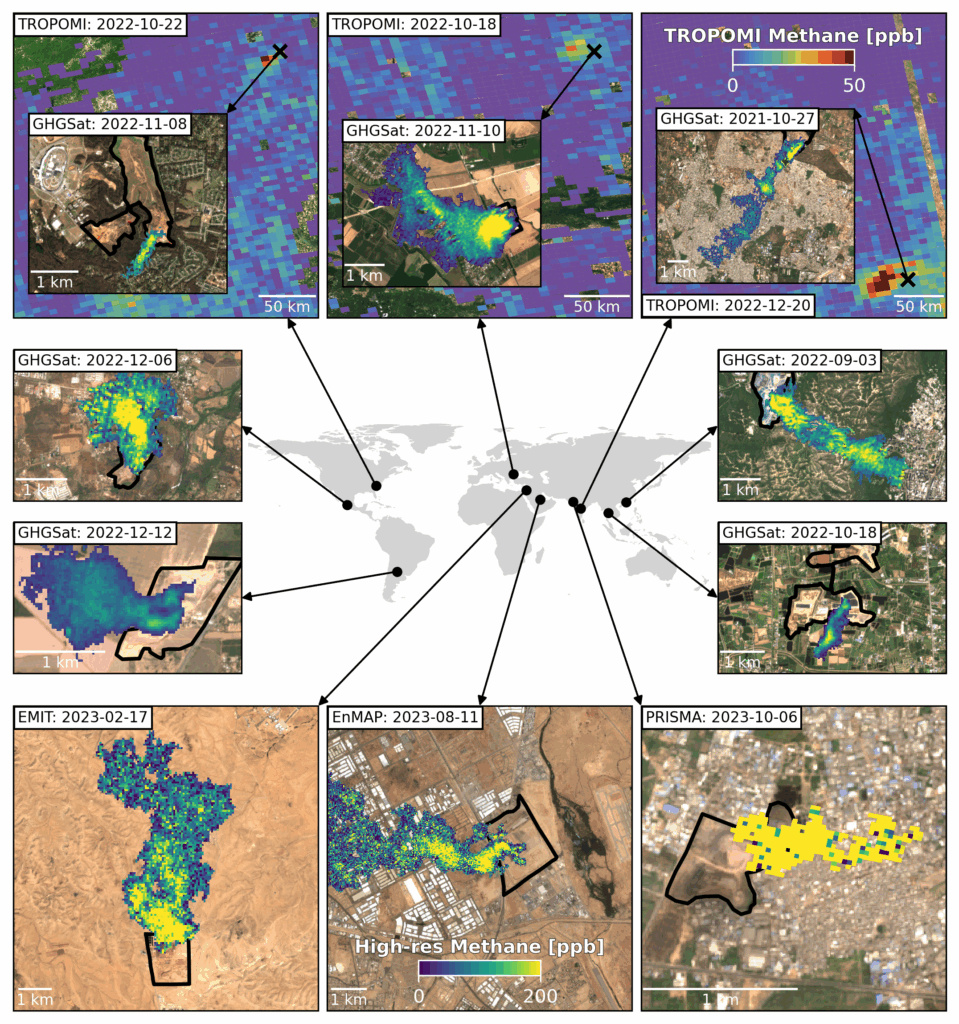
Global satellite survey supports improved waste methane emission estimation and mitigation
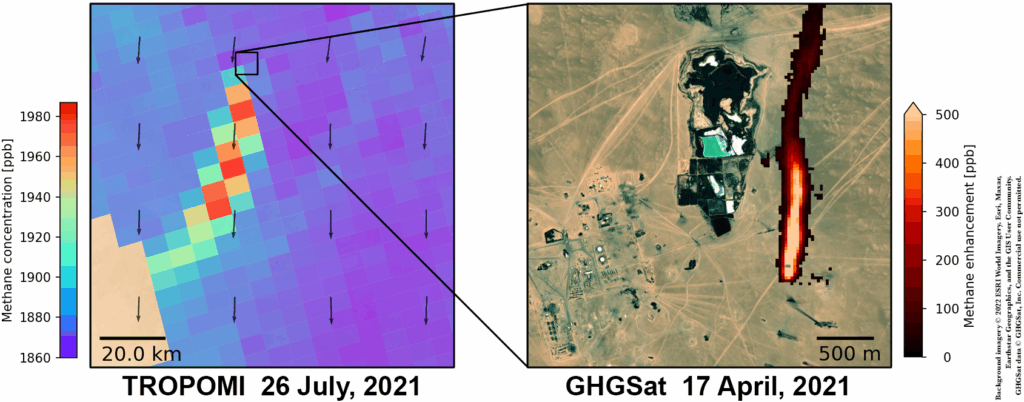
In a Nature publication, SRON researchers teamed up with GHGSat for a global scale survey of methane emissions from more than 150 landfills. They reveal discrepancies between reported inventories and satellite estimates, and also show that satellites can uncover large emitters and pinpoint the exact locations of methane leaks on landfills, thus supporting mitigation efforts.