


SRON-astronomer Matus Rybak receives a Vidi grant from NWO to observe cyanides in galaxies from the early Universe. This will help us understand how the relatively fast formation of the first generation of stars was fueled. The grant enables Rybak to take one PhD student with him to Leiden, where he will conduct the research.
Month: October 2025

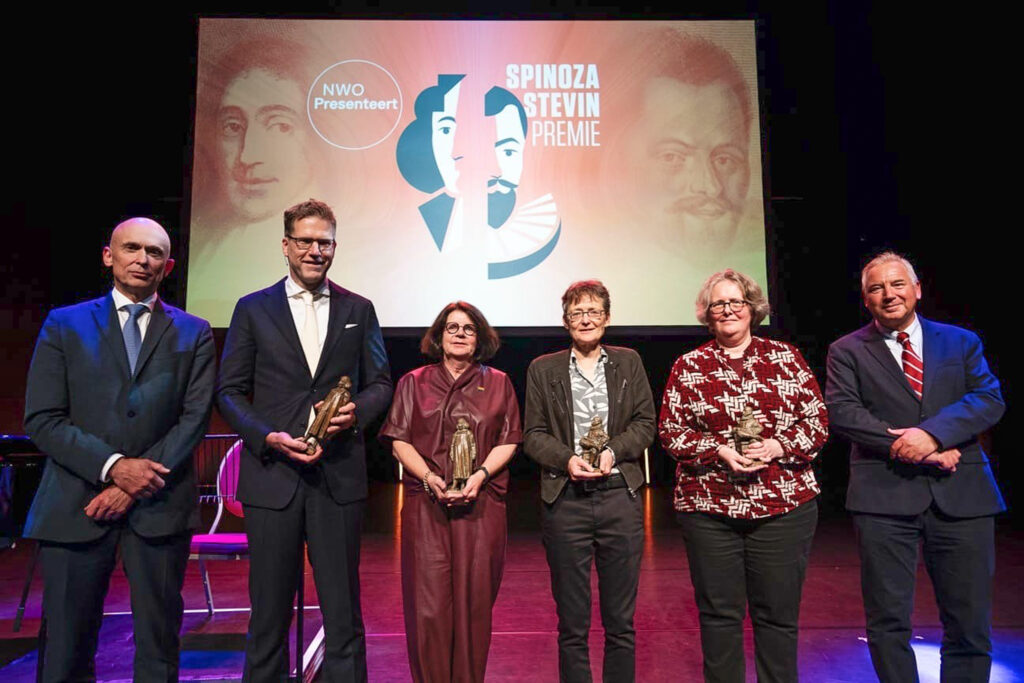
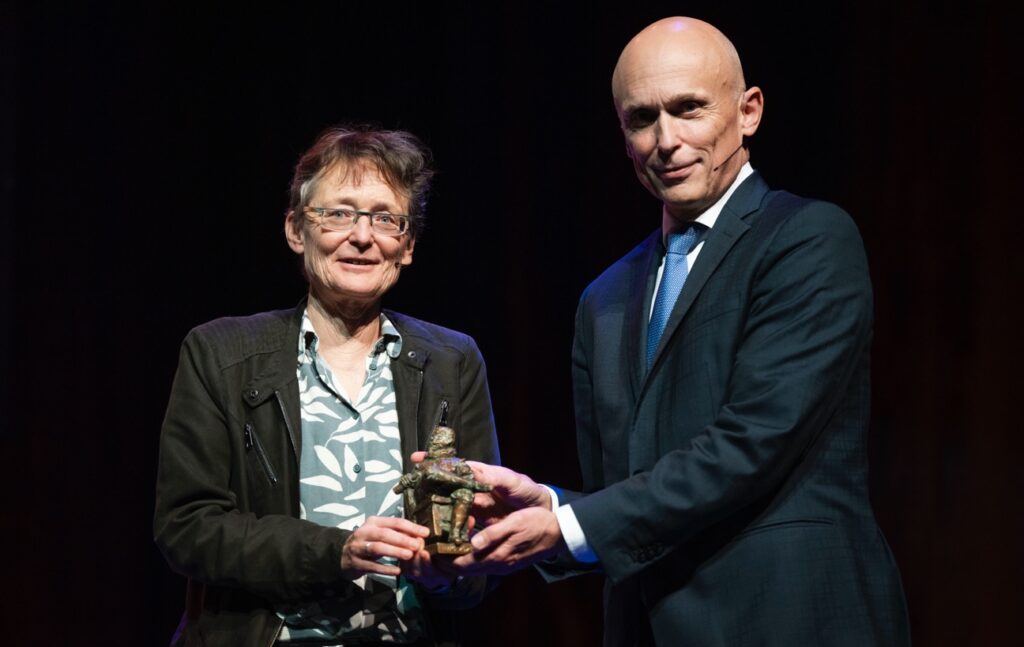
Stevin Prize awarded to Ilse Aben by OCW Director General
On October 14th, OCW Director General Feite Hofman has awarded the NWO Stevin Prize to SRON researcher Ilse Aben in the Royal Theatre in The Hague. Aben deserves the award for the societal impact she has achieved with the Dutch space instrument TROPOMI. At SRON, Aben leads the TROPOMI team that weekly publishes a world map of major methane leaks. These leaks have a combined climate impact twice as large as the total greenhouse gas emissions of The Netherlands. Projects by the United Nations and the European Union, among others, use this data to close the leaks through diplomatic channels. The Stevin Prize is the highest Dutch award for the application of knowledge for society and amounts to 1.5 million euros for research.
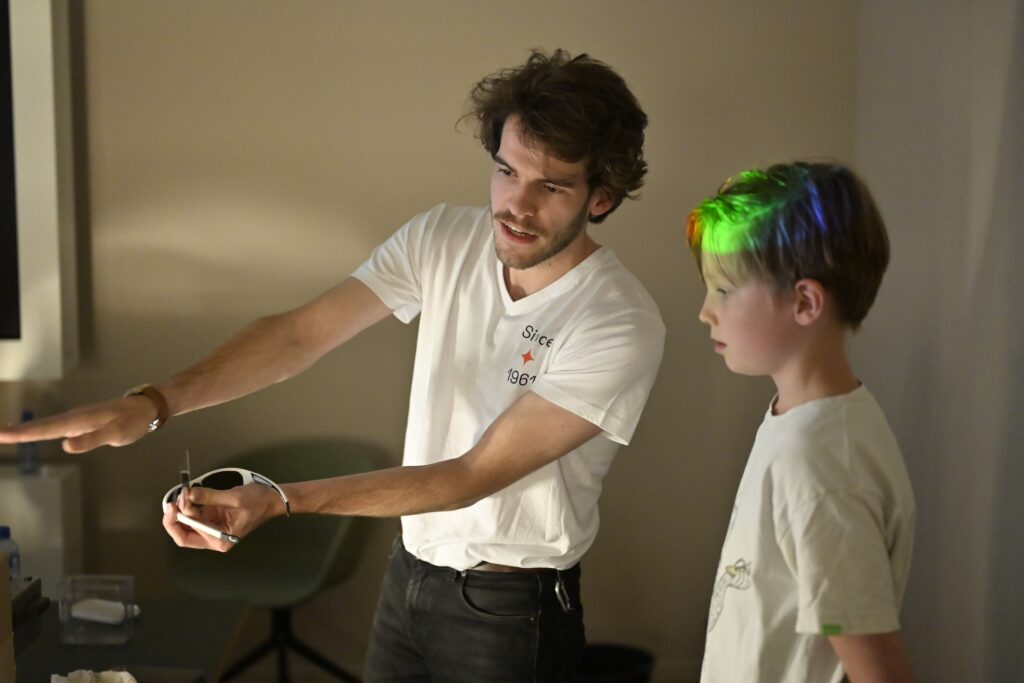
‘Very impressive, I didn’t know we had all this here,’ ‘I learned a lot today,’ and ‘Great fun, we’d love to come back next year.’ These are just a few of the many enthusiastic comments from people who visited our laboratories in Groningen and Leiden during NL Space Week.

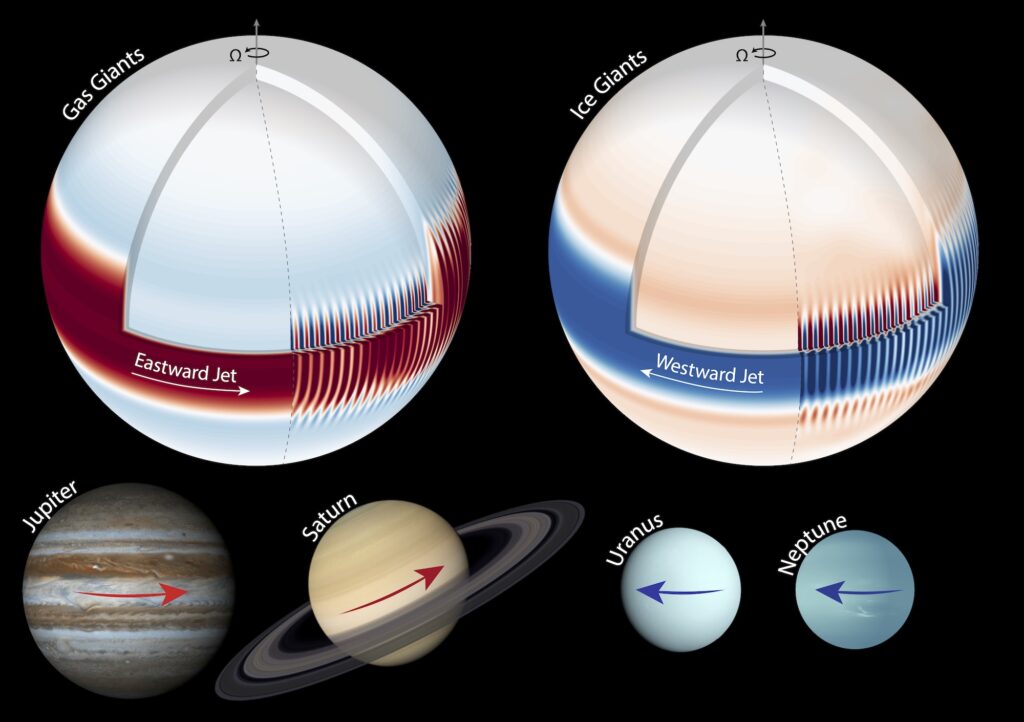
New model explains extreme jet streams on all giant planets
One of the most notable properties of the giant planets in our solar system – Jupiter, Saturn, Uranus and Neptune – are the extreme winds observed around their equators. While some of these planets have eastward equatorial winds, others have a westward jet stream. For the first time an international team of scientists led by Leiden Observatory and SRON, can explain the winds on all the giant planets using one model.
SRON starts collaboration with the World Bank’s Global Flaring and Methane Reduction Partnership
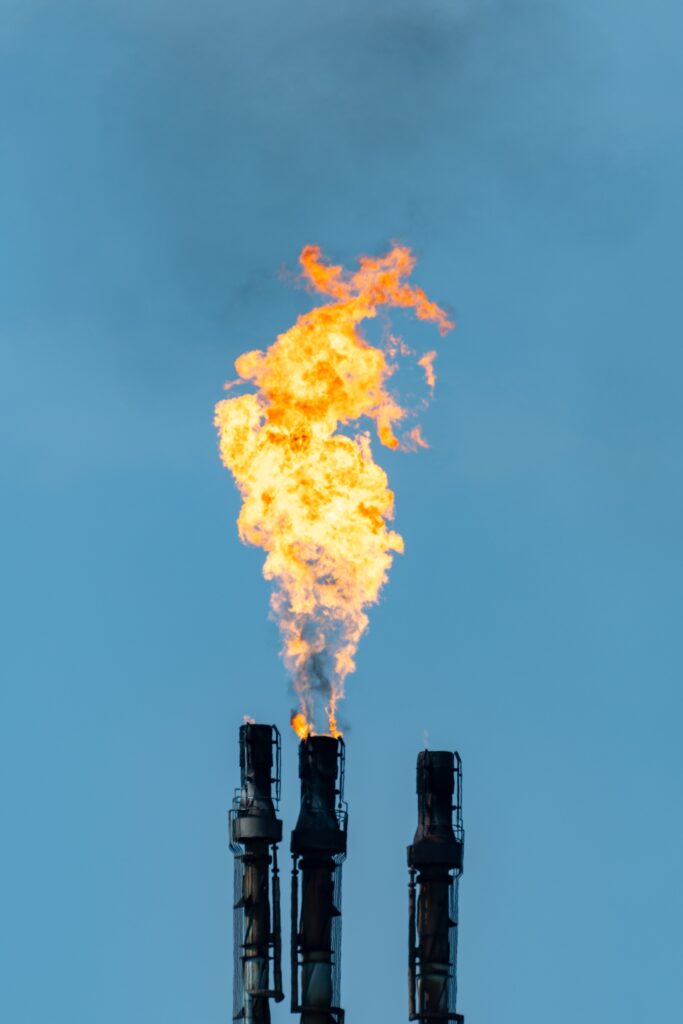
SRON has started a collaboration with the World Bank’s Global Flaring and Methane Reduction (GFMR) Partnership to help curb global methane emissions. Using satellites, the team will detect methane emissions from unlit flare installations. The project will provide actionable data to enable mitigation of emissions from the oil and gas sector.
SRON and CNES sign Letter of Intent on collaboration
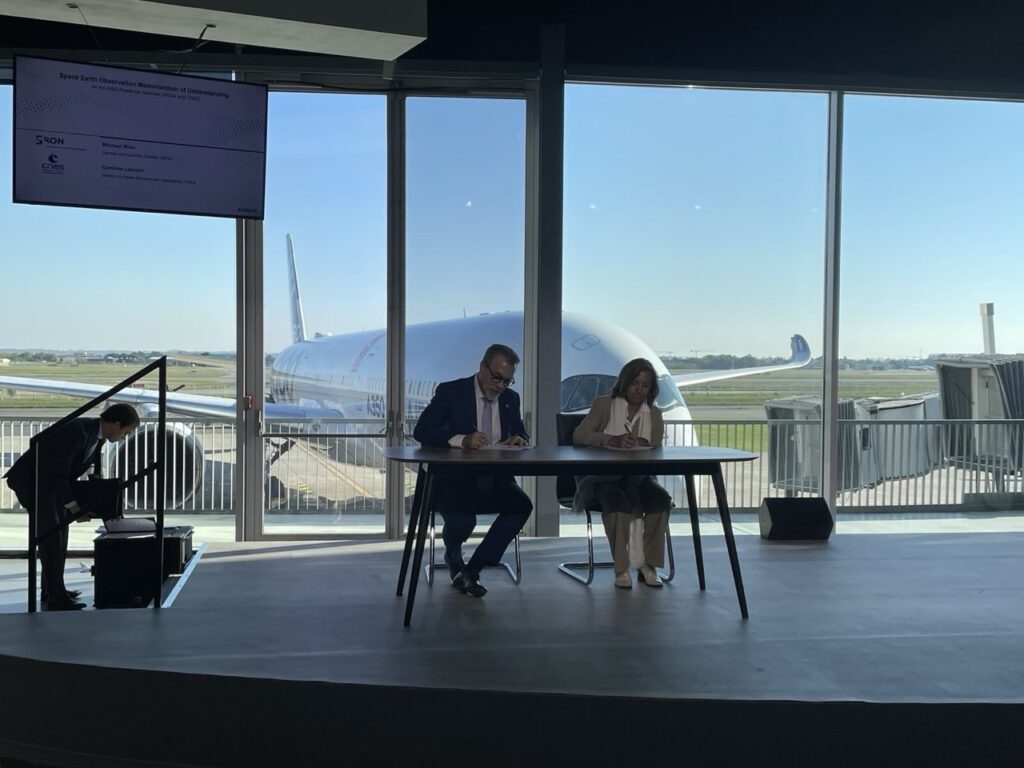
The Dutch and French space research organisations – SRON and CNES – have signed a letter of intent to strengthen their collaboration in areas of common interest. These include earth observation, astrophysics, planetology and technology for space instrumentation. The signing is part of the visit of the Dutch King and Queen to Toulouse within the framework of the Dutch-French Economic Year. Aerospace is identified as one of the common strategic sectors within the bilateral Pact for Innovation and Sustainable Growth.