


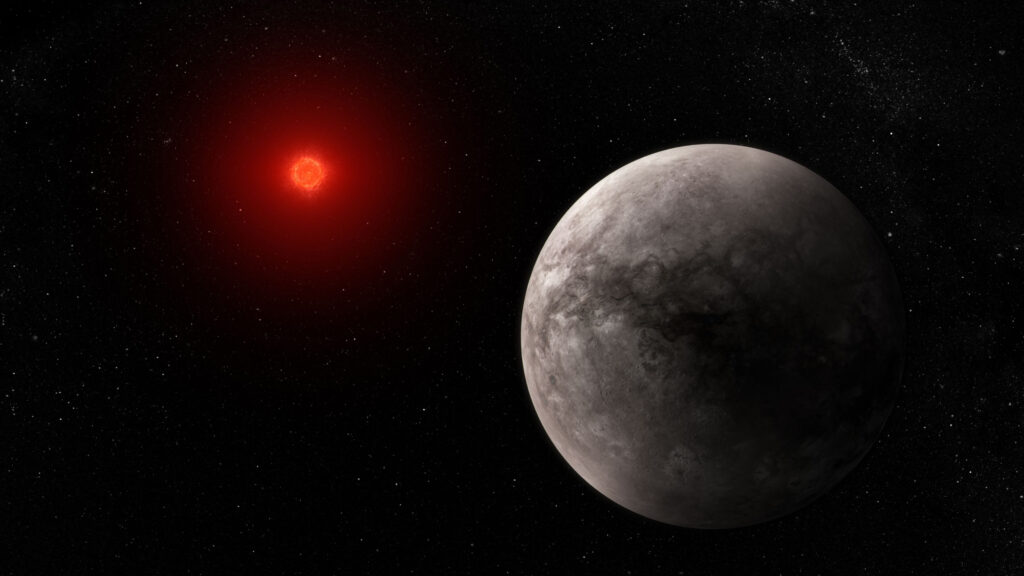
Astronomers have used the James Webb Space Telescope to measure the infrared spectrum of a rocky planet in the auspicious planetary system of TRAPPIST-1. It is what you’d expect from a planet covered in volcanic rock. Another scenario includes an atmosphere full of CO2 and smog. The team, including Michiel Min (SRON), publishes the results in Nature Astronomy.
Month: December 2024
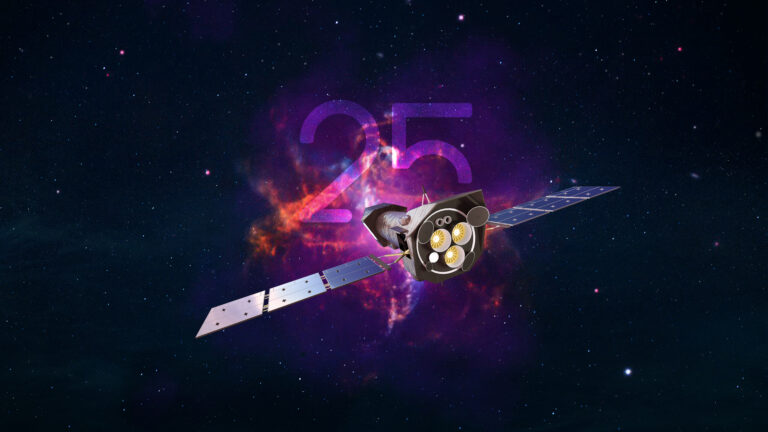
XMM-Newton celebrates 25 years in space
On December 10th, ESA’s X-ray observatory XMM-Newton celebrates 25 years in space. SRON contributed to one of XMM-Newton’s three instruments—the Reflection Grating Spectrometer. From planets to black holes, the space telescope has delivered many ground-breaking observations of a variety of celestial objects. Let’s take a look at four fascinating discoveries from the past five years.
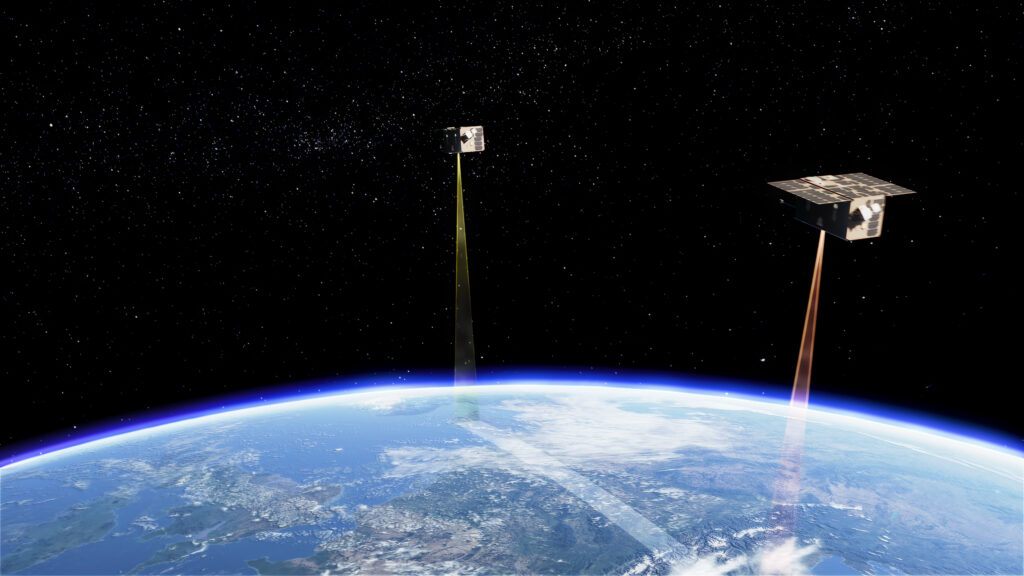
White paper: NL-US collaboration in climate research from space
In oktober 2024 kwamen wetenschappers uit Nederland en de Verenigde Staten bijeen op de Nederlandse ambassade in Washington om hun expertise te delen over broeikasgassen, reactieve gassen, wolken en aerosolen. Deze thema’s zijn belangrijk voor klimaatonderzoek. In een whitepaper formuleren ze acties die antwoord gaan geven op urgente klimaatvragen.