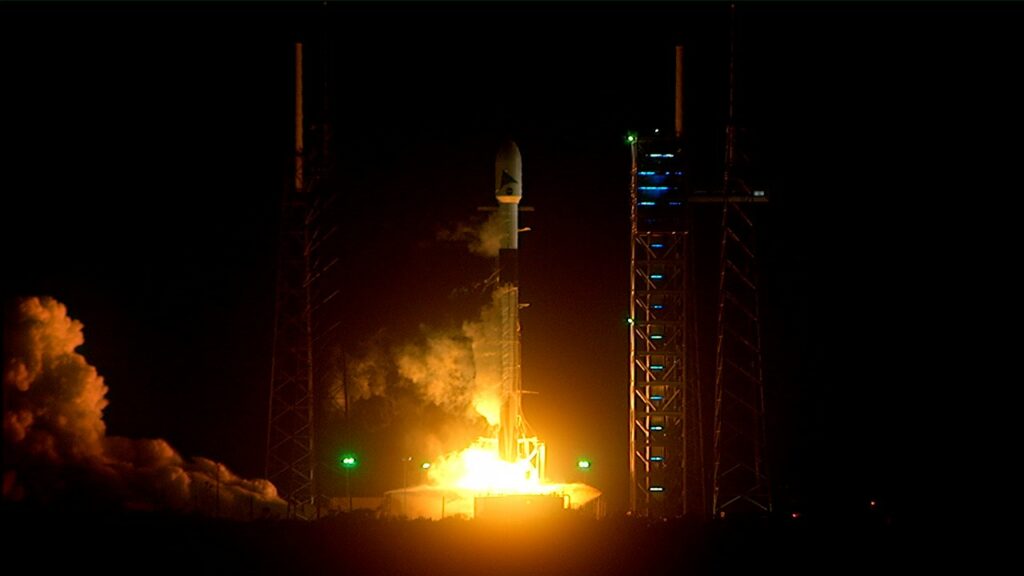



SRON scientists Otto Hasekamp and Bastiaan van Diedenhoven have both received an NWO-GO grant for research on aerosols in the Earth’s atmosphere. They will use data from NASA’s PACE climate satellite, that was launched on February 8th 2024 including the Dutch aerosol instrument SPEXone onboard.
Month: February 2024
ESA selects Dutch satellite system for local emission monitoring
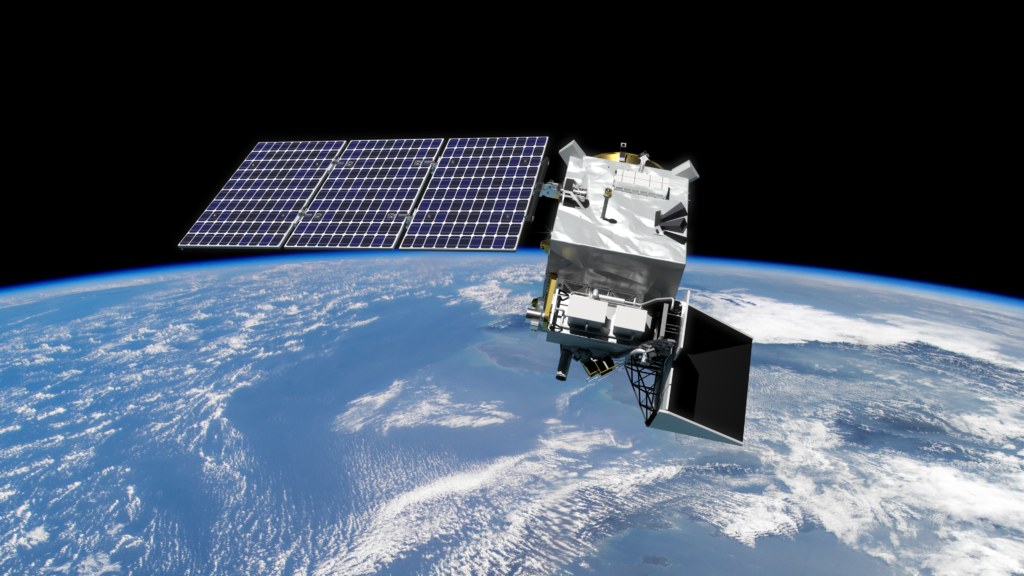
The European Space Agency (ESA) has given the green light for the realization of the Dutch TANGO satellites. TANGO measures greenhouse gas emissions at source level from power plants, coal mines, landfills and factories, among others. Its Dutch predecessor TROPOMI has already been monitoring the greenhouse gas methane worldwide since 2017 and can map about 5% of emission sources. Its successor TANGO will be able to monitor sources responsible for around 75% global emissions of methane. Moreover, TANGO measures emissions of CO2, the gas that accounts for the largest output of greenhouse gas emissions worldwide. The satellites are being developed by the Dutch parties ISISPACE, TNO, SRON and KNMI. TANGO is expected to be ready for launch from early 2027.
NASA launches climate satellite with Dutch aerosol instrument
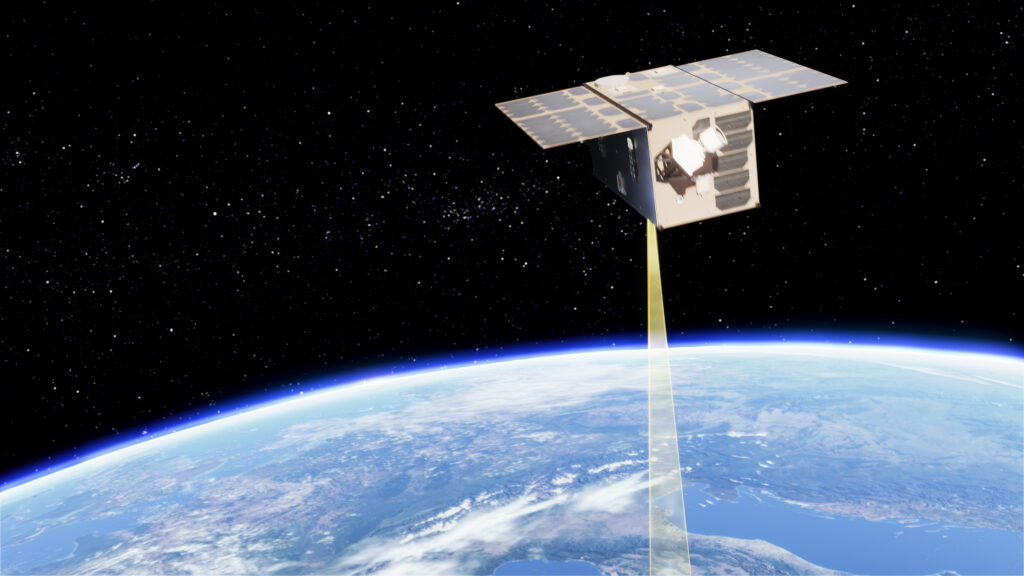
NASA’s climate satellite PACE was successfully launched from Cape Canaveral in the early morning of February 8th 2024. PACE will perform measurements on aerosols, plankton and ocean color. Aerosols are a large unknown factor in climate models. The Dutch instrument SPEXone will change this through measurements of aerosols in the atmosphere. SPEXone was built by SRON and Airbus Netherlands B.V., with support from TNO.