


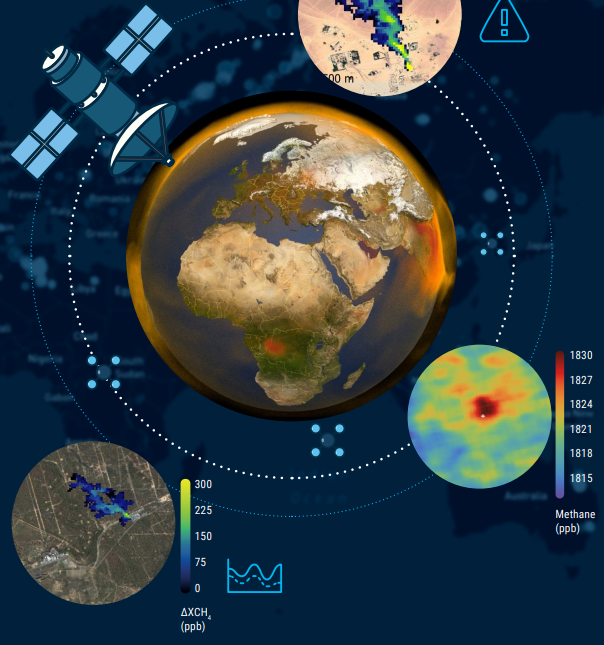
Limiting global warming to 1.5 °C requires steep reductions in methane emissions. This powerful greenhouse gas is responsible for a quarter of human-induced global warming and provides a short-term lever on climate change because it remains in the atmosphere for much less time than CO2. Knowing where the largest methane emissions occur is key to successful mitigation.
Month: November 2022
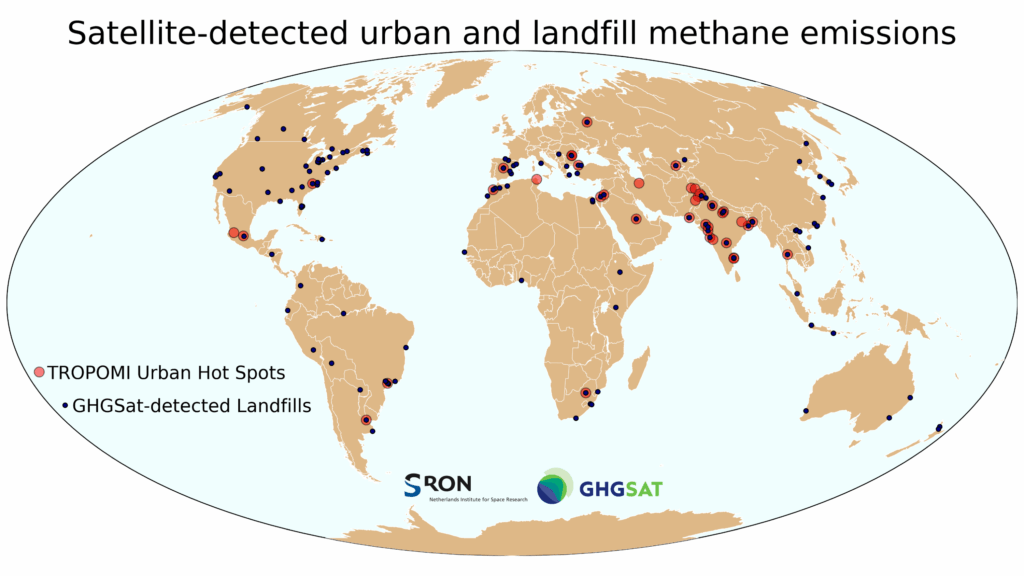
The Global Methane Hub, SRON and GHGSat Launch World-first Project to Map Super-Emitting Landfills Globally
• New initiative to characterize, study and monitor landfills, globally, working with NGOs and local partners on mitigation
• Team presents map at COP27 highlighting 100+ methane-emitting landfills
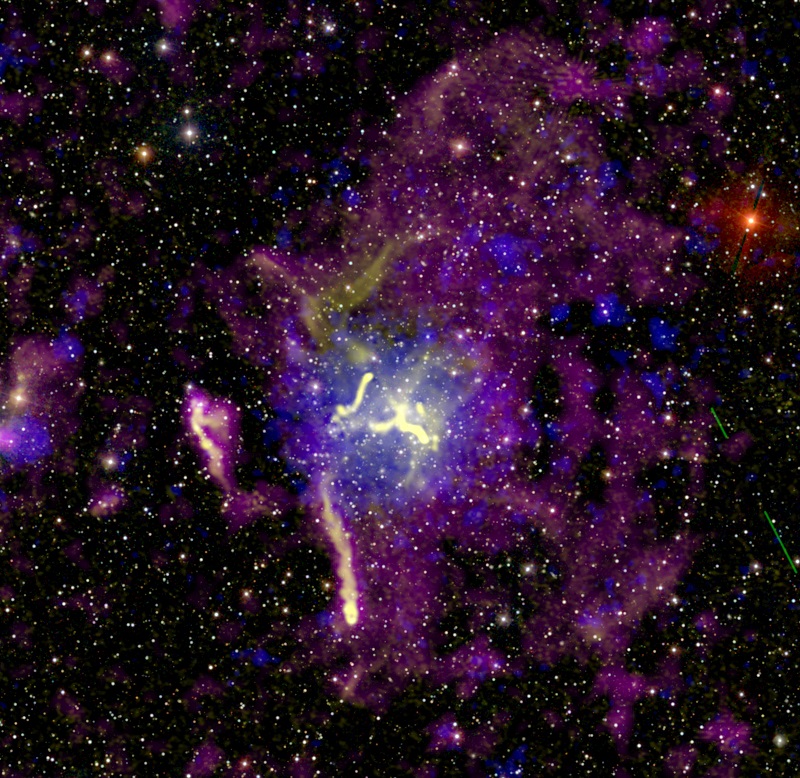
LOFAR antennas unveil giant glow of radio emission surrounding cluster of galaxies
A Dutch-Italian-German team of astronomers, including Hiroki Akamatsu (SRON), has observed a huge glow of radio emission around a cluster of thousands of galaxies. They combined data from thousands of LOFAR antennas that were focused for 18 nights on an area the size of four full moons. This is the first time astronomers have been able to capture radio emission from such a large area for such a long time and in such detail. They publish their findings Wednesday night in the journal Science Advances.