


| Status | Active |
| Launch | 2017 |
| Space organisation | ESA |
| Type | UV / visible / NIR / SWIR (270 – 2385 nm) |
| Orbit | Geocentric (824 km altitude) |
| Instrument with SRON contribution | TROPOMI |
Methane as a powerful greenhouse gas
To comply with the Paris climate agreement and the Global Methane Pledge, it is essential to measure how much and where greenhouse gases are emitted. After CO2, methane is the second largest contributor to climate change. It is a lot less present in the atmosphere, but because it is such a powerful greenhouse gas, it accounts for a third of global warming. Over a hundred years, a ton of methane is about 30 times more powerful than a ton of CO2.

Most methane emissions come from humans
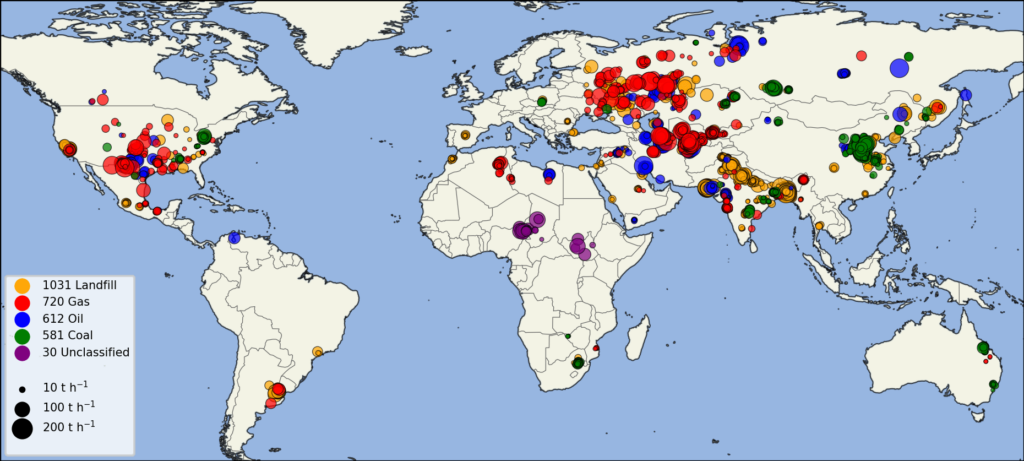
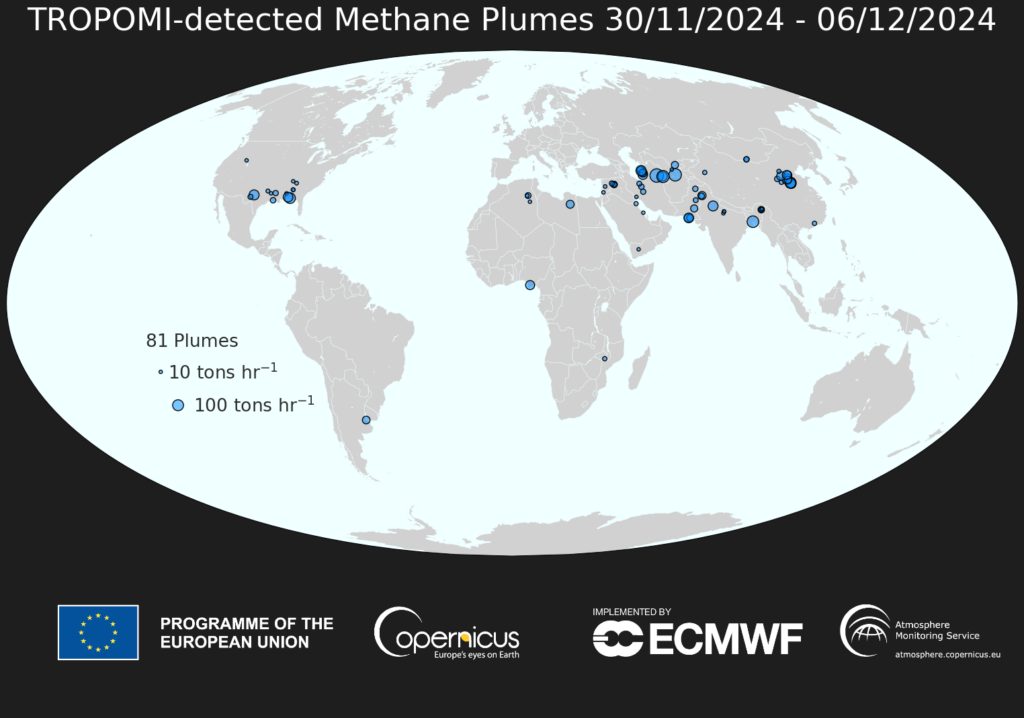
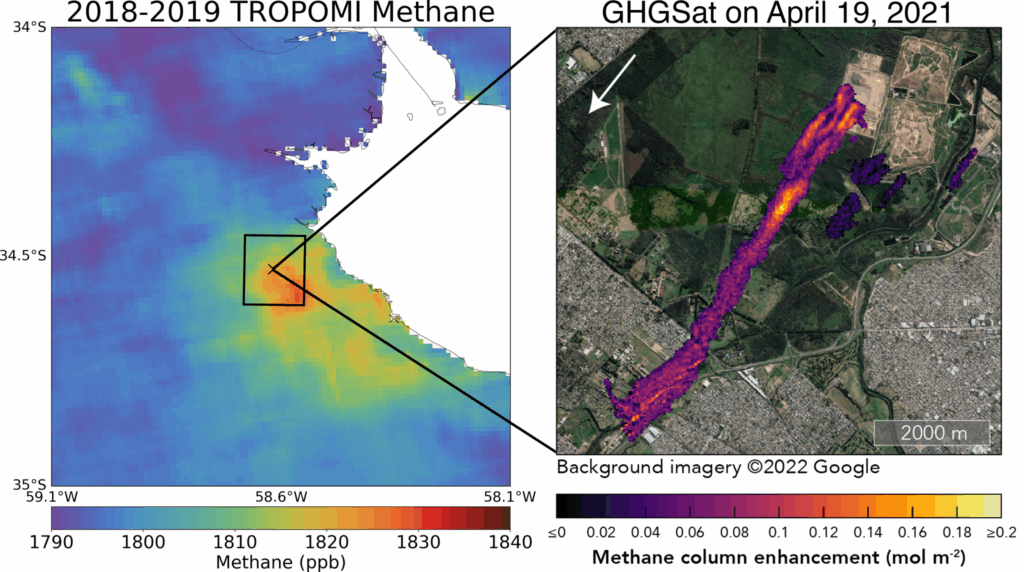
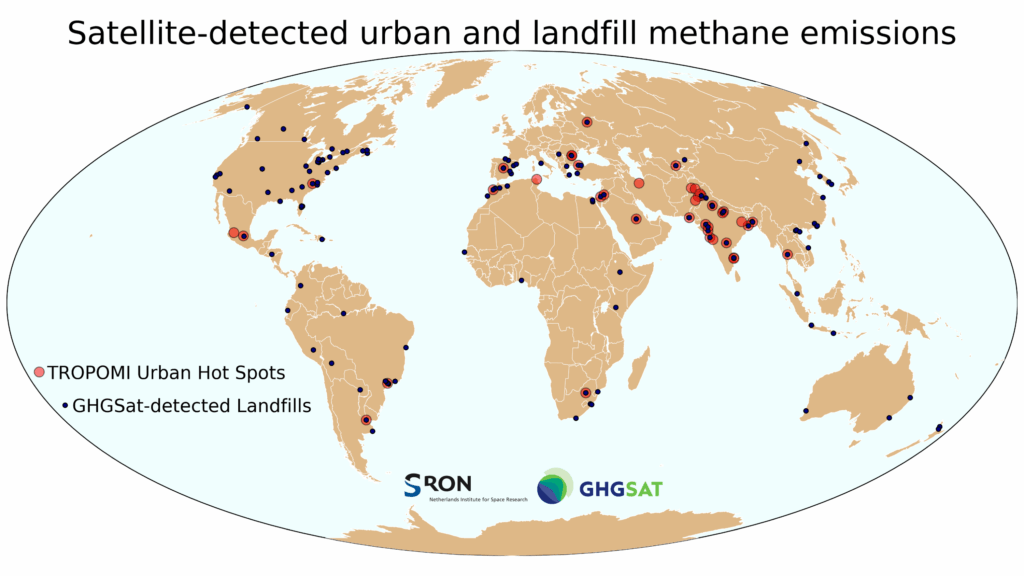
Two-thirds of global methane emissions come from human activity. LINK naar thema methaan). Rubbish dumps, oil and gas plants, coal mines, livestock farming and rice paddies are the biggest culprits. Livestock and rice paddies give off a diffuse haze. But the first three are point sources, visible from space as plumes. These sources often involve leakage or emissions that are mostly easily preventable. Because a methane molecule disappears from the atmosphere after only 10 years on average, the prevention of emissions is quickly reflected in global temperatures.
Fires better mapped
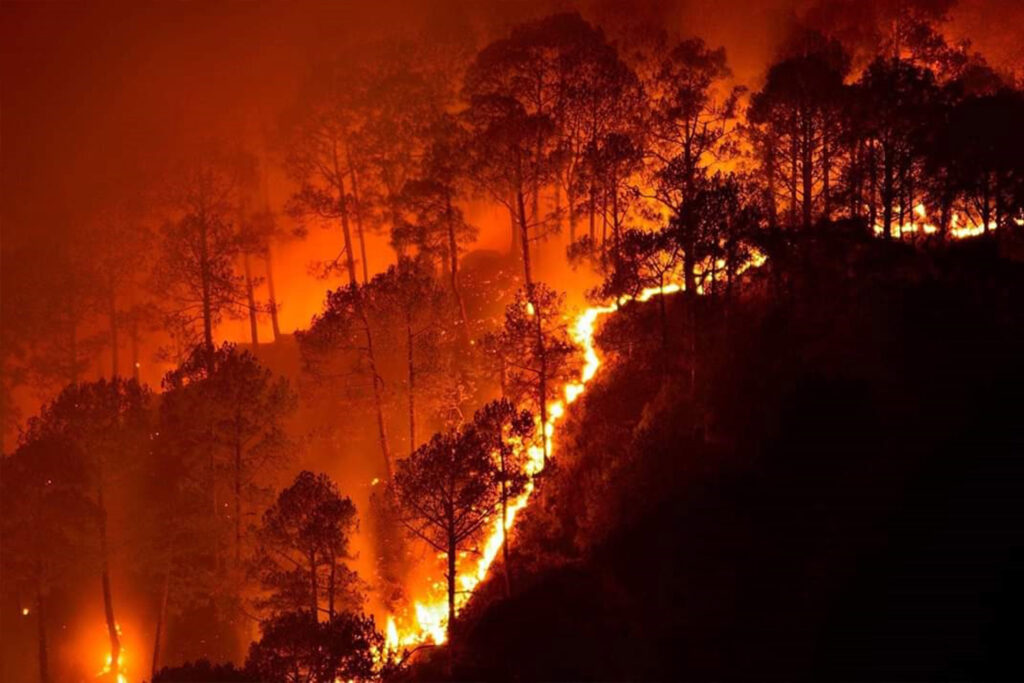
Burning biomass releases pollutant gases such as carbon monoxide. These can be natural fires, but also, for example, burning agricultural residues lit by farmers. We use daily maps of carbon monoxide concentrations when studying the impact on air quality and climate.
Daily global coverage
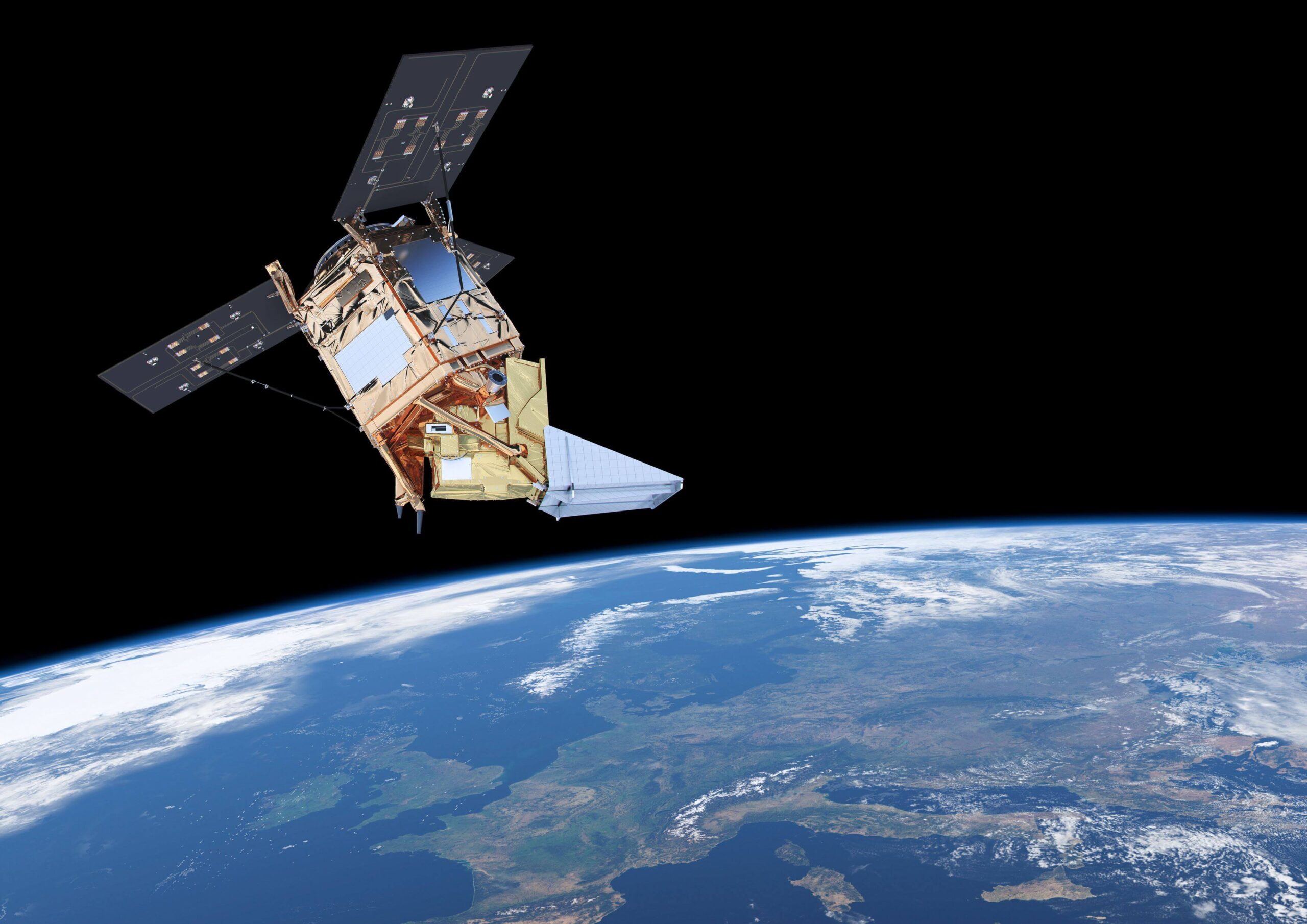
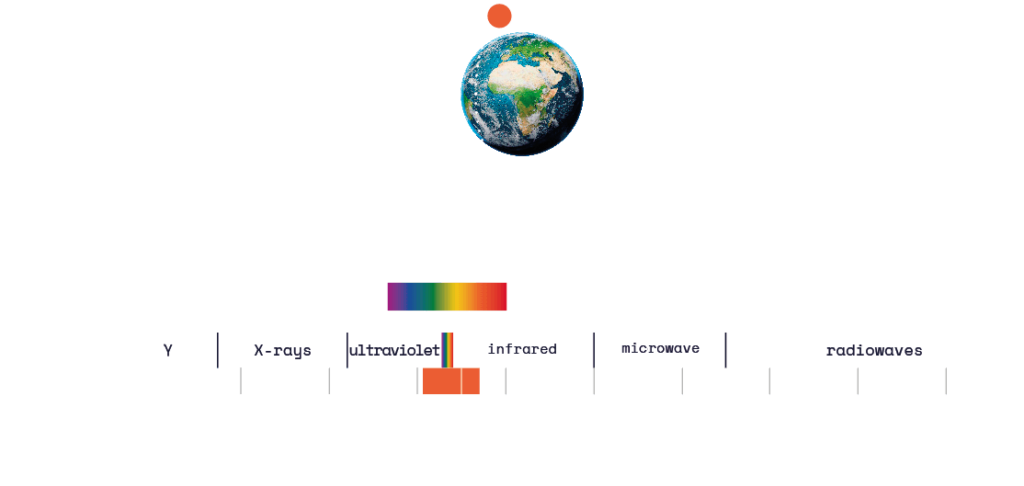
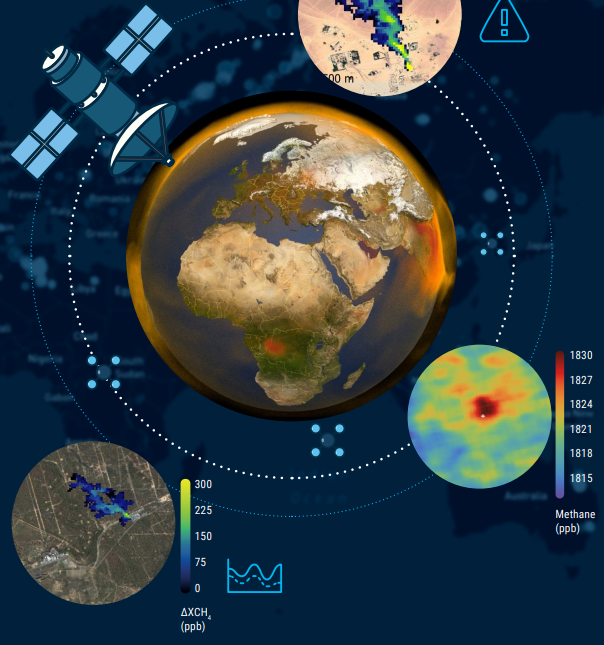
With daily global coverage, the TROPOspheric Monitoring Instrument (TROPOMI) measures a multitude of gases in the atmosphere, including ozone, methane, nitrogen dioxide, sulphur dioxide and carbon monoxide. It measures sunlight that reflects off the Earth’s surface and finds its way to the instrument through the atmosphere. In the process, the gases in the atmosphere leave their fingerprints in the spectrum of sunlight.
Sun in the back
Sentinel-5p flies almost straight over the poles, so it always flies over the same time zone on the day side, namely at noon, with the sun at its back. With its wide field of view of 2,600 kilometres, it scans the entire Earth like a broom as it passes under TROPOMI’s polar orbit. Across that wide broom strip, the instrument records hundreds of pixels measuring 7×5.5 km2 within a second.
Immersed grating
A grating inside the instrument breaks up the incident light into colours to create a spectrum. SRON engineers have made it so compact that it fits inside a prism. Such an ‘immersed grating’ breaks up the colours more strongly than a traditional grating, allowing the instrument to be made more compact. In this case, it is the short-wavelength infrared (SWIR) spectrometer, which measures methane, carbon monoxide and water. SRON is the scientific lead for this.

Relevant news articles
-
-
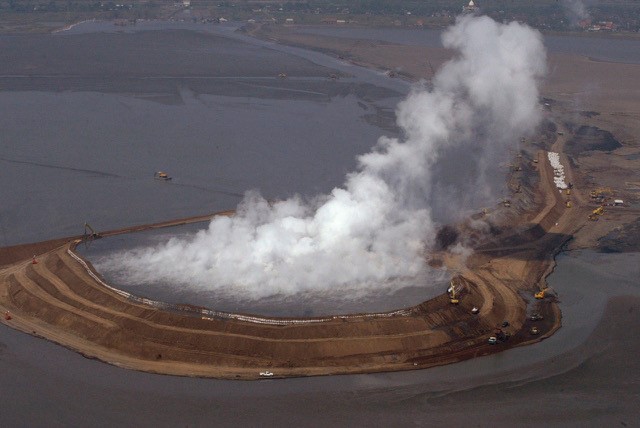
Natural geological methane emissions appear larger than expected
-
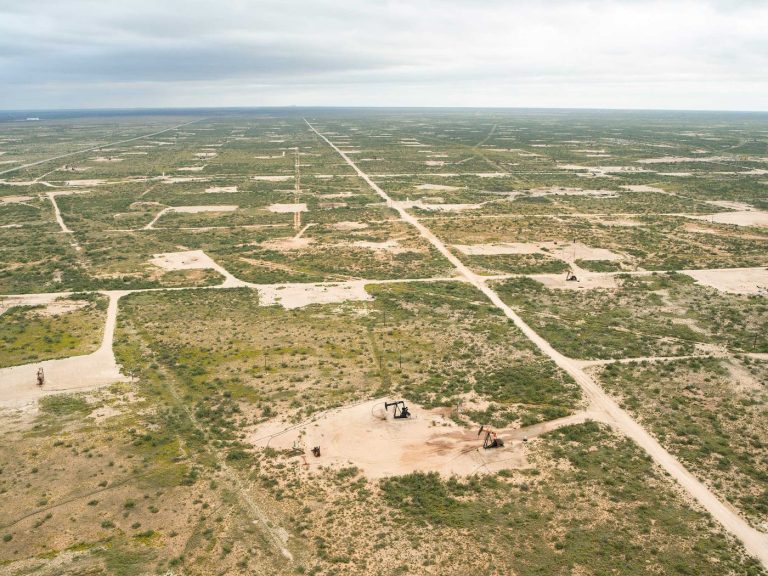
Dozens of strong methane plumes identified in US Permian Basin
-
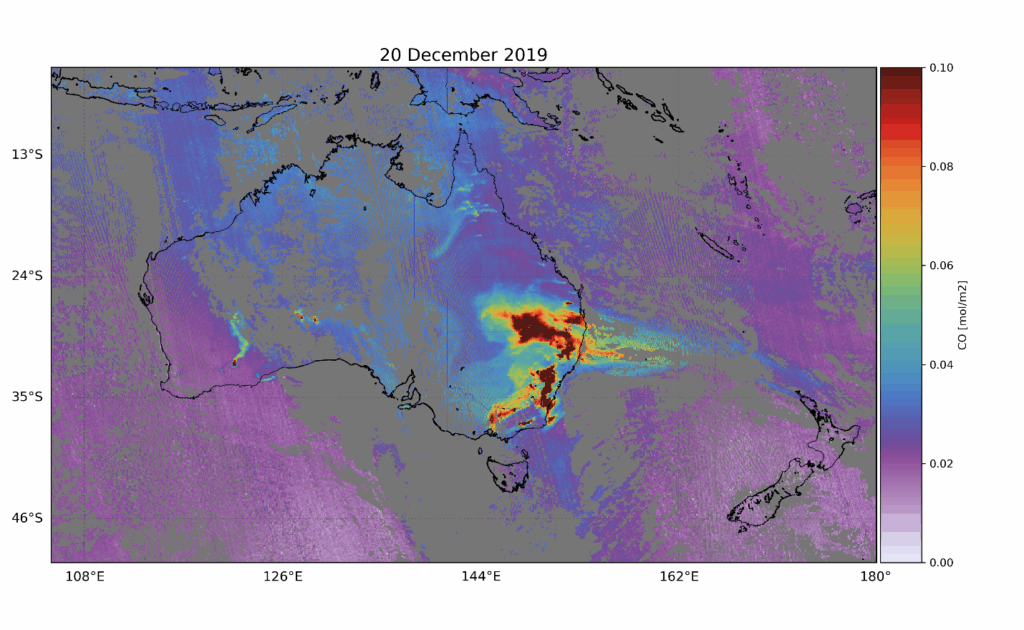
Australian ‘Black Summer’ wildfires produced almost twice as much CO2 as all Australians in a year
-
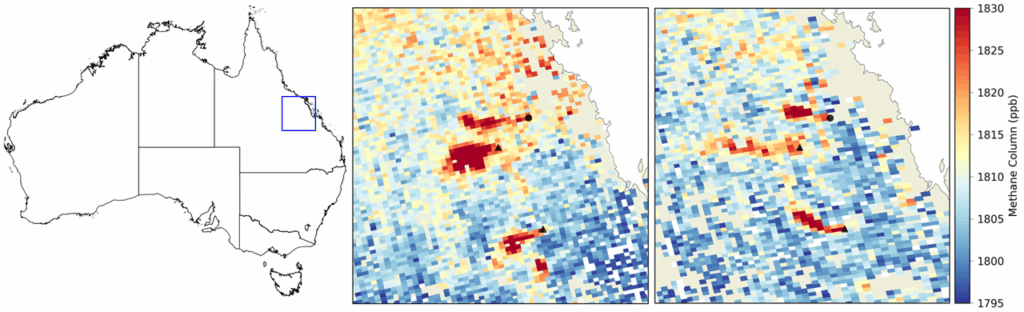
Satellite reveals Australian coal mines emit much more methane than expected based on national reporting
-
Satellites identify inactive flares as big methane emitters
-
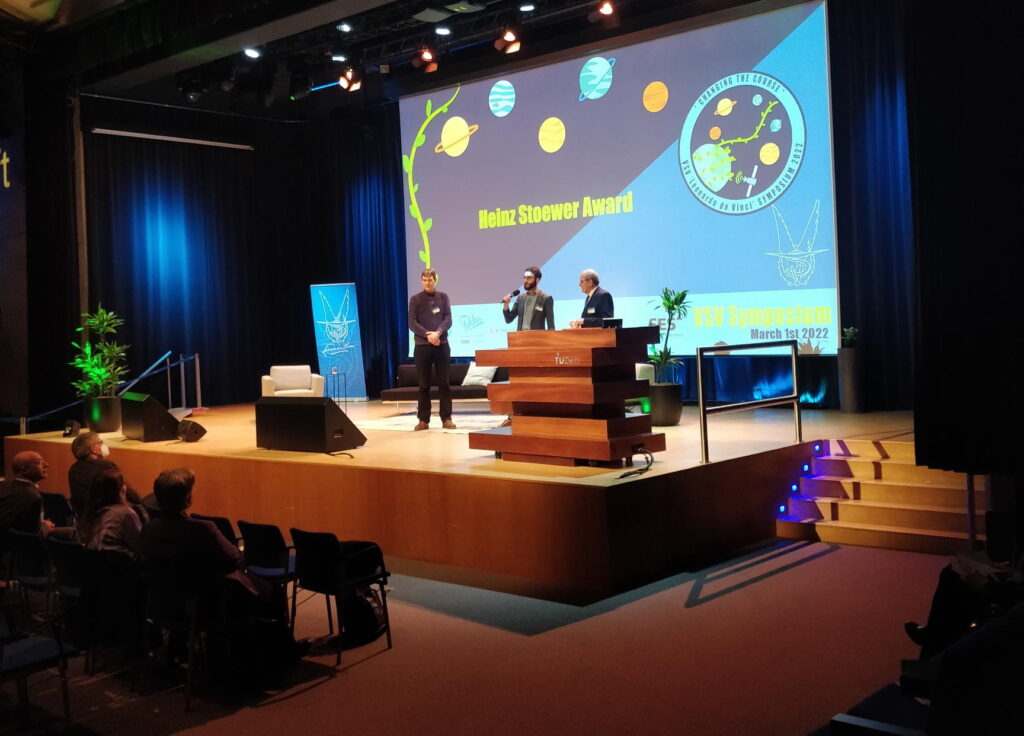
Berend Schuit wins Heinz Stoewer Space Award
-
Methane satellites find landfills with the same climate impact as several hundred thousand cars
-
The Global Methane Hub, SRON and GHGSat Launch World-first Project to Map Super-Emitting Landfills Globally
-
SRON participates in United Nations global methane detection system
-
NWO/NSO Grant for Burning Questions on Carbon Emissions
-
Harvard and SRON join forces to open up TROPOMI data to broader community
-
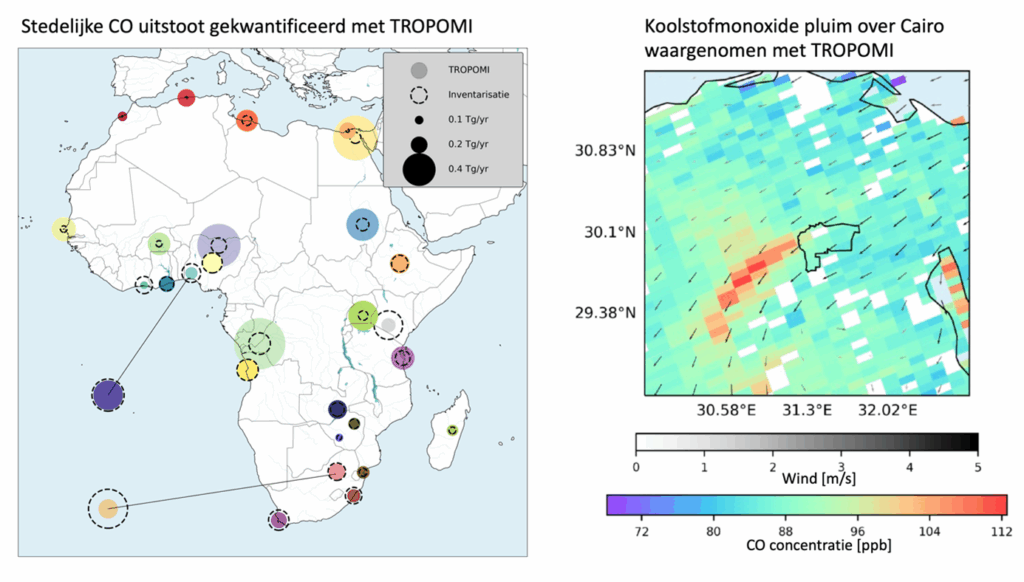
Satellite observations African cities: carbon monoxide emissions deviate from inventories
-
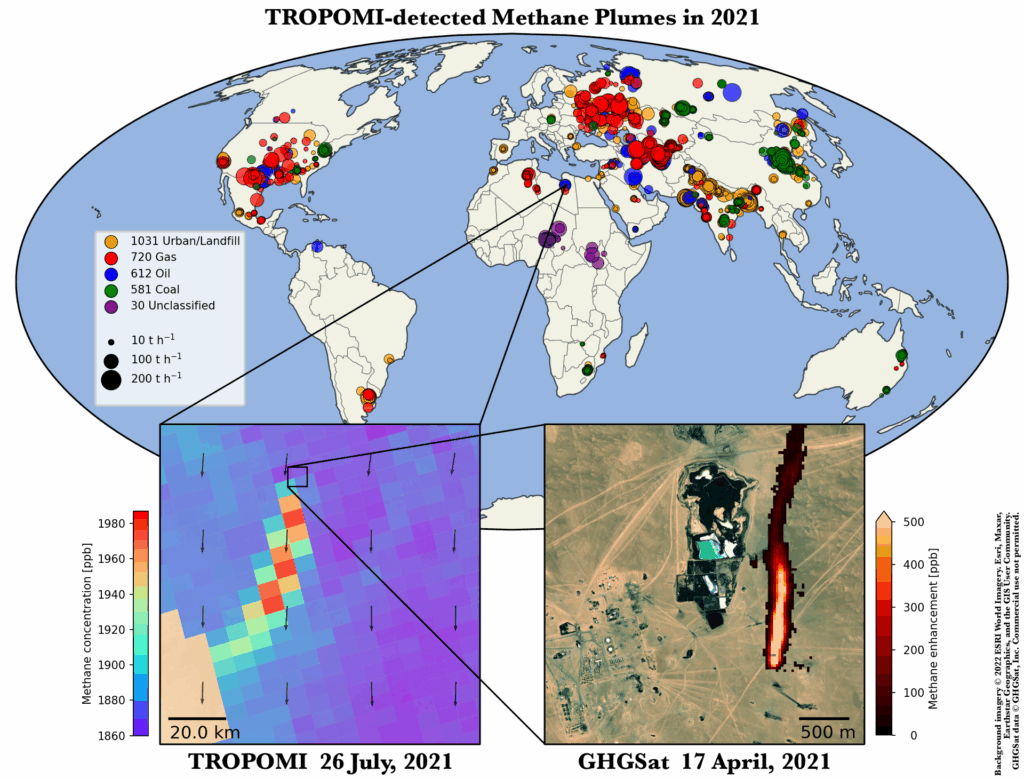
Methane super-emitters revealed weekly using satellites and machine learning
-

Researchers call for Dutch leading role in global methane monitoring
-
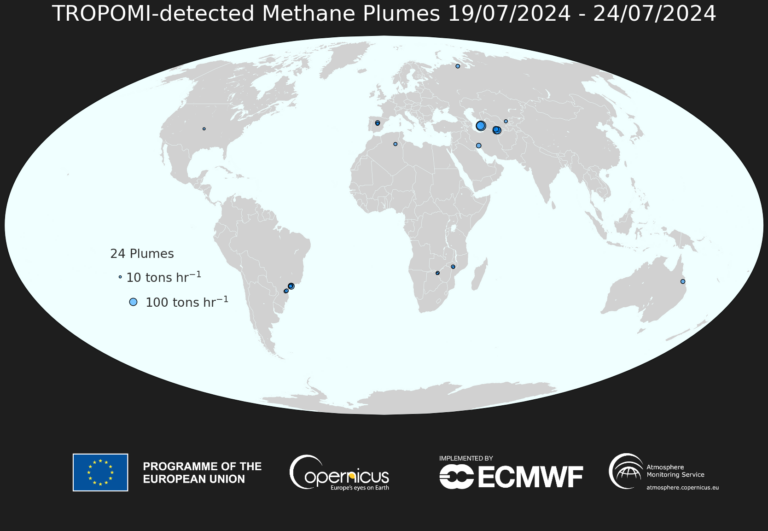
SRON to detect methane plumes for the Copernicus Atmosphere Monitoring Service
-
Pixels TROPOMI methane detector remain almost completely intact
-
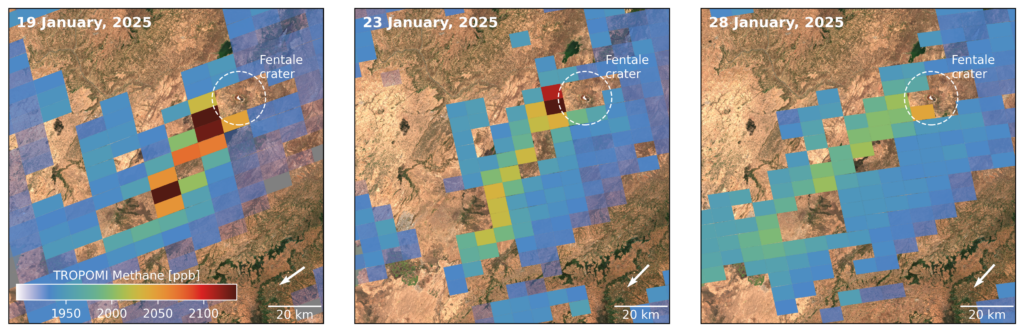
Duo of Satellites Detect Large Methane Emission from Ethiopian Volcano
-
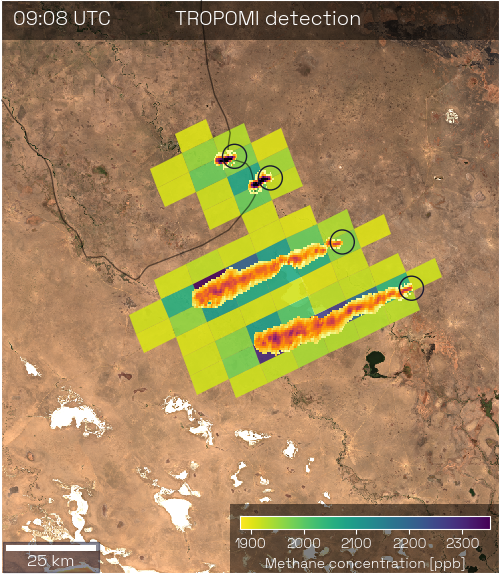
SRON pinpoints large brief methane releases
-
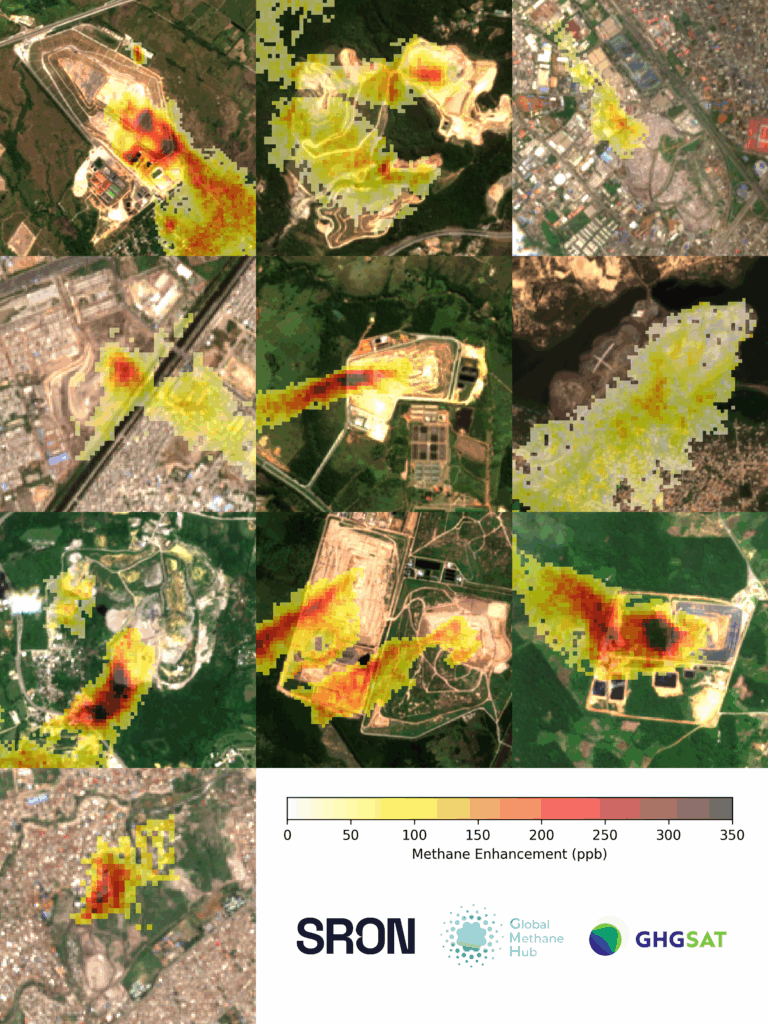
New methane satellite data supporting waste emission mitigation now publicly available
-
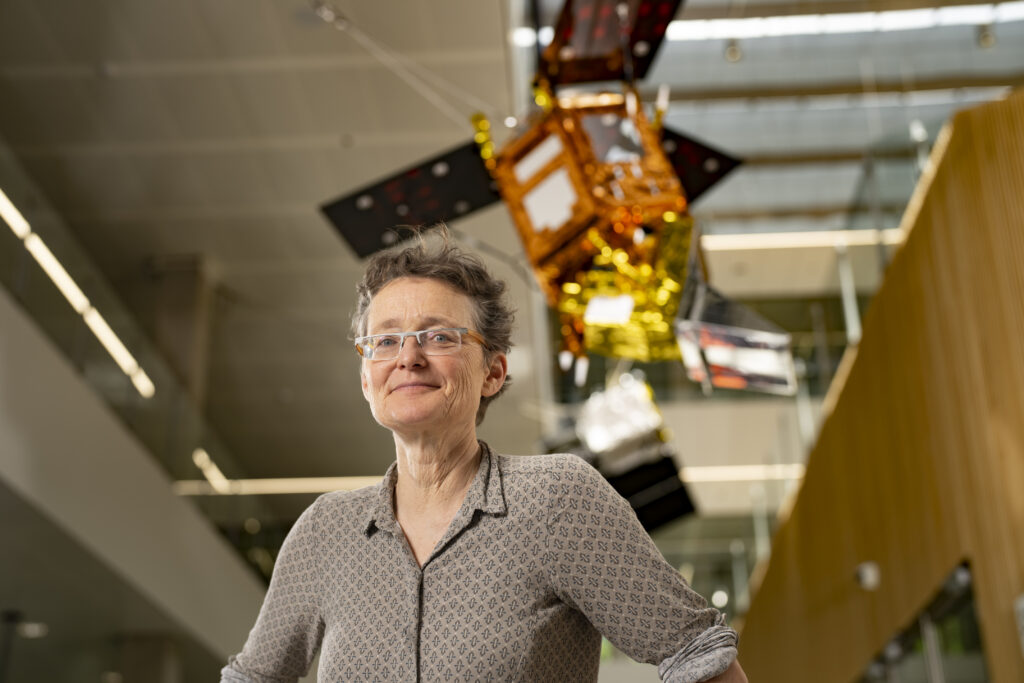
Ilse Aben wins Stevin Prize for detecting large methane leaks with TROPOMI
-
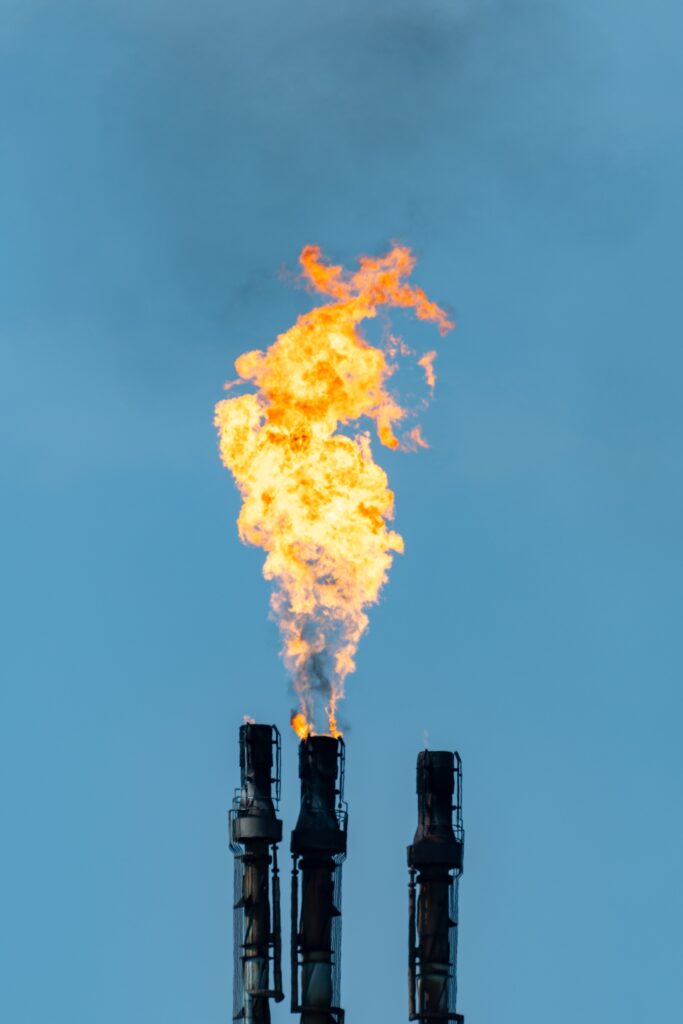
SRON starts collaboration with the World Bank’s Global Flaring and Methane Reduction Partnership
-
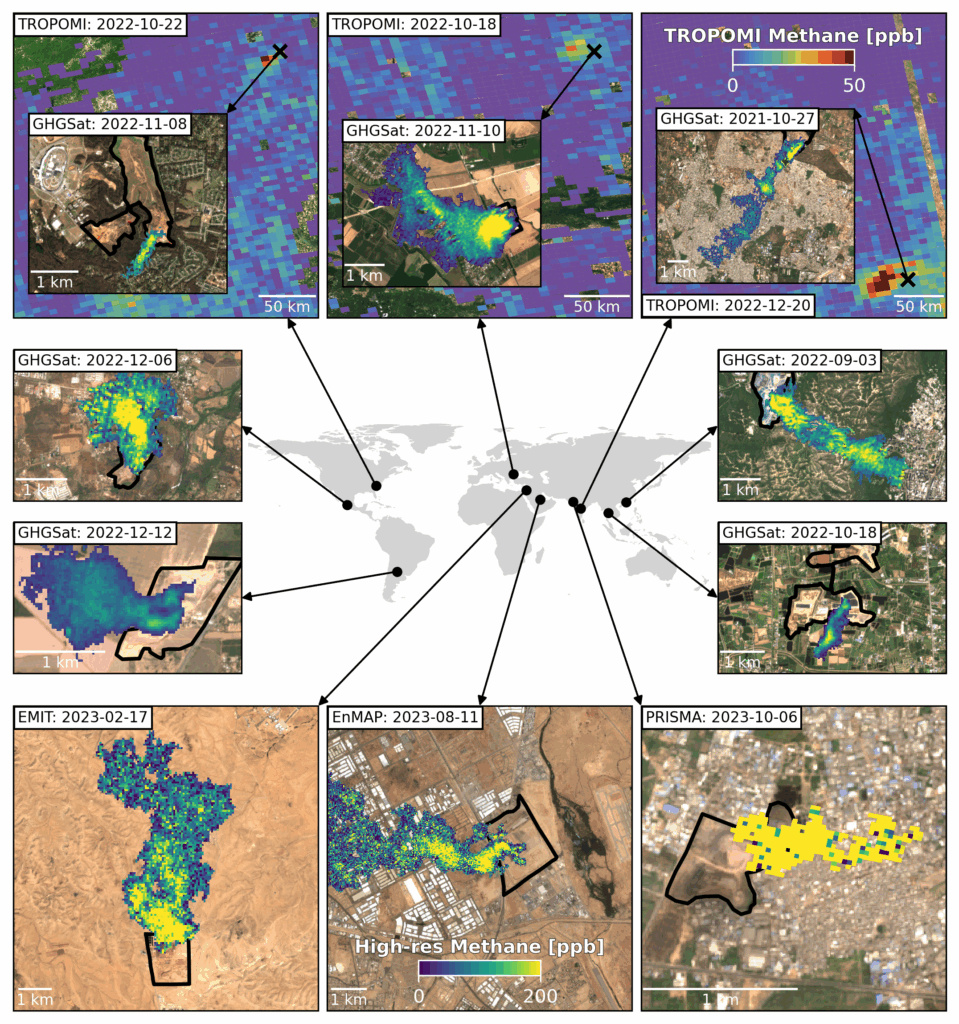
Global satellite survey supports improved waste methane emission estimation and mitigation
-
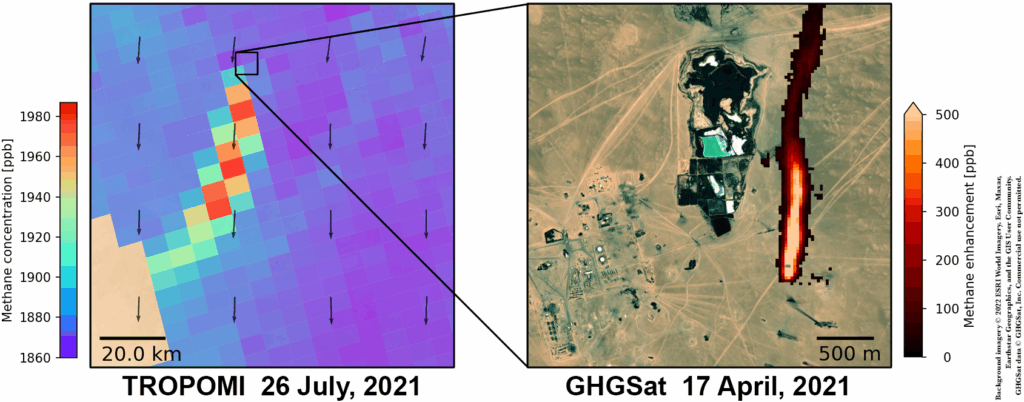
SRON provides new CAMS Service targeting methane emissions at facility level
-
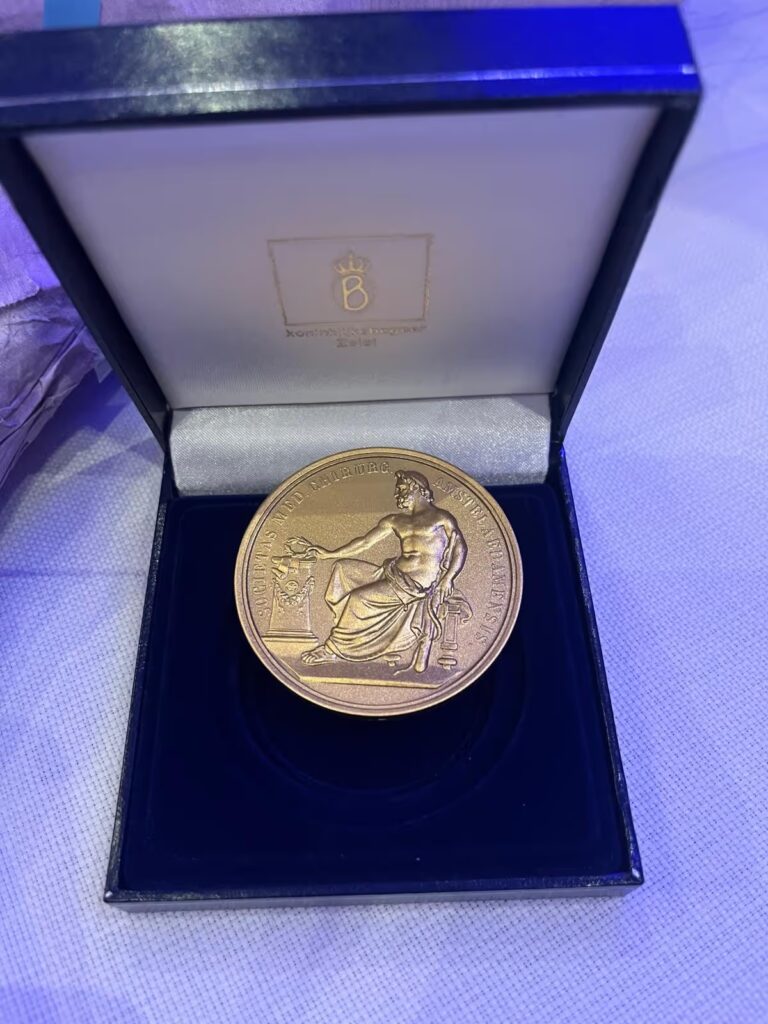
Snellius Medal for Pieternel Levelt and TROPOMI Team
-
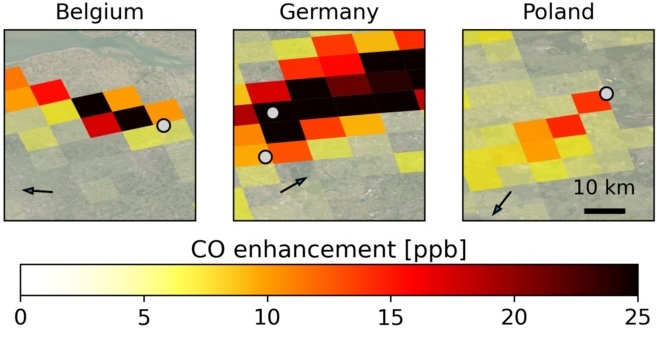
NWO grant for research into global carbon monoxide emissions from cities and steel industry
-
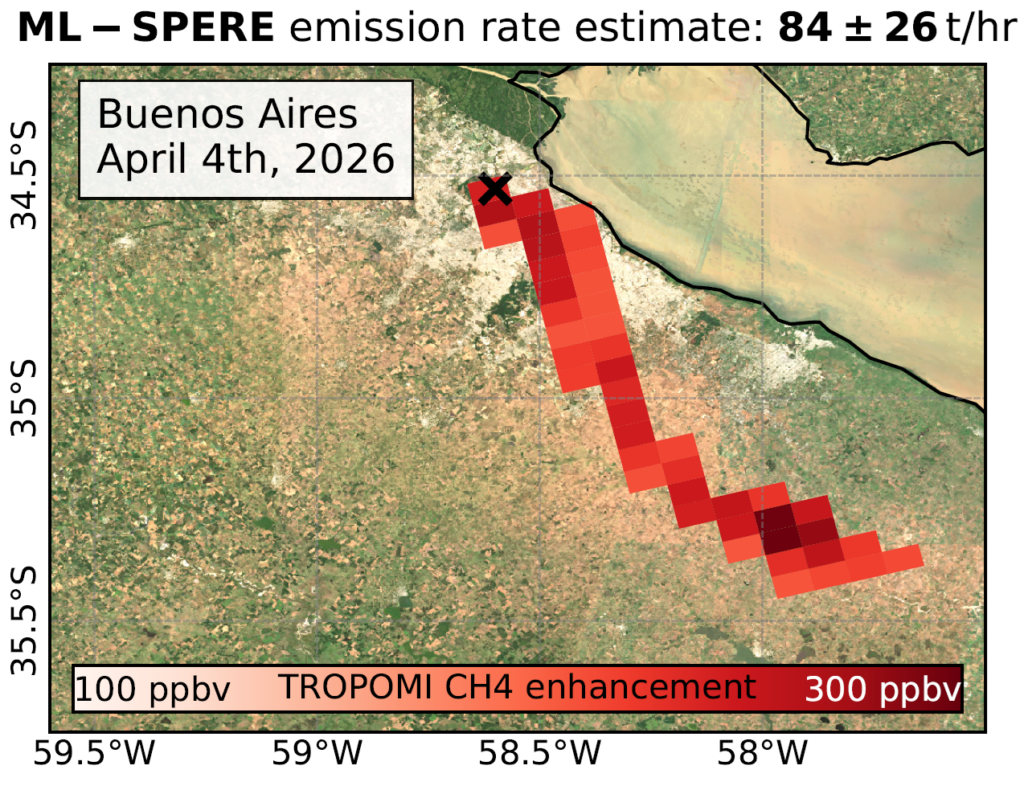
SRON develops machine-learning method to quantify methane plume emission rates

Our partners
TROPOMI is a collaboration between Airbus Netherlands, KNMI, SRON and TNO, commissioned by the NSO and ESA. Airbus Netherlands is prime contractor for the development of the instrument. TNO is responsible for the optical design. Scientific leadership is in the hands of KNMI and SRON. TROPOMI is funded by the Ministry of Economic Affairs, the Ministry of Education, Culture and Science and the Ministry of Infrastructure and the Environment.