

Skip to content

To bring about breakthroughs in international space research

  • Home
  • Research Questions
  • Pillars
  • Missions
  • About Us
  • Contact
Home
  • nl
  • en
Logo of SRON Space Research Organisation Netherlands

SRON | Space Research Organisation Netherlands

SRON space research institute

Logo of SRON Space Research Organisation Netherlands
  • Research Questions
  • Pillars
    • Science
    • Technology
    • Instrumentation
    • Our experts
    • Impact
  • Missions
  • About Us
  • News, Blogs & Events
  • Contact
  • SRON Academy
  • SRON Careers
  • Visit to SRON
Home
  • nl
  • en
  • Research Questions
    • How do we unravel the physics behind black holes?
    • How can we image the faintest exoplanets?
    • Where are greenhouse gases emitted?
    • How special is earth in context of the universe?
    • How do black holes form and grow?
    • How do aerosols affect the climate?
    • How do stars and planets form?
    • How is climate change affecting life on Earth?
  • Pillars
    • Science
      • Astrophysics
        • Cool universe
        • High Energy
        • Exoplanets
      • Earth
        • Methane
        • Aerosols and Clouds
        • CO2
        • Carbon monoxide
    • Technology
    • Instrumentation
      • Nanotechnology
      • Cryogenics
      • Optics
      • Electronics
      • PA/QA Quality
      • Mechanics / Realisation
    • Our experts
    • Impact
  • Missions
    • Active
      • ALMA
      • GUSTO
      • PACE
      • Sentinel-5p
      • SPEX airborne
      • XRISM
    • In development
      • ARIEL
      • LISA
      • Sentinel-5
    • Legacy
      • BeppoSAX
      • STO2
  • About Us
    • Facilities
    • History
  • News, Blogs & Events
  • Contact
  • SRON Academy
  • SRON Careers
  • Visit to SRON
dark blue version of the logo of SRON space research organisation netherlands
  • Privacy policy
Back to the story of SRON
  • Herschel
  • Herschel

Herschel: icecold molecules and their dynamics in focus

2009

The freezing cold universe, where stars and planets are born at temperatures of around -250 °C, is shrouded in darkness. To study molecules essential for a habitable planet like Earth, astronomers had to analyse the cosmos electronically.

In the deepest cold, feather-light molecules such as water (H₂O) spin around their own axis at unimaginable speeds at the slightest touch. The radiation released in this process oscillates at around 1,000 gigahertz: faster than computer chips can keep up with.

In order to be able to measure the properties of these ice-cold molecules such as their direction and speed, Dutch space researchers spent years working on a solution. By deliberately mixing the cosmic signal with a signal of a lower frequency, they made it measurable and interpretable: heterodyne technology.

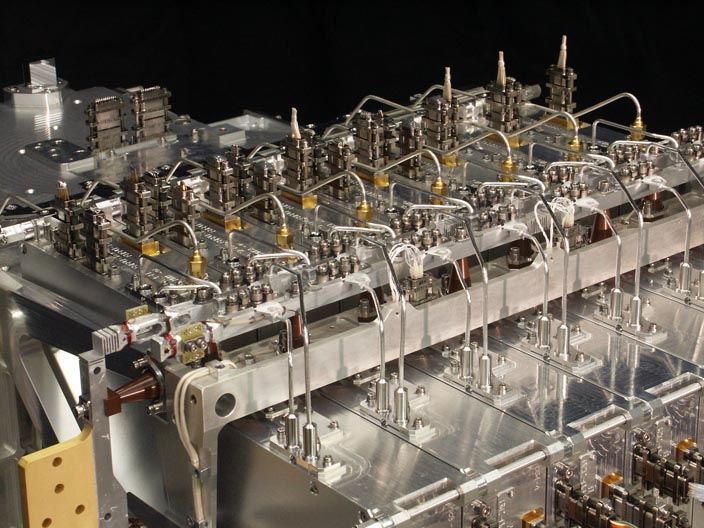
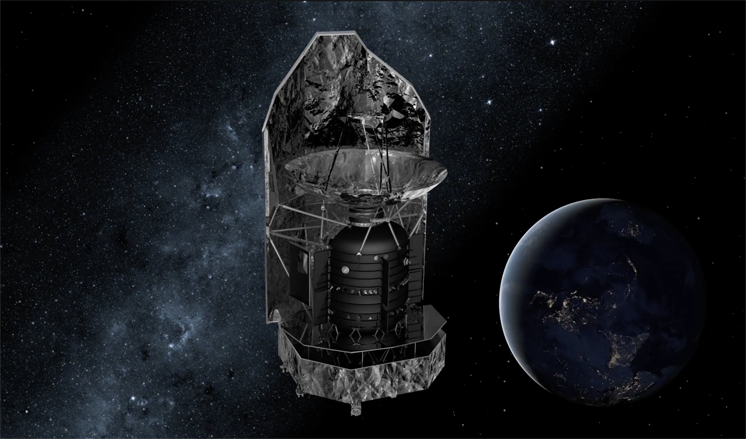
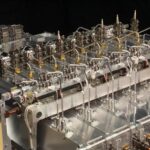
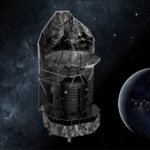
After decades of pioneering work, the HIFI instrument on the Herschel telescope (2009), developed by Dutch space researchers, was the crowning achievement of this technological endeavour. The telescope tracked cosmic water through all stages of star and planet formation. In this way, Herschel shed light on how water most likely arrived on our Earth.

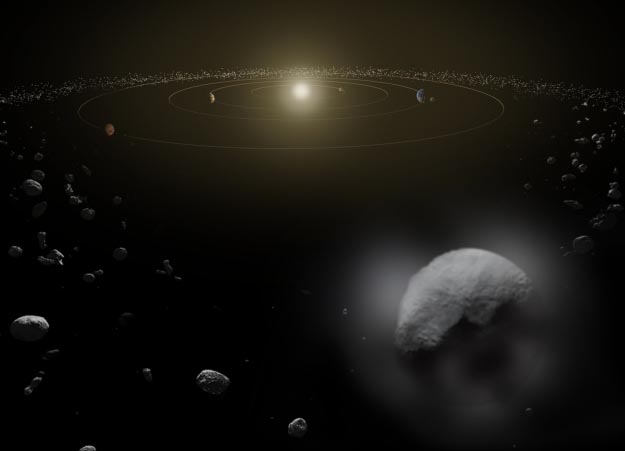
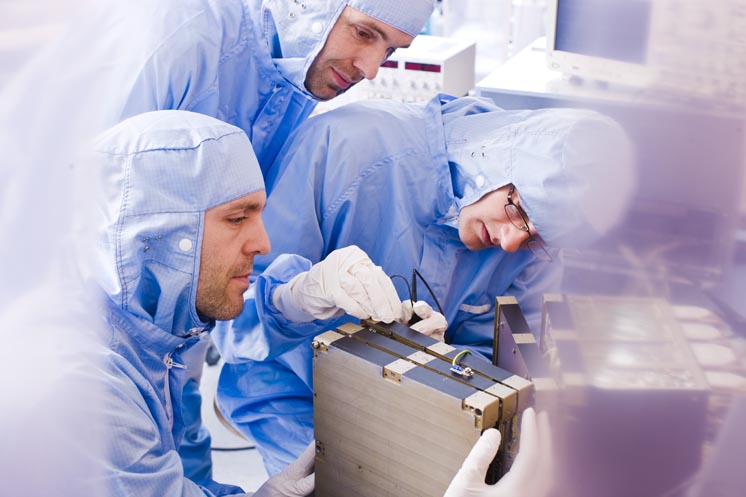
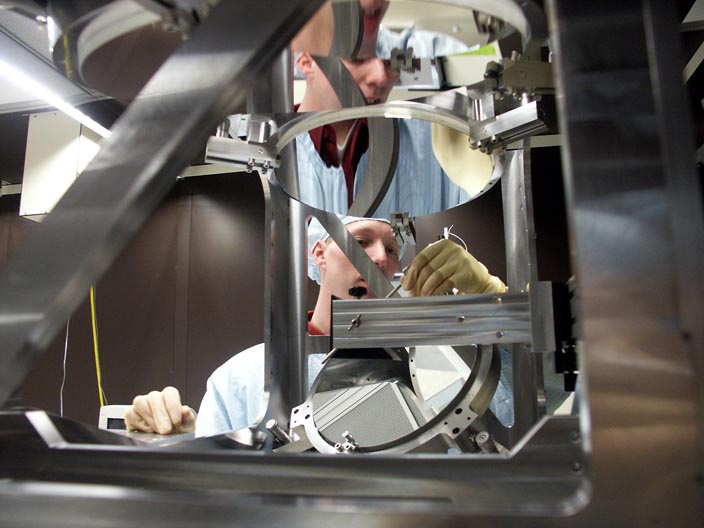
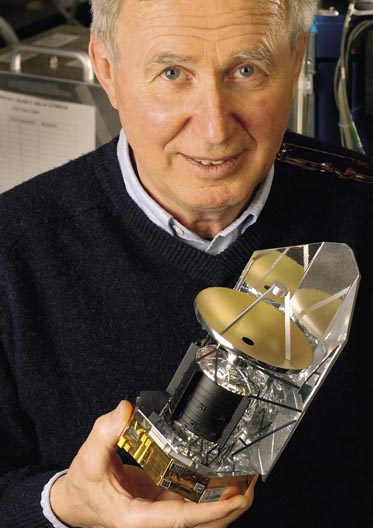
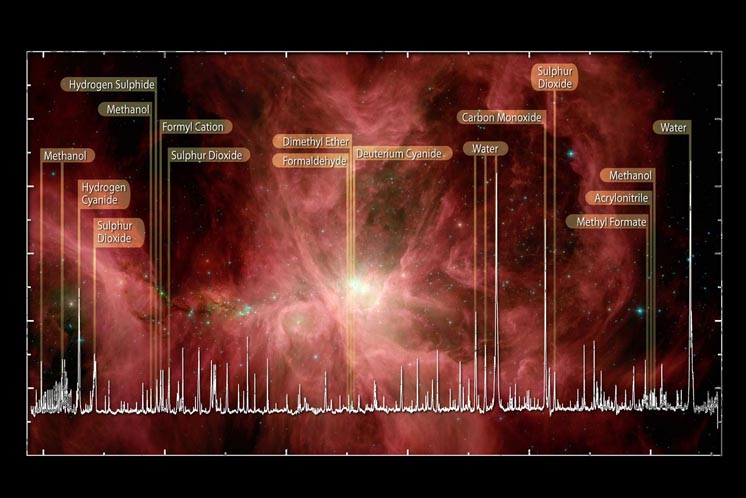
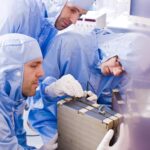
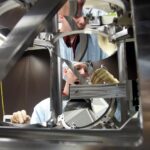
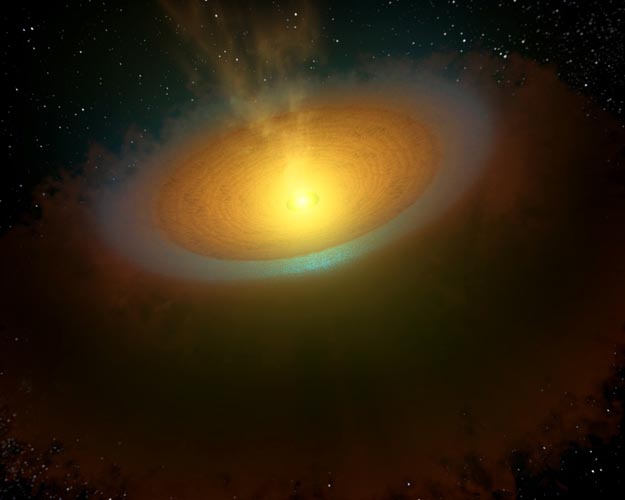
  • Photos (ESA, SRON): Water in a planet-forming disc; Water ice on Ceres; the HIFI instrument; Space researchers are working on HIFI; scientist Thijs de Graauw, who spent his career developing and refining heterodyne technology for astronomy; HIFI’s first molecular measurement.
  •  
a modern office building of 4 floors with lights illuminating the ground floor and a small sounding rocket in front of the building

Leiden

Niels Bohrweg 4
2333 CA Leiden
The Netherlands
+31 (0)88 777 56 00

a new and modern 4 floor building in light grey color with people walking in front of it

Groningen

Landleven 12
9747 AD Groningen
The Netherlands
+31 (0)50 363 40 74

  • Research Questions
  • Pillars
    • Science
    • Technology
    • Instrumentation
    • Our experts
    • Impact
  • Missions
  • About Us
  • News, Blogs & Events
  • Contact
  • Newsletter

Niels Bohrweg 4
2333 CA Leiden
The Netherlands
+31 (0)88 777 56 00

Landleven 12
9747 AD Groningen
The Netherlands
+31 (0)50 363 40 74

NWO-I

SRON is part of the Institutes Organisation of NWO

  • Privacy policy
Logo of SRON Space Research Organisation Netherlands

Follow us on social media

SRON on bluesky SRON on Instagram SRON on LinkedIn

What happens up there, starts down here.

Manage consent
To provide the best experiences, we use technologies such as cookies to store and/or access information about your device. By agreeing to these technologies, we may process data such as browsing behavior or unique IDs on this site. If you do not consent or withdraw your consent, this may adversely affect certain features and functionality.
Functional Always active
The technical storage or access is strictly necessary for the legitimate purpose of enabling the use of a specific service expressly requested by the subscriber or user, or for the sole purpose of carrying out the transmission of a communication over an electronic communications network.
Preferencs
The technical storage or access is necessary for the legitimate purpose of storing preferences not requested by the subscriber or user.
Statistics
The technical storage or access used solely for statistical purposes. The technical storage or access that is used solely for anonymous statistical purposes. Without a subpoena, voluntary compliance by your Internet Service Provider, or additional information from a third party, information stored or retrieved solely for this purpose generally cannot be used to identify you.
Marketing
De technische opslag of toegang is nodig om gebruikersprofielen op te stellen voor het verzenden van reclame, of om de gebruiker op een site of over verschillende sites te volgen voor soortgelijke marketingdoeleinden.
  • Manage options
  • Manage services
  • Manage {vendor_count} vendors
  • Read more about these purposes
Check preferences
  • {title}
  • {title}
  • {title}