


| Status | Active |
| Launch | 2017 / 2020 / 2024 |
| Space organisation | – |
| Type | UV / visible / infrared (340 – 890 nm) |
| Orbit | Plane at an altitude of 10-20 km |
| Instrument with SRON contribution | SPEX airborne |
Most uncertain factor in climate science
SPEX airborne participates in scientific aircraft missions that seek to understand the impact of aerosols on climate and air quality. Aerosols are small solid particles such as soot, ash and desert dust, or liquid particles such as salt solutions. Unlike greenhouse gases, aerosols in the Earth’s atmosphere have a net cooling effect. However, it is unknown to what extent this is true. The uncertainty margin starts at 0.2 degrees of cooling and extends to as much as 0.9 degrees of cooling. The latter would mean that greenhouse gases have an even greater warming impact than we thought. Research on aerosols from space and aircraft lowers this uncertainty and allows scientists and policymakers to make better estimates of future temperatures.

Flight campaigns
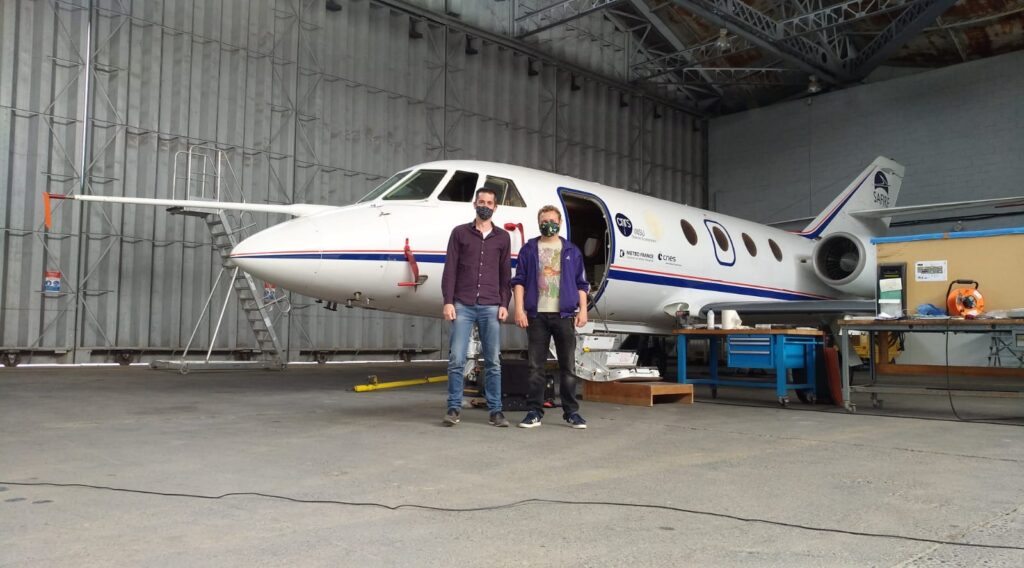
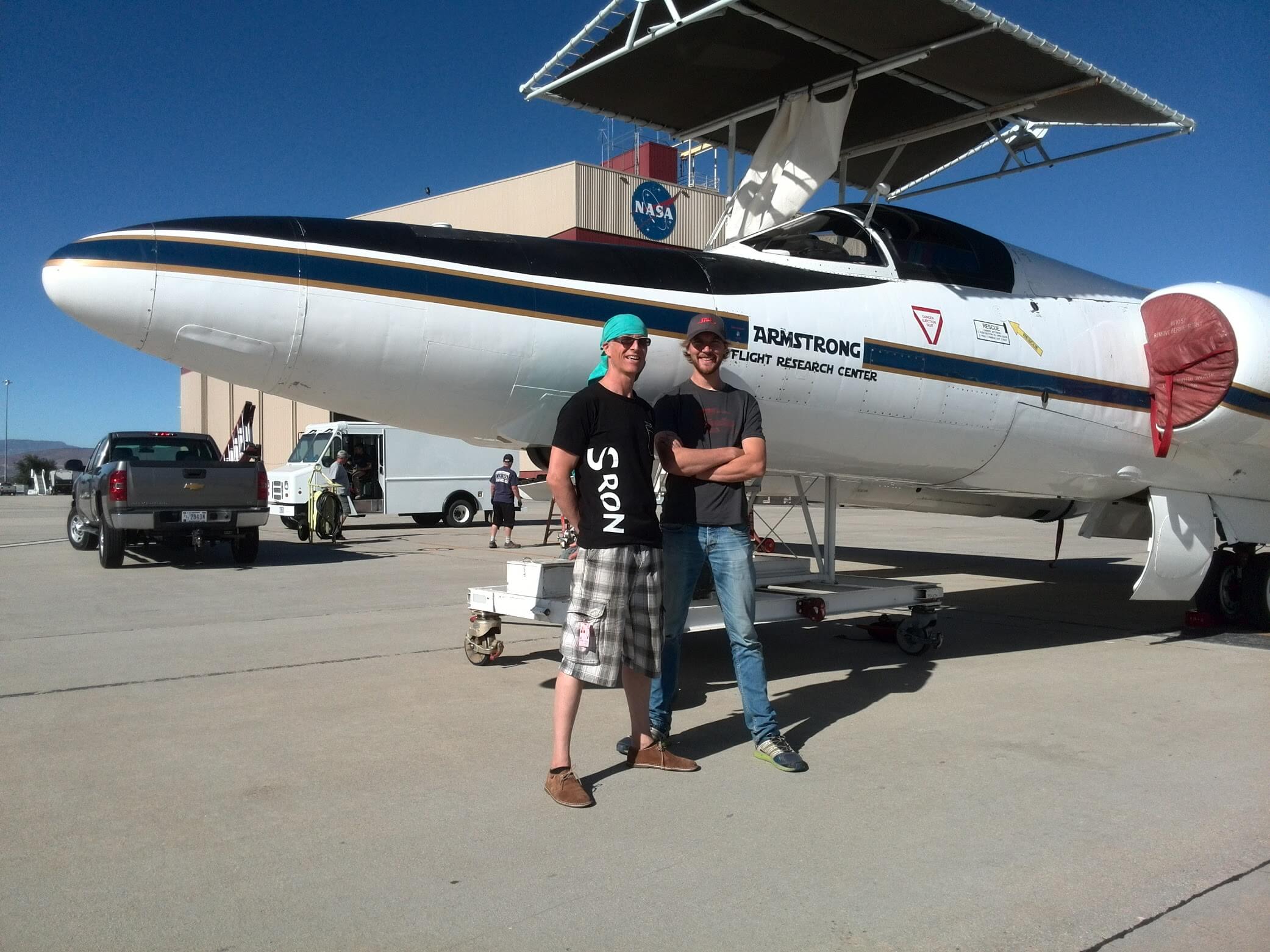
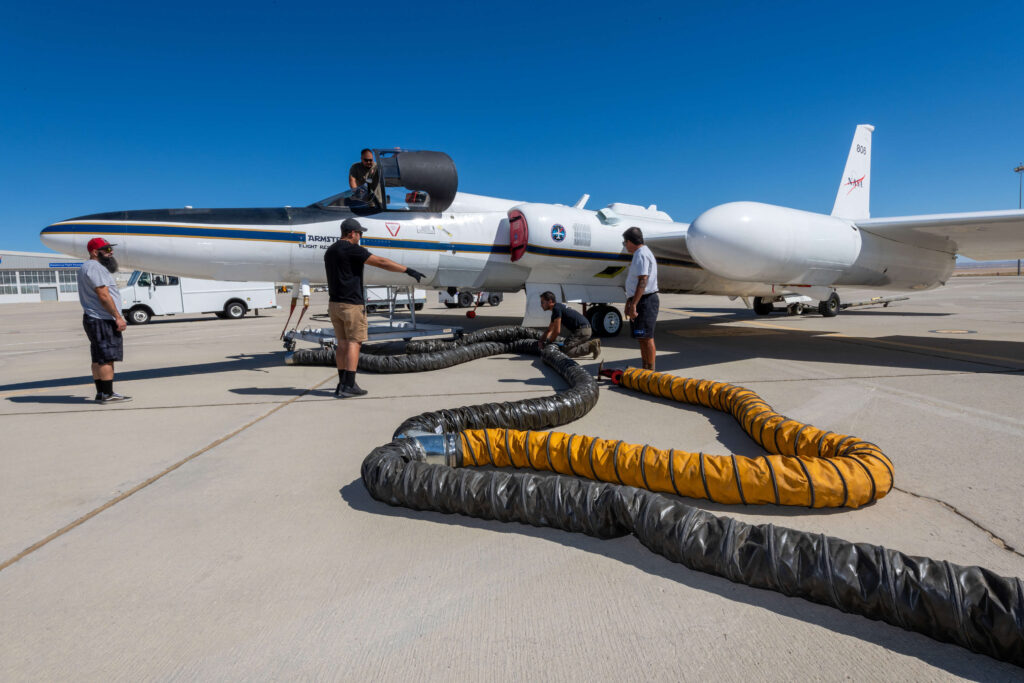
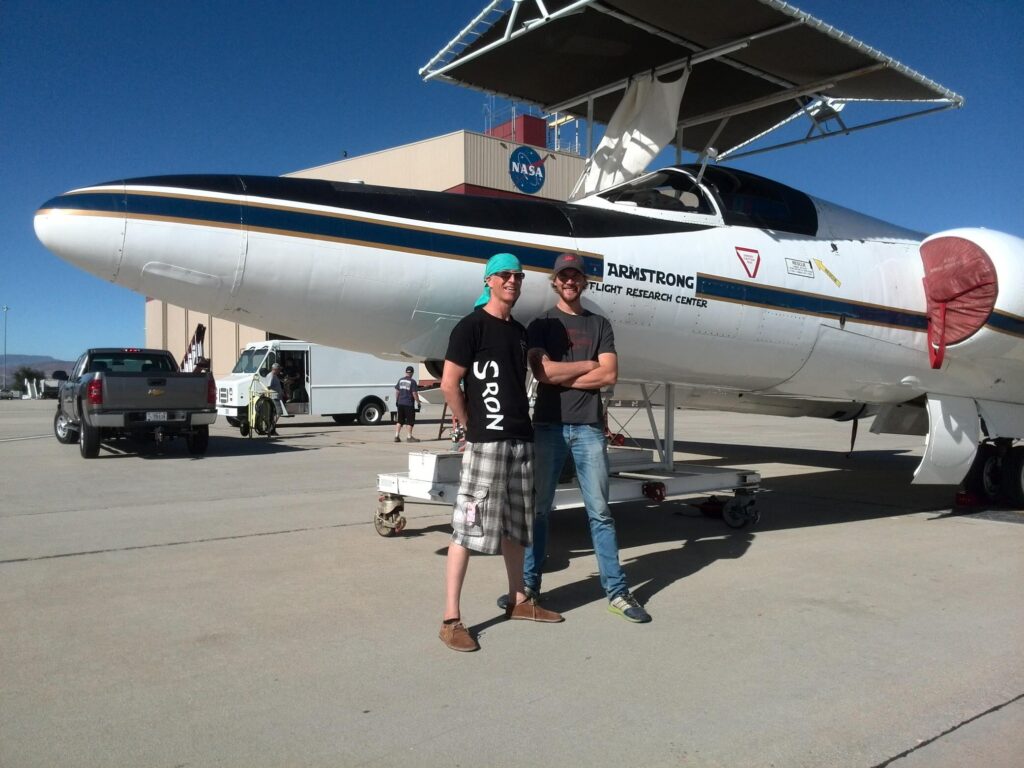
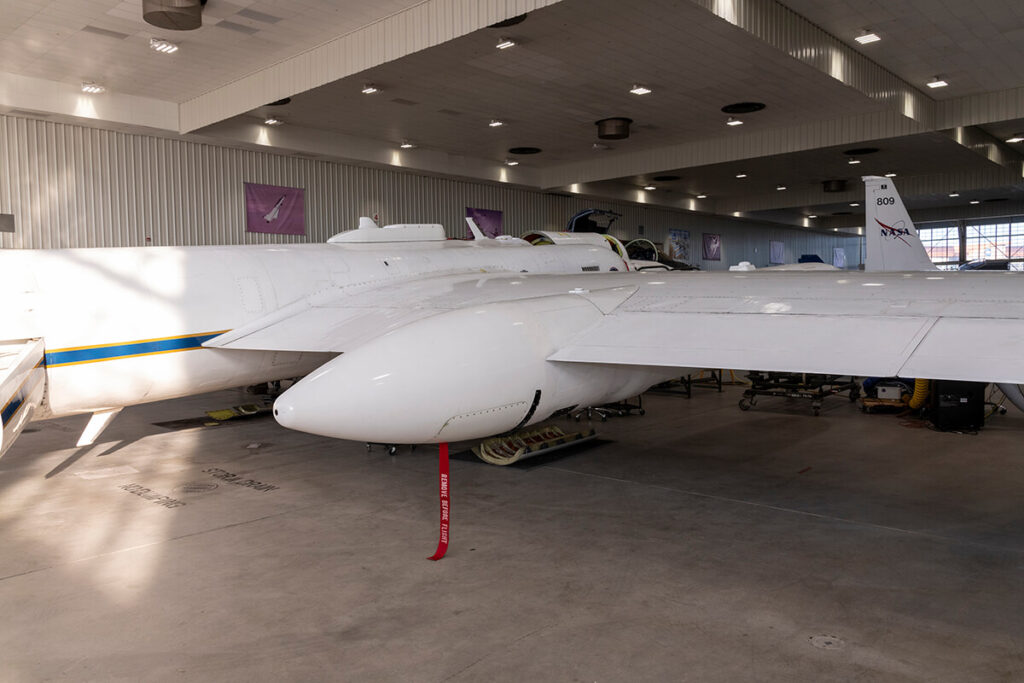
During the first flight campaign in 2017-ACEPOL SRON researchers demonstrated the so-called SPEX measurement principle to measure properties of aerosols. Aerosols also play a major role in measuring CO2 in the atmosphere. They interfere with CO2 measurements, making it essential to compensate for them. This can only be done by measuring the amount and type of aerosols simultaneously with CO2. Therefore, in 2020, SPEX airborne was part of the SCARBO flight campaign, which aimed to demonstrate combined CO2 and aerosol measurements. In 2024, the instrument flew with NASA’s PACE-PAX campaign, periodically right under the PACE satellite with SPEX airborne’s big brother-SPEXone on board. This is to calibrate the satellite data.
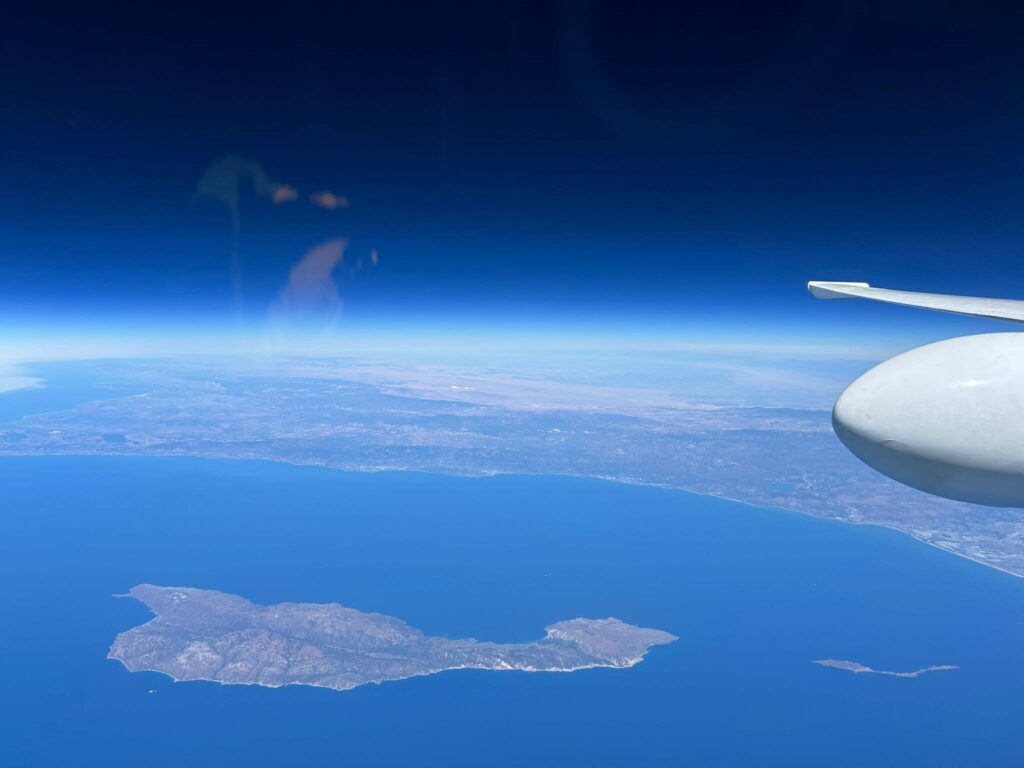
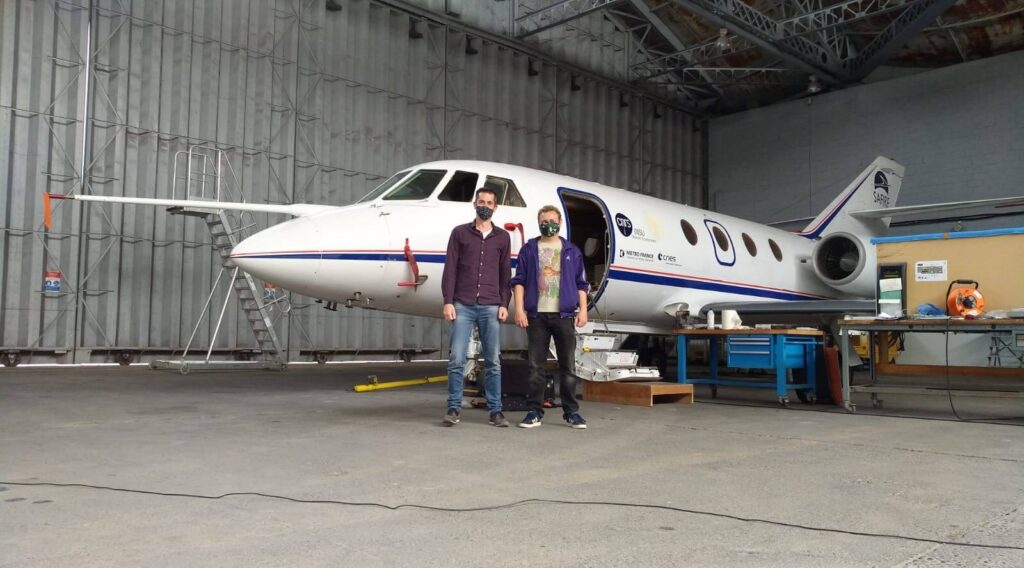
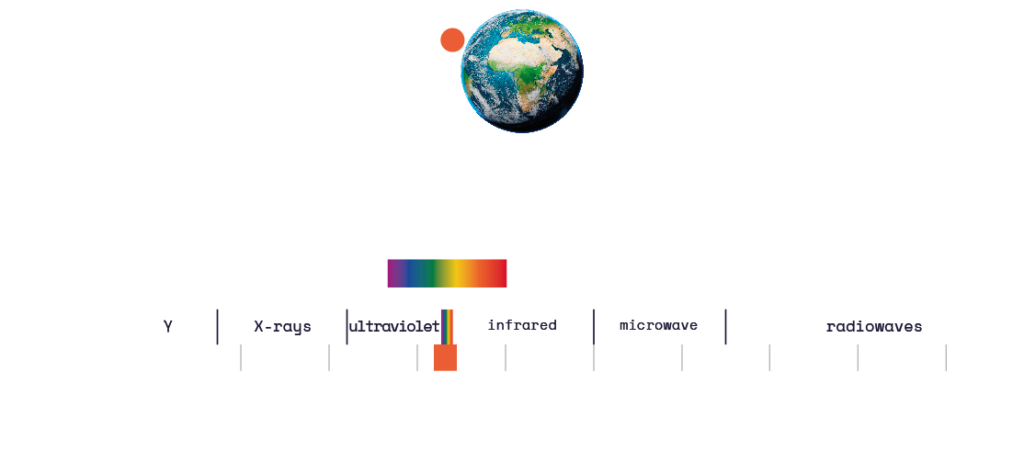
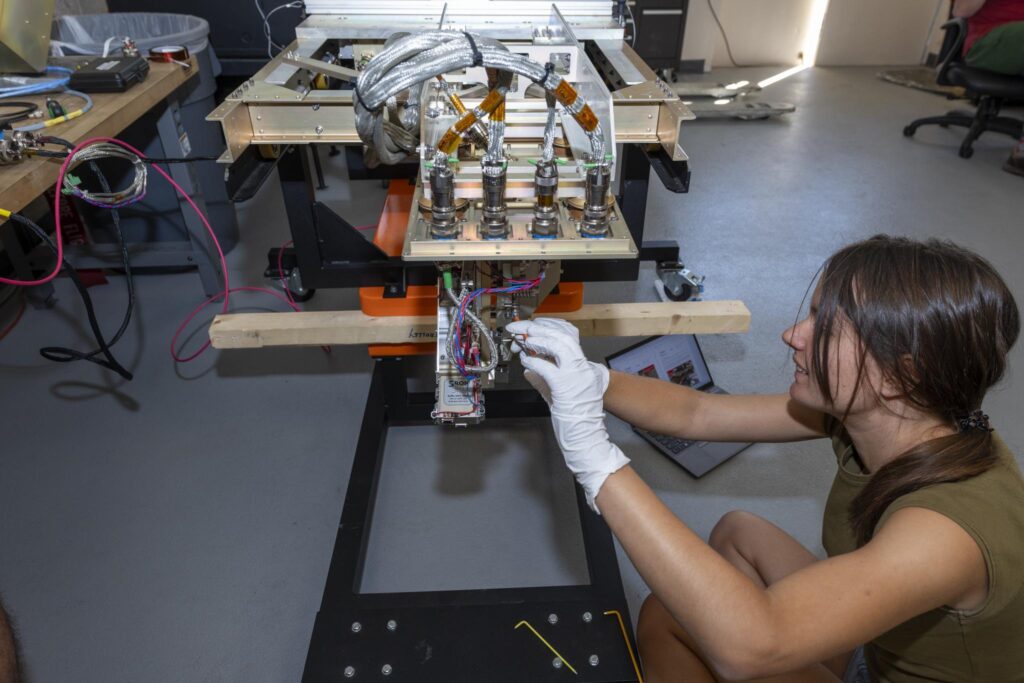
SPEX airborne is a prototype of the SPEXone instrument aboard NASA’s PACE satellite. Like its big brother, SPEX airborne measures from multiple angles-in this case nine-the polarisation of sunlight as reflected by aerosols. Thus, aerosols come into view from different angles as the aircraft flies over. SPEX airborne also distinguishes between colours across the full colour spectrum from UV light to near-infrared. With a combination of nine viewing angles, a broad spectrum and polarisation measurements, SPEX airborne collects detailed information about aerosols needed to better map their impact on climate.
-
SRON Space Mission SPEX Airborne -
-
-
-
-
Instrumentation SPEX Airborne Active mission SRON