



 Back to the story of SRON


Herschel: icecold molecules and their dynamics in focus
2009
The freezing cold universe, where stars and planets are born at temperatures of around -250 °C, is shrouded in darkness. To study molecules essential for a habitable planet like Earth, astronomers had to analyse the cosmos electronically.
In the deepest cold, feather-light molecules such as water (H₂O) spin around their own axis at unimaginable speeds at the slightest touch. The radiation released in this process oscillates at around 1,000 gigahertz: faster than computer chips can keep up with.
In order to be able to measure the properties of these ice-cold molecules such as their direction and speed, Dutch space researchers spent years working on a solution. By deliberately mixing the cosmic signal with a signal of a lower frequency, they made it measurable and interpretable: heterodyne technology.
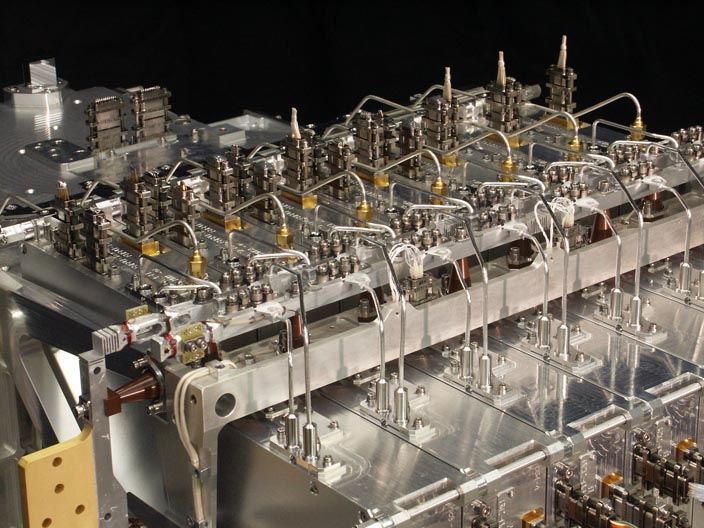
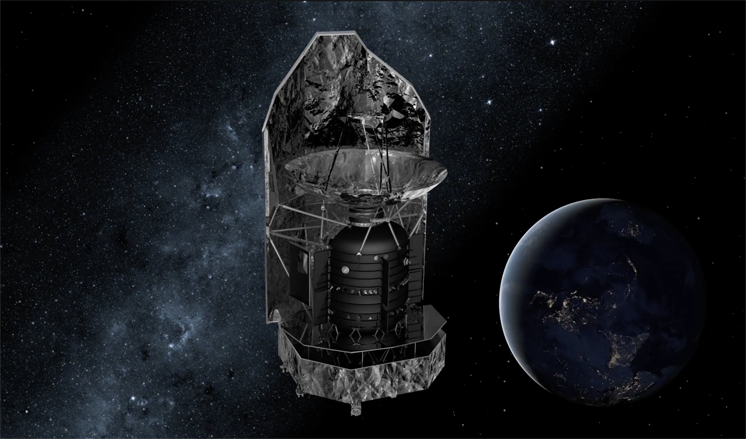
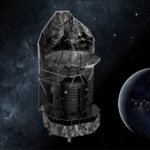
After decades of pioneering work, the HIFI instrument on the Herschel telescope (2009), developed by Dutch space researchers, was the crowning achievement of this technological endeavour. The telescope tracked cosmic water through all stages of star and planet formation. In this way, Herschel shed light on how water most likely arrived on our Earth.
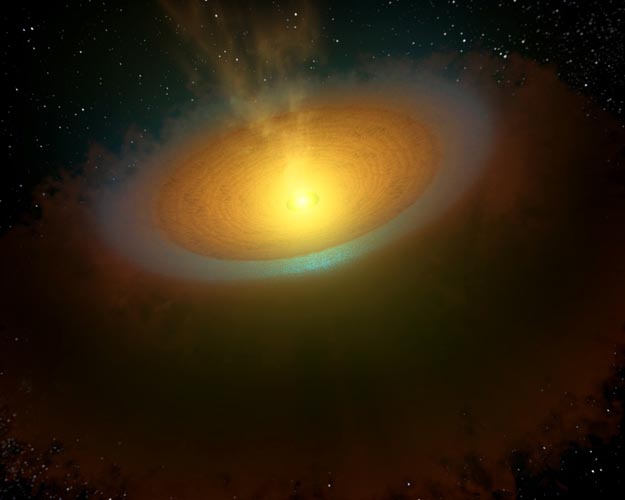
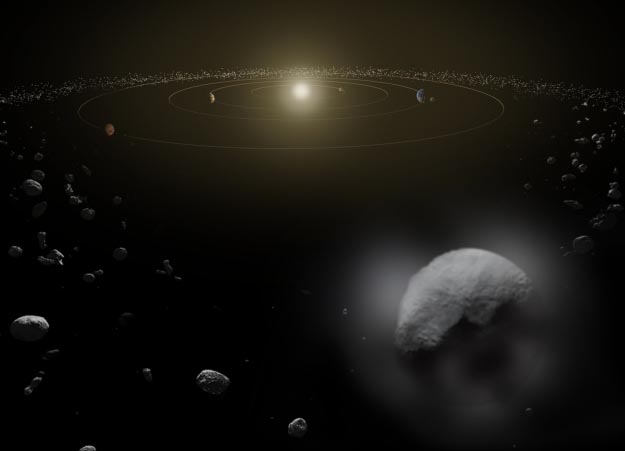
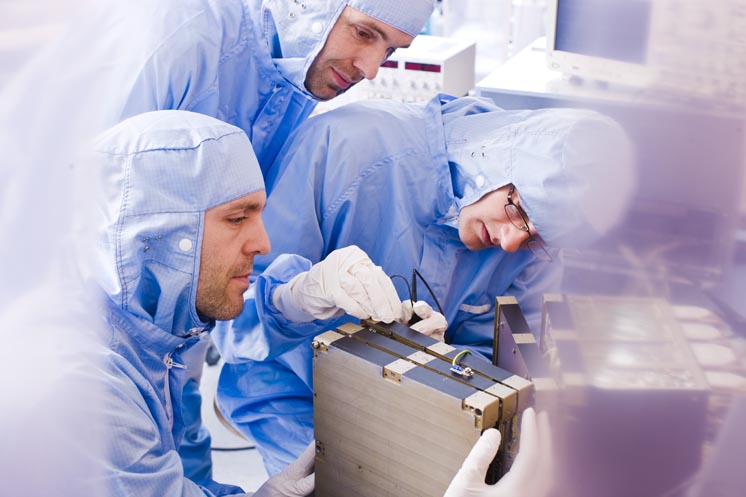
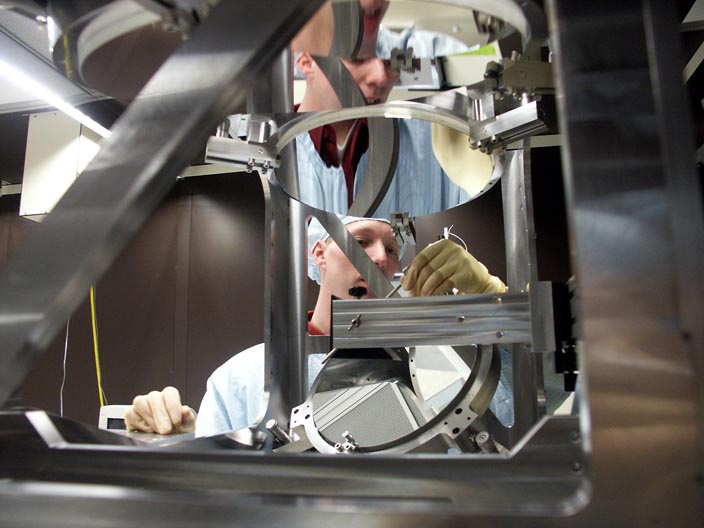
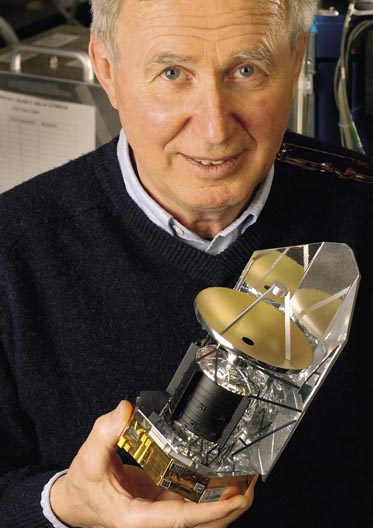
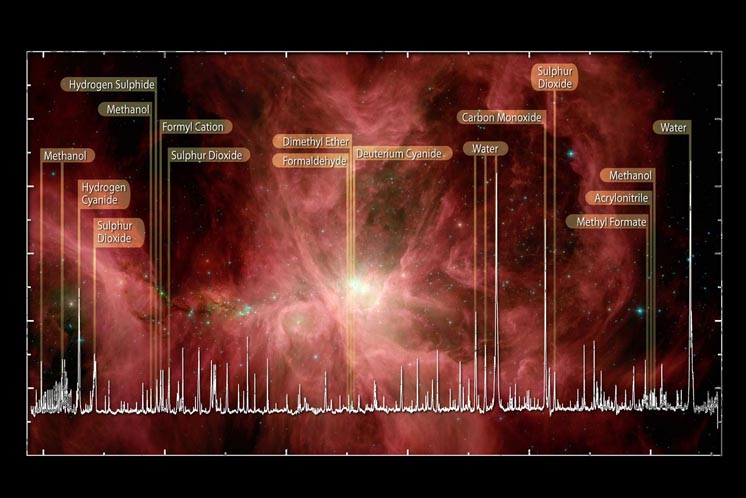
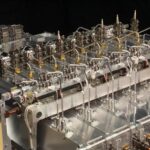
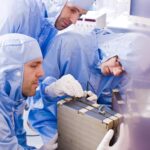
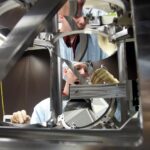
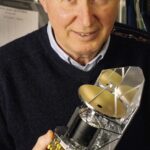
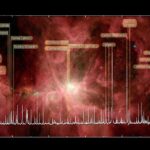
- Photos (ESA, SRON): Water in a planet-forming disc; Water ice on Ceres; the HIFI instrument; Space researchers are working on HIFI; scientist Thijs de Graauw, who spent his career developing and refining heterodyne technology for astronomy; HIFI’s first molecular measurement.