



Astronomen gebruikenAstronomers use far-infrared spectrometers to study the composition and movements of galaxies and gas clouds. Researchers at TU Delft, SRON, and the University of Cologne are therefore developing new spectrometers based on superconducting resonators, which separate the colors of light. Now they have made the frequencies to which the resonators are sensitive four times more precise.ver-infraroodspectrometers om de samenstelling en bewegingen van sterrenstelsels en gaswolken te bestuderen. Onderzoekers van de TU Delft, SRON en de Universiteit van Keulen ontwikkelen daarom nieuwe spectrometers op basis van supergeleidende resonatoren, die de kleuren van het licht opsplitsen. Nu hebben ze de frequenties waar de resonatoren gevoelig voor zijn viermaal nauwkeuriger gemaakt.

They work in a way somewhat similar to the human ear, where tiny hair cells are set in motion by sound waves and send a signal to our brain. Each hair cell—or resonator in the spectrometer—detects a different frequency.
The researchers want to place a large number of resonators side by side so that they can measure a wide frequency range simultaneously. But in practice, the resonators did not tune to the intended frequencies with sufficient precision. There were small random and systematic deviations in the frequencies, which led to gaps.
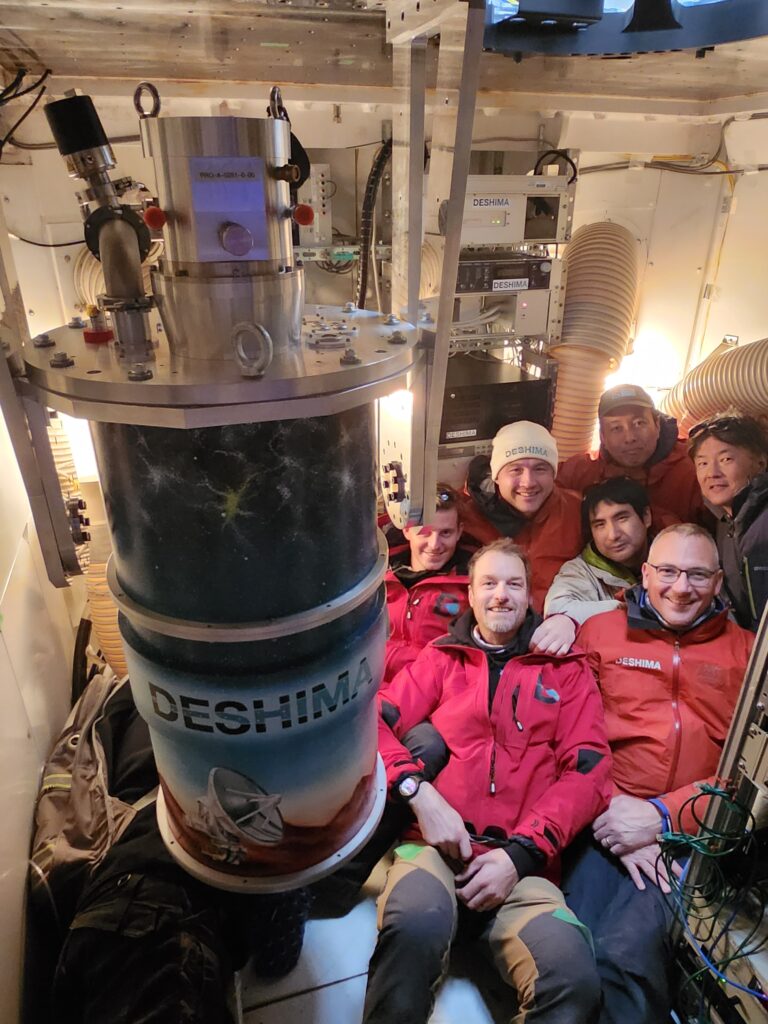
The researchers investigated the resonators’ manufacturing process—electron beam lithography—in which an electron beam etches patterns onto a chip. They discovered that a smaller step size of the electron beam results in more accurate frequencies. This allowed them to increase the precision of the frequencies by a factor of about four. Telescope instruments such as DESHIMA and TIFUUN can benefit from this discovery.
