



 Back to the story of SRON
Ozone kickstarts earth observation
1995
It has been known since the early 1970s that human activity affects the ozone layer. And that chlorofluorocarbons (CFCs) from aerosol cans and fridges, in particular, are the invisible culprits causing widespread damage to the ozone layer.
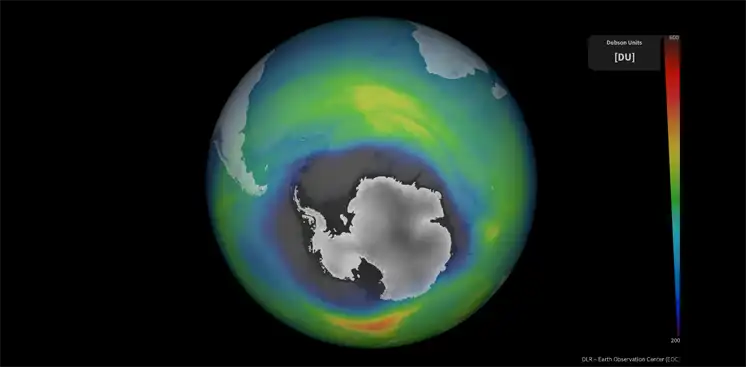
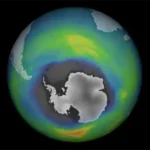
In Antarctica, ozone levels have been measured from the ground since the late 1950s. In 1985, British researchers there noticed that a huge ozone hole had formed. This had gone unnoticed in early satellite measurements, as the software had filtered out the extremely low readings as ‘impossible’. The hole, visible in corrected images, shocked the world.
In 1987, the ‘Montreal Protocol’ led to a worldwide ban on the use of CFCs. From then on, satellites would have to measure the effects of the treaty, preferably without any blind spots.
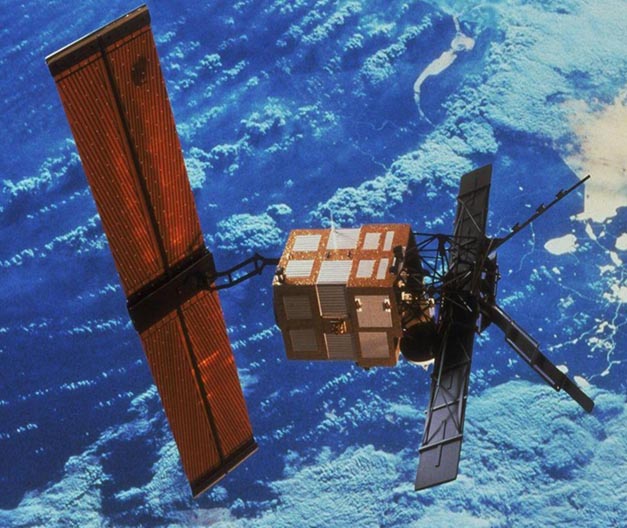
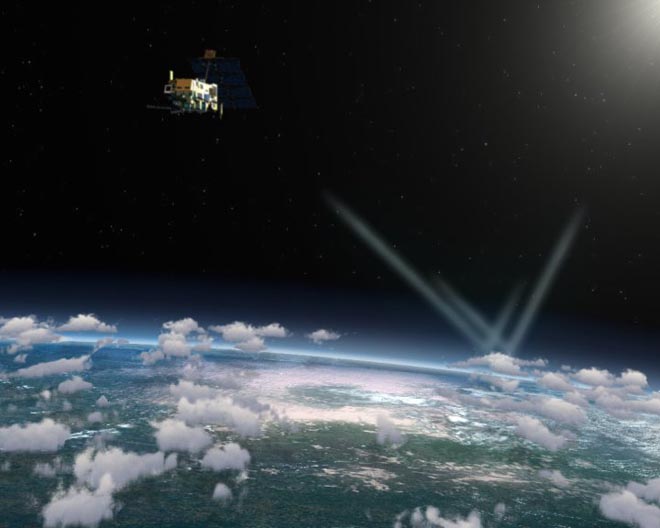
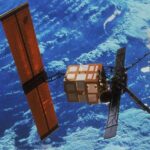
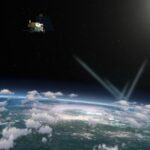
SRON then also turns its attention to this Earth observation research, in collaboration with KNMI. In particular, it focuses on resolving a specific source of interference in satellite ozone measurements: scattering, which can be detected through polarisation. In 1995, ESA launched the ERS-2 satellite as part of the Global Ozone Monitoring Experiment. SRON researchers devised ways to improve polarisation measurements of sunlight reflected from the Earth back to the satellite.
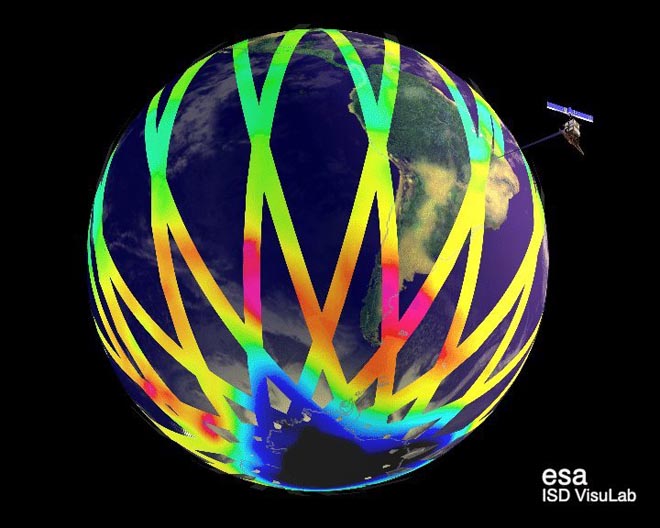
SRON developed a model to determine ozone concentrations more reliably from satellite measurements, while avoiding the computational overload such polarisation corrections were associated with. This model paved the way for faster, larger-scale and more accurate determination of ozone concentrations and, later, those of other gases as well.
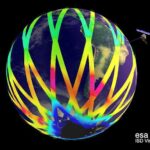
- Images (ESA): The ozone hole has been closely monitored since the Montreal Protocol; the ERS-2 satellite with GOME; a satellite measures sunlight that is reflected back by the Earth; satellite measurements around the Earth.