



 Back to the story of SRON

A new sense for the cosmos
2015
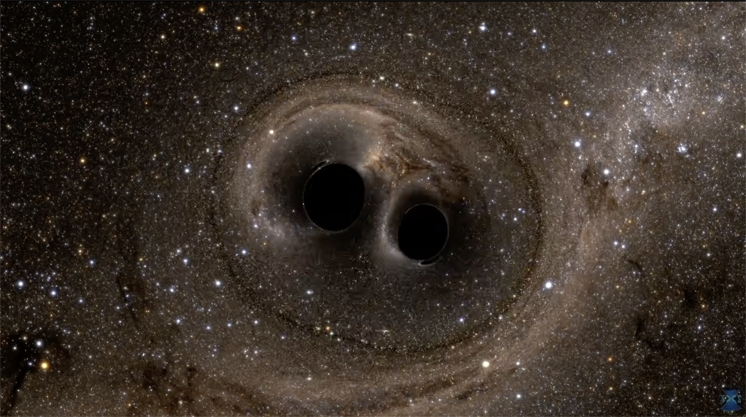
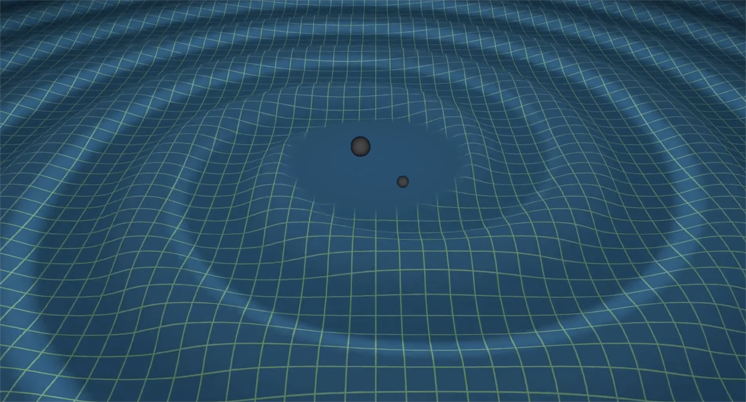
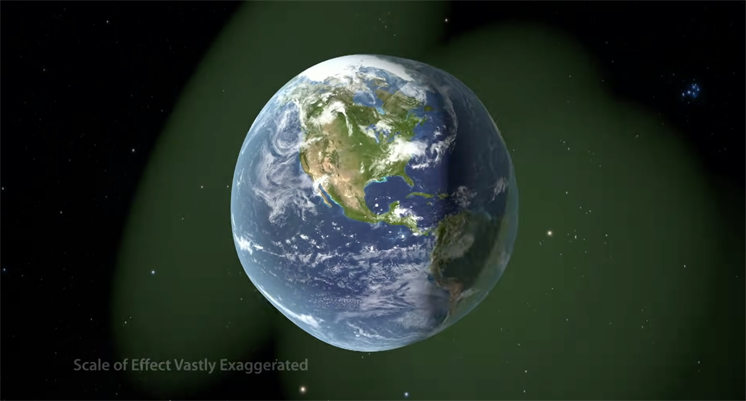
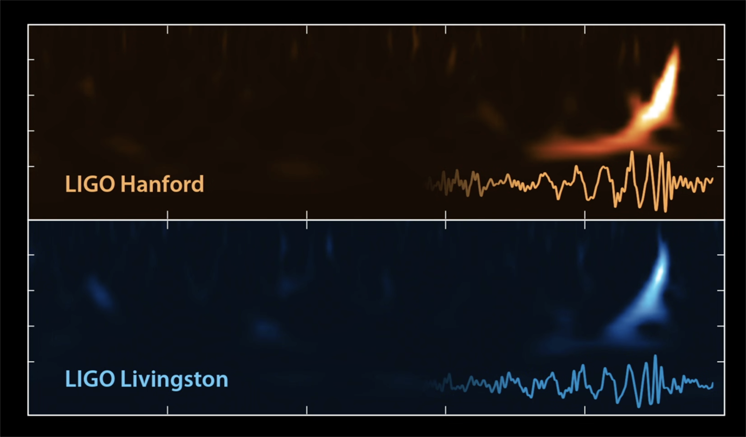
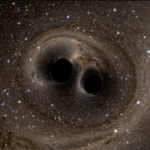
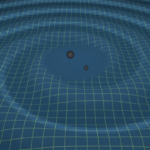
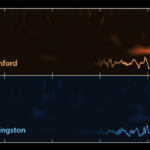
In 1915, Albert Einstein published his general theory of relativity, from which it followed that space itself can ripple. Two massive celestial bodies colliding with one another, such as black holes, then generate gravitational waves that propagate through the universe at the speed of light. At the time, Einstein could not have imagined that, exactly a century later in 2015, people would actually detect a gravitational wave. They did so using the LIGO detector buried beneath the ground in the US. In the decade following that first detection, hundreds more followed.
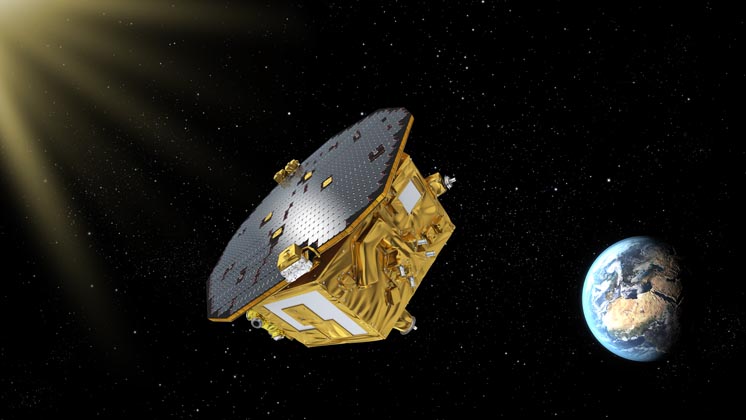
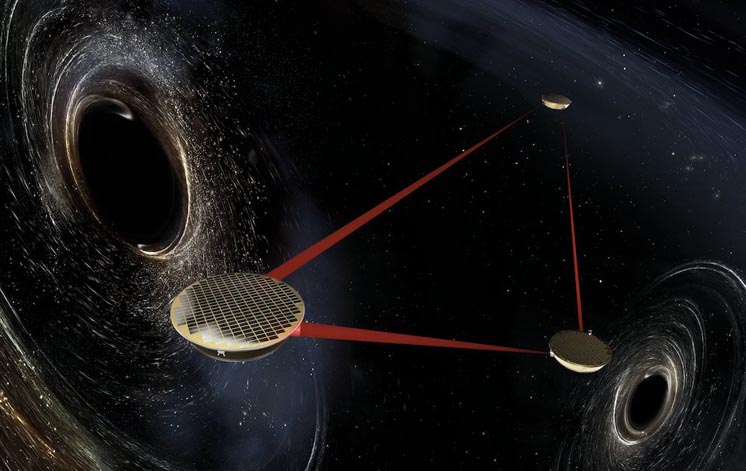
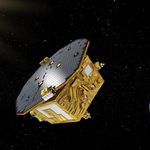
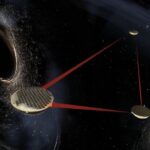
The disadvantage of an underground detector is that it cannot ‘hear’ the heaviest black holes, as these produce a wavelength greater than the size of the Earth. The only way to detect such gravitational waves is from space. That is why an international consortium, including SRON, is building the LISA detector. In the run-up to the planned launch in 2037, SRON and its partners built the LISA Pathfinder back in 2015.
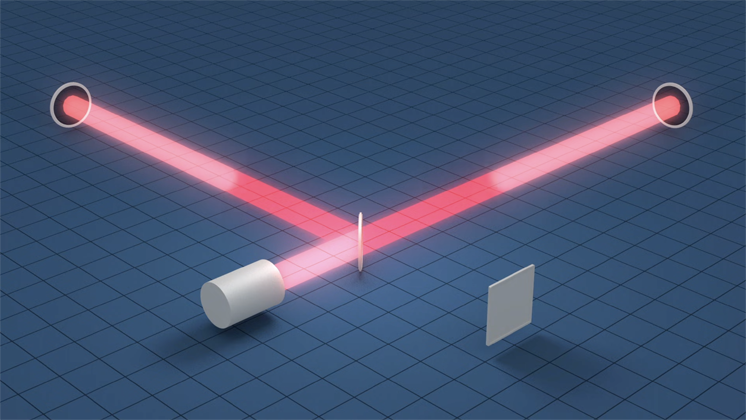
LISA Pathfinder tested the principle on which LISA is based. The housing shields a test mass from external influences such as cosmic radiation and the solar wind, ensuring it remains in free fall. A passing gravitational wave then causes that test mass to vibrate. LISA Pathfinder demonstrated that it is possible to keep a test mass in complete free fall and to measure and maintain the distance to the housing with picometre precision.
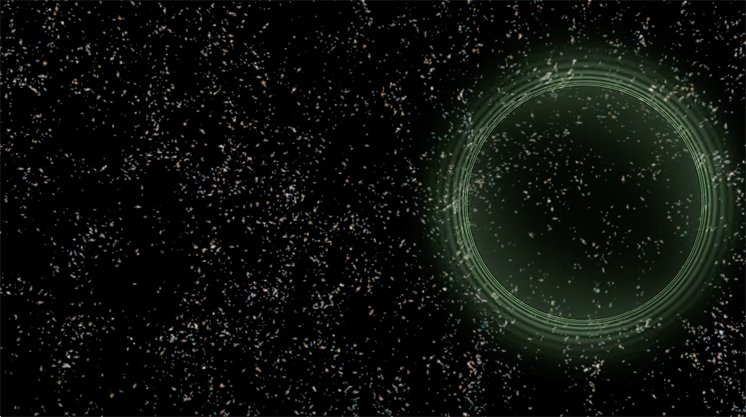
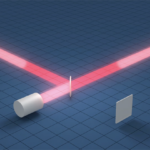
- Photos: LIGO Caltech, LISA Consortium: Two black holes collided 1.3 billion years ago. This created a ripple through space-time, which travelled through the universe and eventually distorted the Earth 1.3 billion years later. An interferometer can measure this. Click here to watch the full video on this topic. With LISA, this will soon be possible from space. The technology has already been tested using LISA Pathfinder.
- Photo: ESA: A glimpse inside the inner workings of LISA Pathfinder.