



 Back to the story of SRON



Shedding light on the blind spot in our climate balance
2024
CO₂ and methane are responsible for the majority of climate change. Their relative contribution to global warming is known with a fair degree of accuracy. However, the cooling factor, aerosols, presents a greater degree of uncertainty.
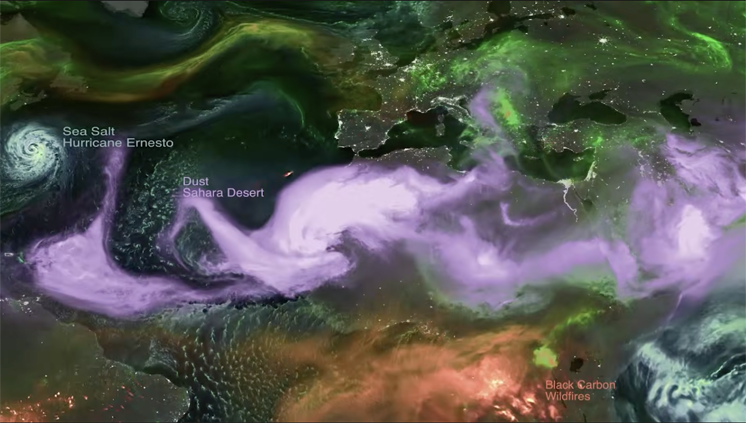
Aerosols are tiny particles in the atmosphere, such as soot, ash or desert dust, and have a net cooling effect. They therefore mask part of the effect of our greenhouse gas emissions, which, without aerosols, would be even more severe than we are already experiencing.
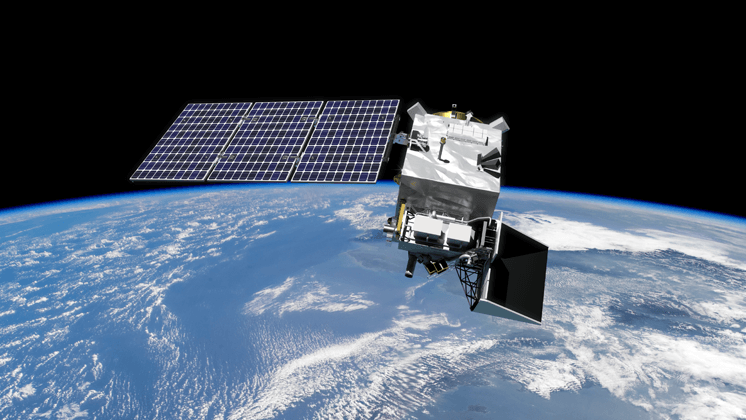
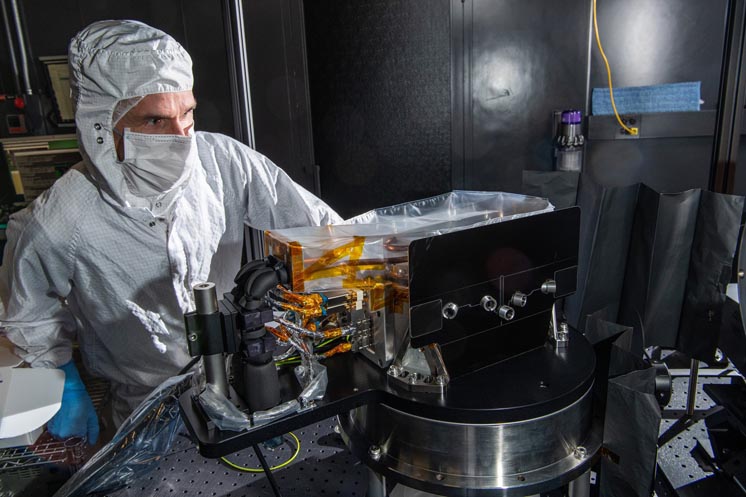
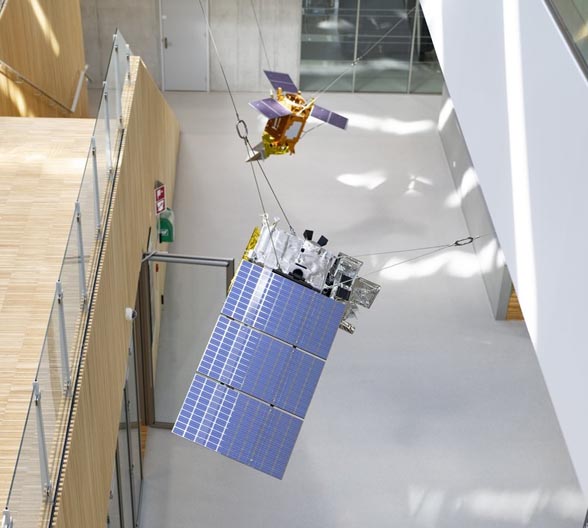
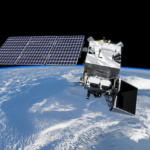
The Dutch SPEXone instrument on board NASA’s PACE satellite has been measuring the quantity and properties of aerosols across the globe since 2024.
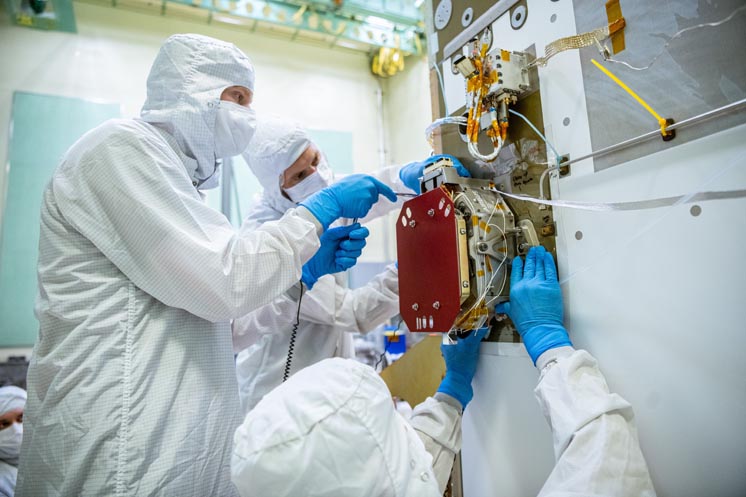
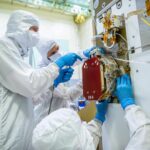
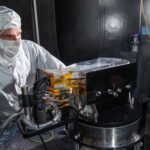
SPEXone is packed with innovations such as a telescope with five viewing directions and a module for detecting polarisation, which makes the instrument more compact and accurate.
Scientists from SRON and other institutes are using the SPEXone data to reduce the margin of uncertainty surrounding the cooling effect of aerosols . To what extent are we reliant on aerosols to compensate, even slightly, for greenhouse gas emissions?
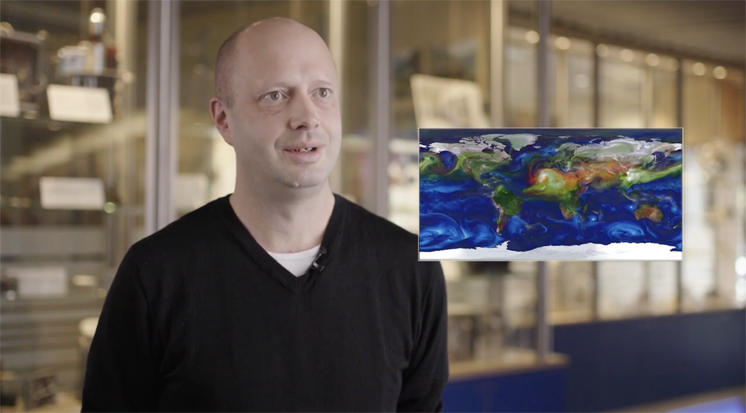
- Aerosols are something of a complicating factor in our understanding of global warming. We do not yet fully understand their impact on this process. Scientists are keen to improve their models in this regard. That is why the SPEXone instrument, developed by SRON and its partners, is on board NASA’s PACE satellite. Watch more about SPEXone here. To learn about aerosols in our atmosphere, you watch this.