Data links
Science collaborators
Niels van Bakel Jérôme Chenevez Nathalie Degenaar Margarita Hernanz Nicoleta Dinu-Jaeger Duncan Galloway Gijs Nelemans David Palmer
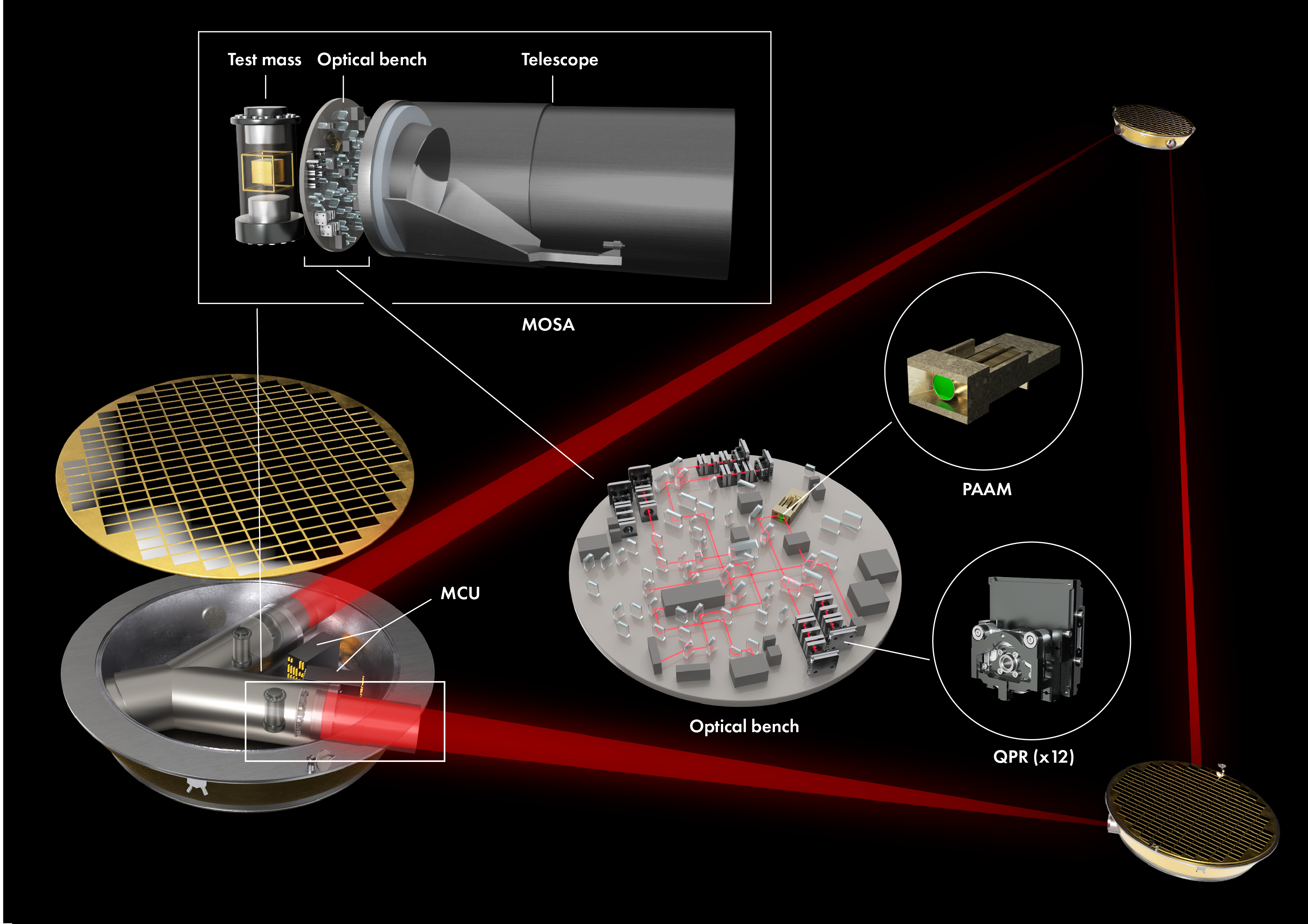
The LISA space-borne gravitational wave detector, foreseen for launch
in 2035, will have three Dutch candidate contributions: the Quadrant
PhotoReceivers (QPR, led by SRON; 72 needed on LISA), the Mechanisms
Control Unit (MCU; led by SRON; 6 needed) and the Point Ahead Angle
Mechanism (PAAM; led by TNO; 6 needed). The Dutch funding agency NWO
has granted 12 million euros to develop the first two
contributions to flight level, as well as fund overlapping development
of the QPR for the Einstein Telescope. This grant was provided as part
of the 2021 NWO call for Large-scale Research
Infrastructures. Matching funds are provided by SRON, Nikhef and 5
universities in the Netherlands.See
SRON news flash.
(February 2, 2023; Image: schematic outline of Dutch contributions to LISA)
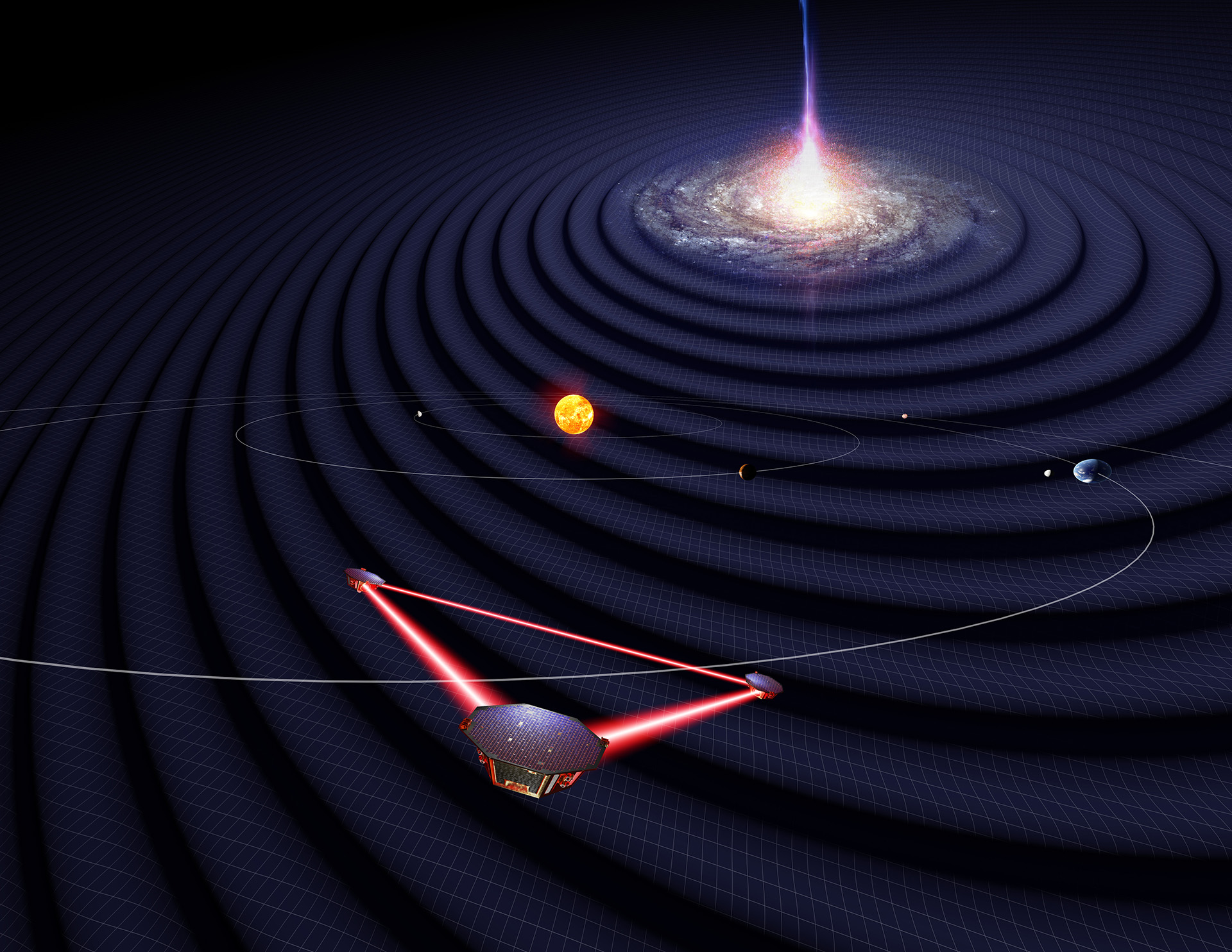
Since 2018, we (SRON, Nikhef, BRIGHT Photonics and SMART Photonics)
are developing quadrant photodiodes for ESA's Laser Interferometer
Space Antenna. First prototypes have been produced and tested. They
show good promise that LISA's stringent requirements can be met (to
ultimately measure distances of 2.5 million km with an accuracy of
picometers). We are happy that NWO has now recognized this and granted
funding for the continued development of this device in the next 2-3
years. We are also working on the design of the housing of the
photodiodes, under strict alignment requirements, that will also host
the readout electronics (developed elsewhere). All components together
form the LISA 'photoreceiver' of which 72 will be needed 6 optical
benches with each 3 interferometers. We look forward to the work
ahead! See
SRON news flash.
(September 28, 2021; Image: LISA constellation within our solar system in front of gravitational waves emitted by an active galaxy / © University of Florida / Simon Barke)

At last, the MINBAR database of 7083 thermonuclear shell flashes on neutron stars has been released. Collecting and streamlining the data was a major project for the past 12 years by 10 researchers from 5 countries. We are very proud the work is completed. The data have been collected through measurements with the Dutch-Italian BeppoSAX-WFC instrument (1996-2002), the NASA instrument RXTE-PCA (1995-2012) and ESA's INTEGRAL-JEMX (2003-2012). They present a unique and convenient data set for researchers in the future. Compiling these data has resulted in one large overview paper and many spin-off scientific results. We are convinced there are still plenty of gems to be found!
For the paper,
click here.
(August 17, 2020; picture from press release Monash University)
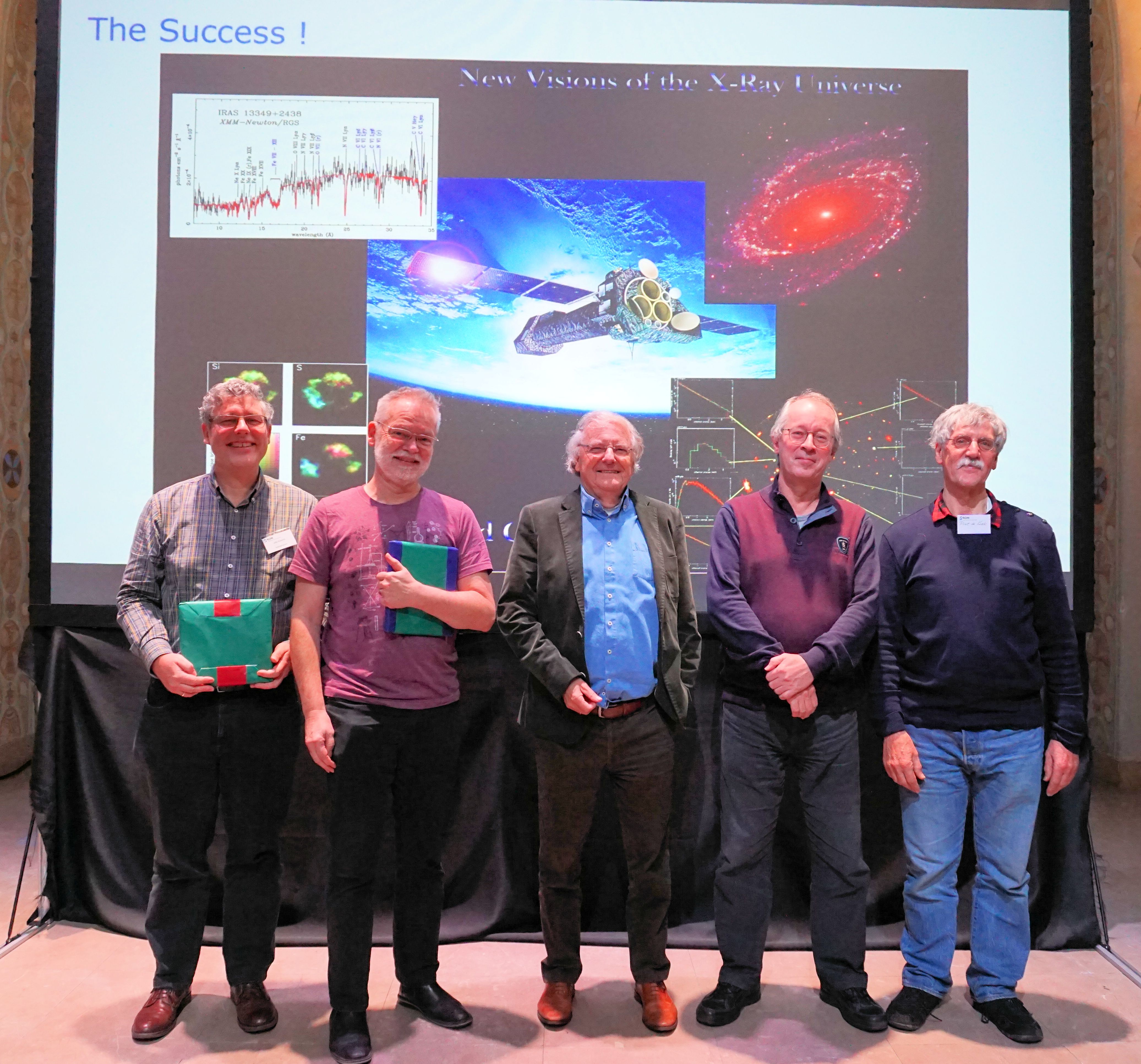
This month, celebrations are going on in Madrid and Boston because it is 20 years ago that ESA's cornerstone mission XMM-Newton and NASA's flagship mission Chandra were launched and put into operation. For SRON, this is also reason for celebration, because it contributed high-resolution spectrometers to both missions - instruments that are still functioning very well. At the SRON Science Days on November 18 and 19, there was a special session with contributions by some of the important SRON players in these missions at SRON then and now, from left to right: Jelle Kaastra, Frits Paerels, Johan Bleeker, Fred Jansen and Piet de Korte. They gave us insight in how the missions were conceived, designed and built, and what impressive science results came out so far. The missions are still going strong and are expected to do so for another 10 years at least.
(December 6, 2019)
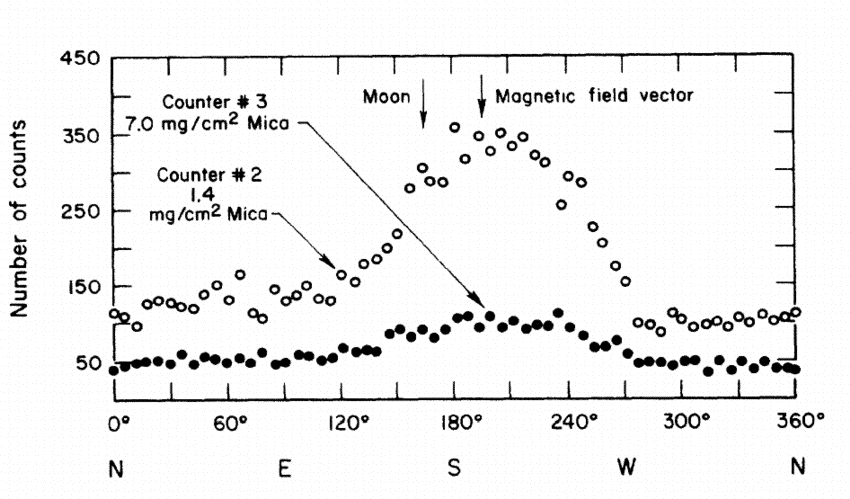
Last Sunday, sadly the great pioneer in X-ray astronomy
Riccardo Giacconi passed away. In 1962, he discovered the first
extra-solar X-ray emitting object (Sco X-1), against all
contemporaneous beliefs about such a possibility. Appropriately, this
won him the Nobel Prize. Now, 56 years and 30 X-ray observatories
later (11 in operation now!), the community wants to push further and
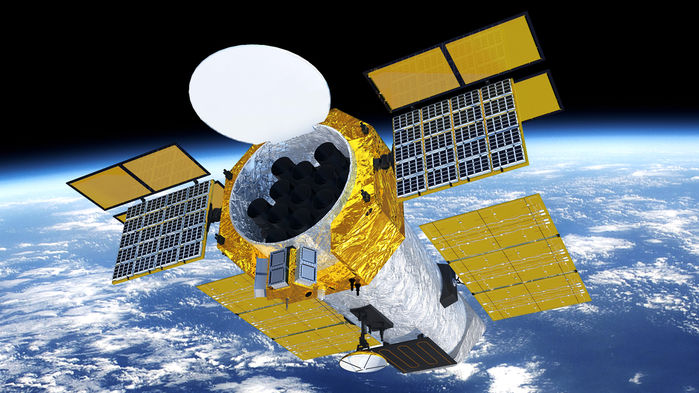
further with larger and larger telescopes. The large European-led
Athena mission will launch in 2031 to uncover for example the massive
voids (really) between clusters of galaxies.
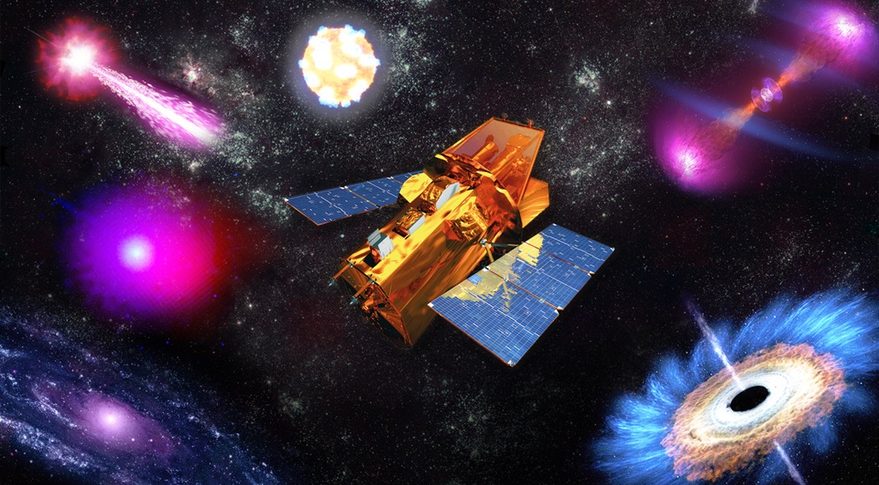
'Everybody' knows that The Neil Gehrels Swift Observatory is a highly
successful NASA mission for the study of gamma-ray bursts. Hardly
anybody knows that it is also very useful for the study of X-ray
bursts. Both phenomena may seem very similar in name, but are totally
different in origin. Gamma-ray bursts are stellar implosions yielding
black holes in far-away galaxies, while X-ray bursts are nuclear
explosions on nearby neutron stars in the Milky Way. The difference in
wavelength is about a factor of 100. X-ray bursts emit at around 10
Angstrom and gamma-ray bursts at about 0.1 Angstrom. Swift detected
about as many X-ray as gamma-ray bursts. We studied the subset of
these for which Swift downloaded abundant data to Earth. We find some
pretty extraordinary cases that are very powerful. So powerful that it
seems that the explosion disrupts the surroundings of the neutron
star.
For the paper, click here.
(November 19, 2018; picture Swift website)

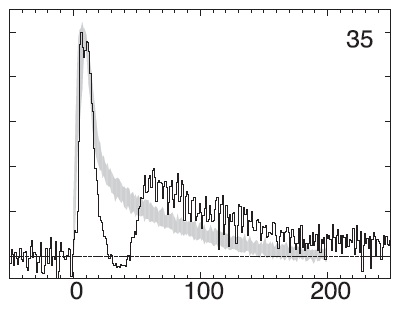
We have concluded a study of the the decay phase of 501 X-ray bursts,
both to get better statistics than a previous study of 37 bursts and
to, for the first time, obtain a quantitative overview of the extent
of the nuclear rapid-proton capture process - a nuclear fusion process
that occurs at extremely high temperatures of around one billion
degrees Kelvin. For the decays we find an elegantly simple model
composed of a power law function (due to neutron star cooling) and a
Gaussian (due to the rp process). The power law decay indices are
between 1.0 and 2.5, confirming earlier measurements of the 37 burst
sample. Neutron star cooling seems unaffected by the nature of the
fuel. The simplicity of these cooling functions is as yet unexplained
by theory. The rp-process fluence fraction peaks at 60%, which implies
a hydrogen abundance remaining after the helium flash that is at least
five times sub-solar. This is the first time such a measurement has
been carried out for this unusual nuclear process.
For the paper, click here. For an online table and fit plots, click here
(September 7, 2017; picture Katalin Szarvas)
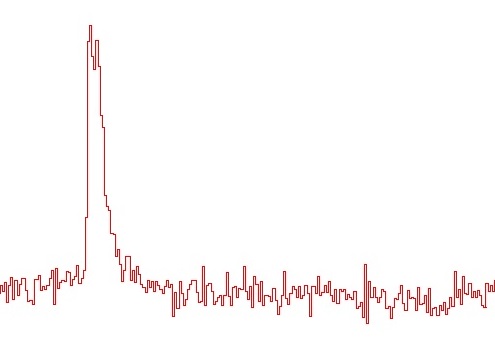
While investigating RXTE data for the MINBAR project, we discovered a
previously unknown burster in an X-ray transient that was active nine
years ago - XTE J1812-182. This was probably not noticed before
because the bursts are an order of magnitude fainter than usually. The
faintness suggests a far away location, at the far end of the Milky
Way, possibly as far away as 50-100 thousand light years. This
testifies to the brilliance of these events, orginating on objects
(neutron stars) as small as 20 km and but far away as hundreds of
quadrillion km (a number equal to 1 or a few plus 17 zeros).
For the initial discovery report, see here. A paper is in preparation.
(September 7, 2017; picture is time profile of one burst from
XTE J1812-182)
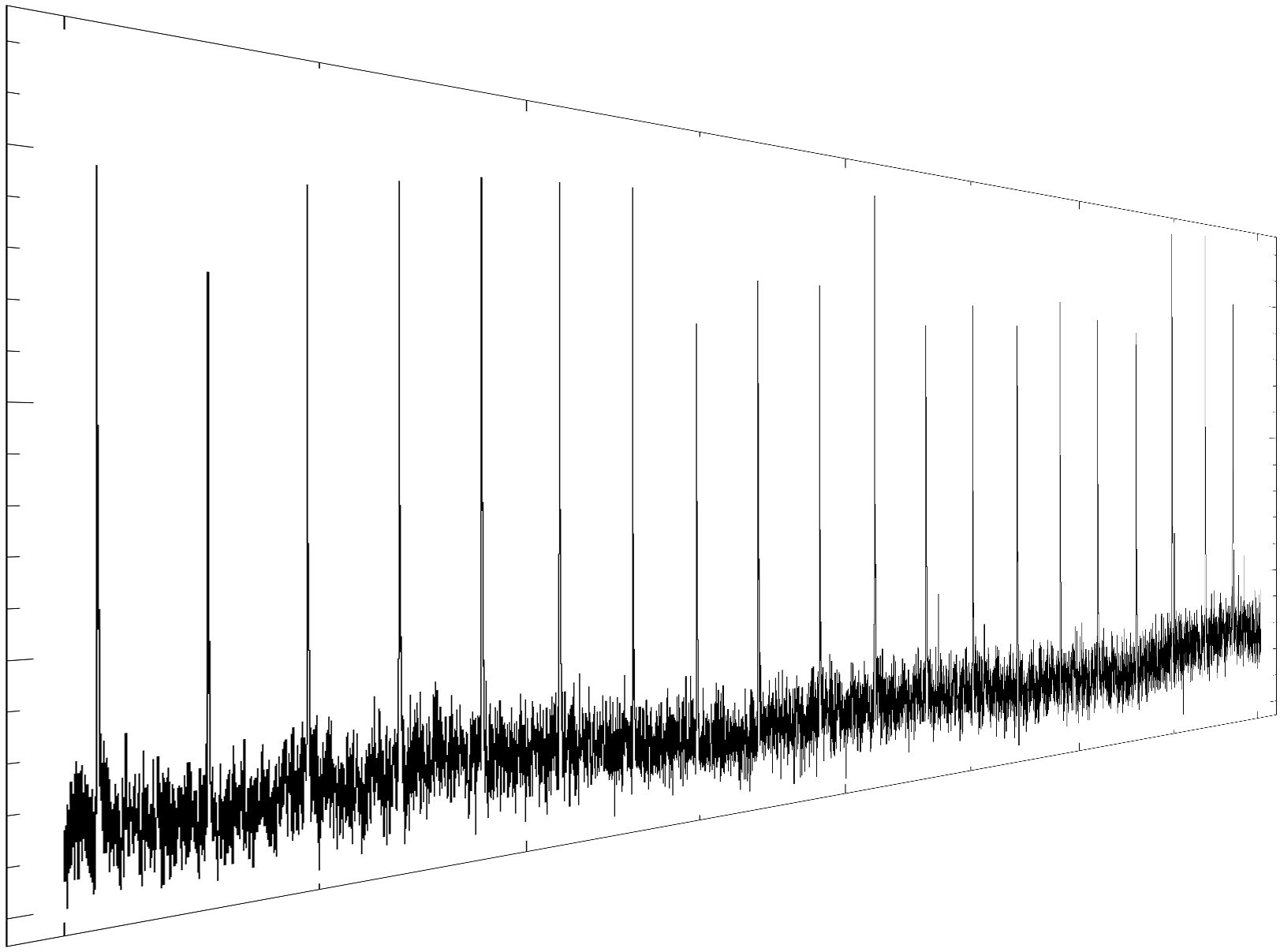
In the spring of 2015, we carried out a careful observing campaign on
the binary star system 'the Rapid Burster'. The purpose was to catch
the onset of one of its transient outbursts with the large X-ray
telescope on NASA's Chandra observatory. But first, we monitored for a
month the Rapid Burster with the smaller telescope on NASA's Swift
observatory. We were careful not to trigger Chandra on small
brightenings that fail to develop to a full-blown outburst. On May
20th, however, we detected a fast flux increase and triggered
Chandra. The turn-around of Chandra was quick: the telescope was on
target only 1.3 days after our trigger. The observation lasted 22
hours and served our purposes excellently. Our intention was to
detect 20 thermonuclear X-ray bursts and that's just what it did! The
regular bursting provided us with another clocked burster for 22
hours. Unfortunately, we did not detect the sought-after narrow
features in the spectrum of these bursts. Nevertheless, this
observation shows that careful campaigns can be succesful in catching
as many burst as possible in a short time. Now we only need to target
the one kind of bursts not targeted yet: 'superexpansion'
bursts.
For the paper, click here.
(April 12, 2017; picture from paper)
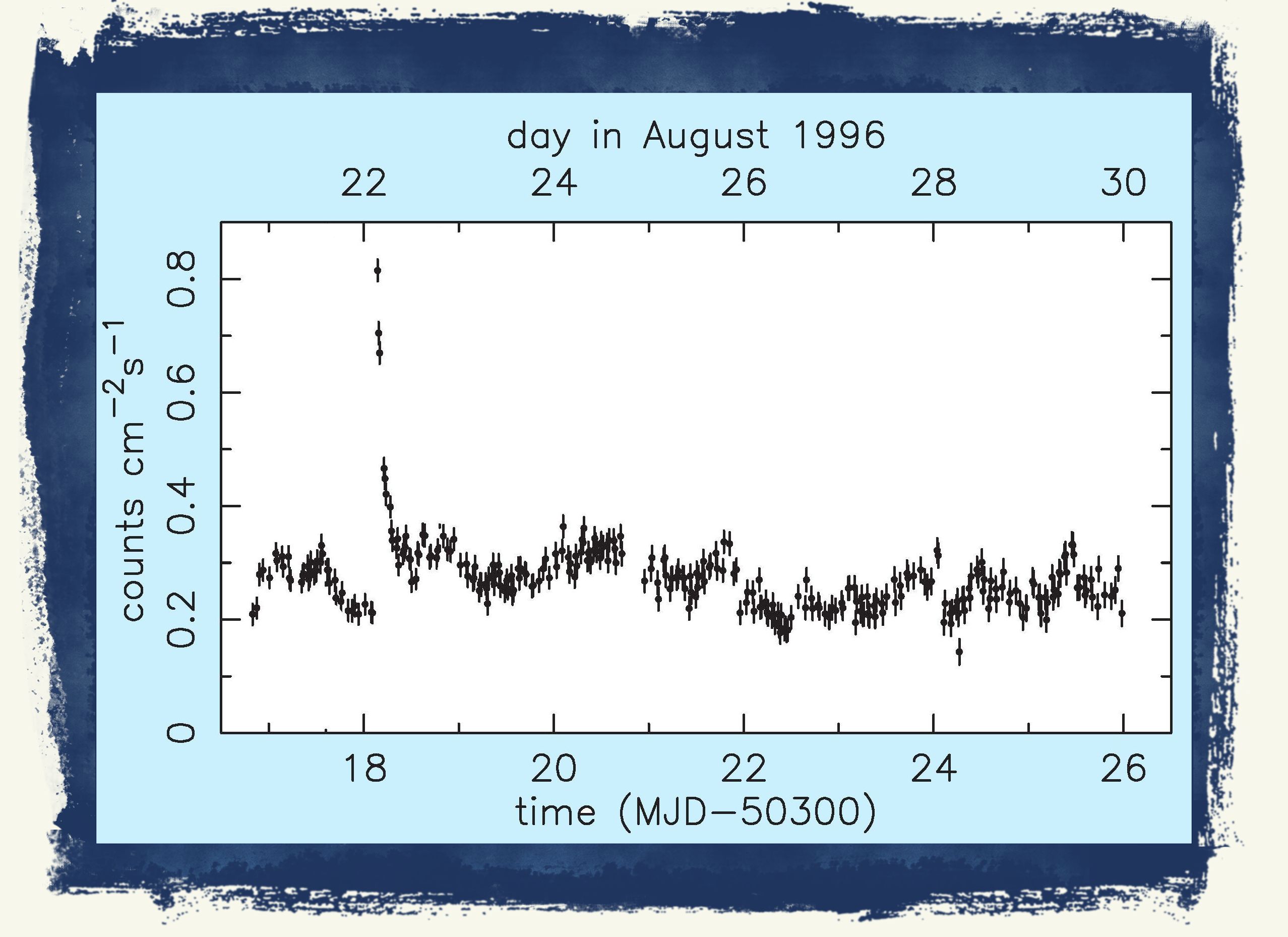
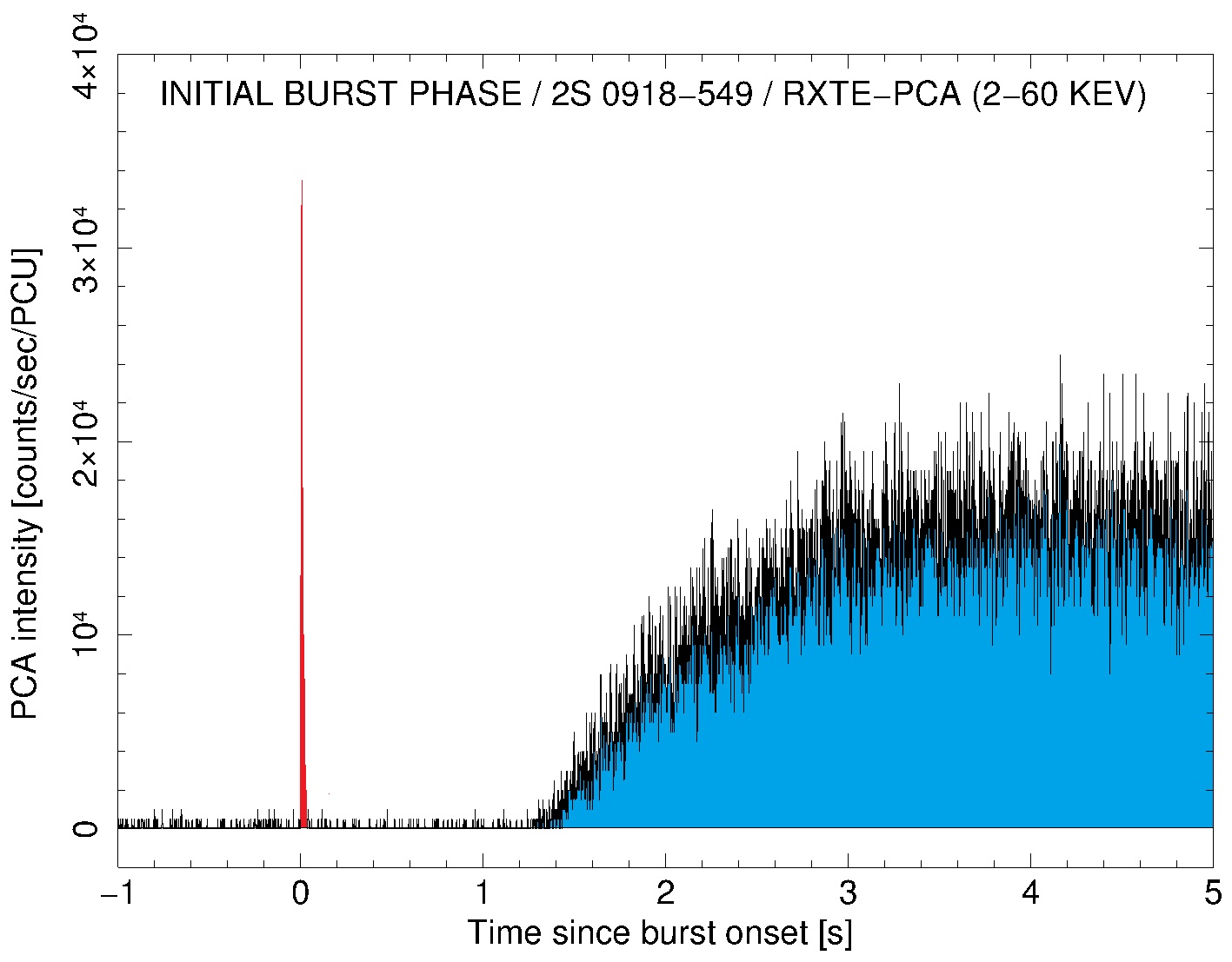
At the beginning of this millennium, superbursts were discovered by
Remon Cornelisse and the WFC team at SRON in data from 1996, see
picture above. They are day-long flashes from neutron stars.
Theoreticians jumped up and quickly found an explanation: the nuclear
ignition of a thick layer of carbon on the surface of a neutron
star. One could say superbursts are the non-destructive cousins of the
type Ia supernovae. Superbursts are a rare phenomenon: they happen
only once every few years on an accreting neutron star. The current
discovery machine for superbursts is the Japanese MAXI all-sky X-ray
monitor, active since 2009 on the International Space Station. At the
workshop '7 years MAXI' in Tokyo last December, I gave a status report
of the research on superbursts. Sofar, 26 cases have been detected
from 15 neutron stars. However, the understanding has not been made as
much progress: the conditions seem insufficient for carbon ignition
and it is hard to accumulate sufficient amounts of carbon even over a
time scale of years. The community looks forward to more detailed
observations of superbursts in the future with for instance high-duty
cycle all-sky monitors. For a concise review paper,
click here.
(March 30, 2017; picture Remon Cornelisse)
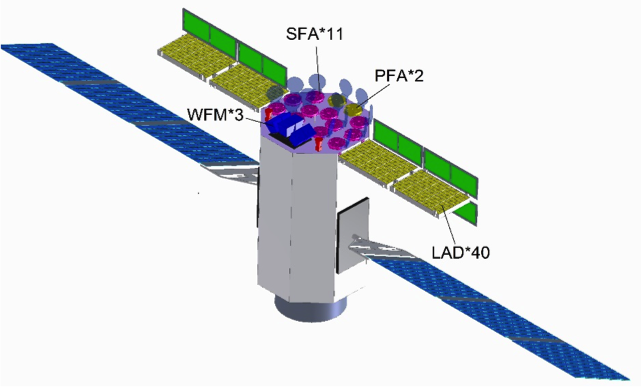
The LOFT Coordination Team has decided to concentrate its technical
and programmatic efforts to further consolidate a coordinated European
participation to eXTP. It was decided not to submit a LOFT
proposal to the ESA M5 call that is due in October 2016. On a longer
time scale, the LOFT Consortium will continue its support to the study
of a LOFT-like mission (10 m2 effective area) in the US
context - LOFT-P - and possibly consider future ESA calls. There is
unique science that can only be addressed with an instrument in that
(10 m2) class. The eXTP mission has the following basic
specs: 4 m2 photon collectin area at 6 keV, soft-energy
coverage down to 0.1 keV with 0.6 m2 at 1 keV and no
pile up, polarimetric capability similar to what is proposed for
other ESA and NASA-proposed missions, wide-field monitoring capability
of 30% of prompt sky coverage and envisioned launch date 2025. For
further details, see soon at
this web site.
(summary of LOFT communication, June 27,
2016)
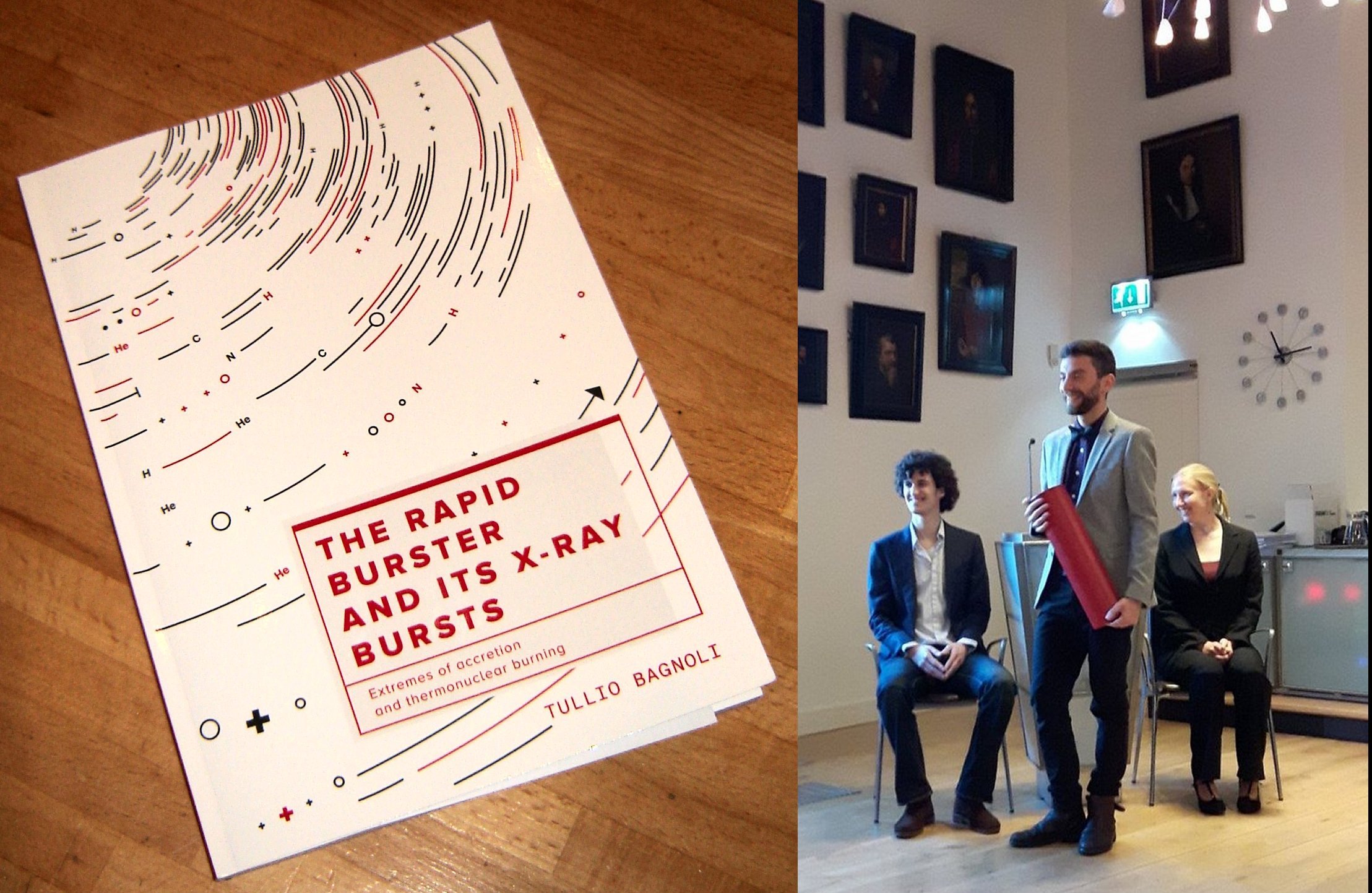
Rapid Burster expert Tullio Bagnoli succesfully defended his PhD
thesis today at the University of Amsterdam. The opposition,
consisting of Mariano Mendez, Alessandro Patruno, Wim Hermsen, Ralph
Wijers, Phil Uttley and Rudy Wijnands, questioned him on a large
variety of subjects: convexity, mHz QPOs, type I and type II bursts,
magnetic fields, pulsar quenching by plasmas, dead accretion disks,
and why the weird Rapid Burster is worth the sole subject of a
thesis. Promotor Michiel van der Klis and co-promotors Anna Watts and
Jean in 't Zand are very pleased with Tullio's success. Tullio is
eager to continue his research elsewhere! Picture right: Tullio with
paranimphs Rik van Lieshout and Marianne Heida (thanks to Twitter
account of Abigail Stevens). Thesis copies are still available.
(December 4, 2015)
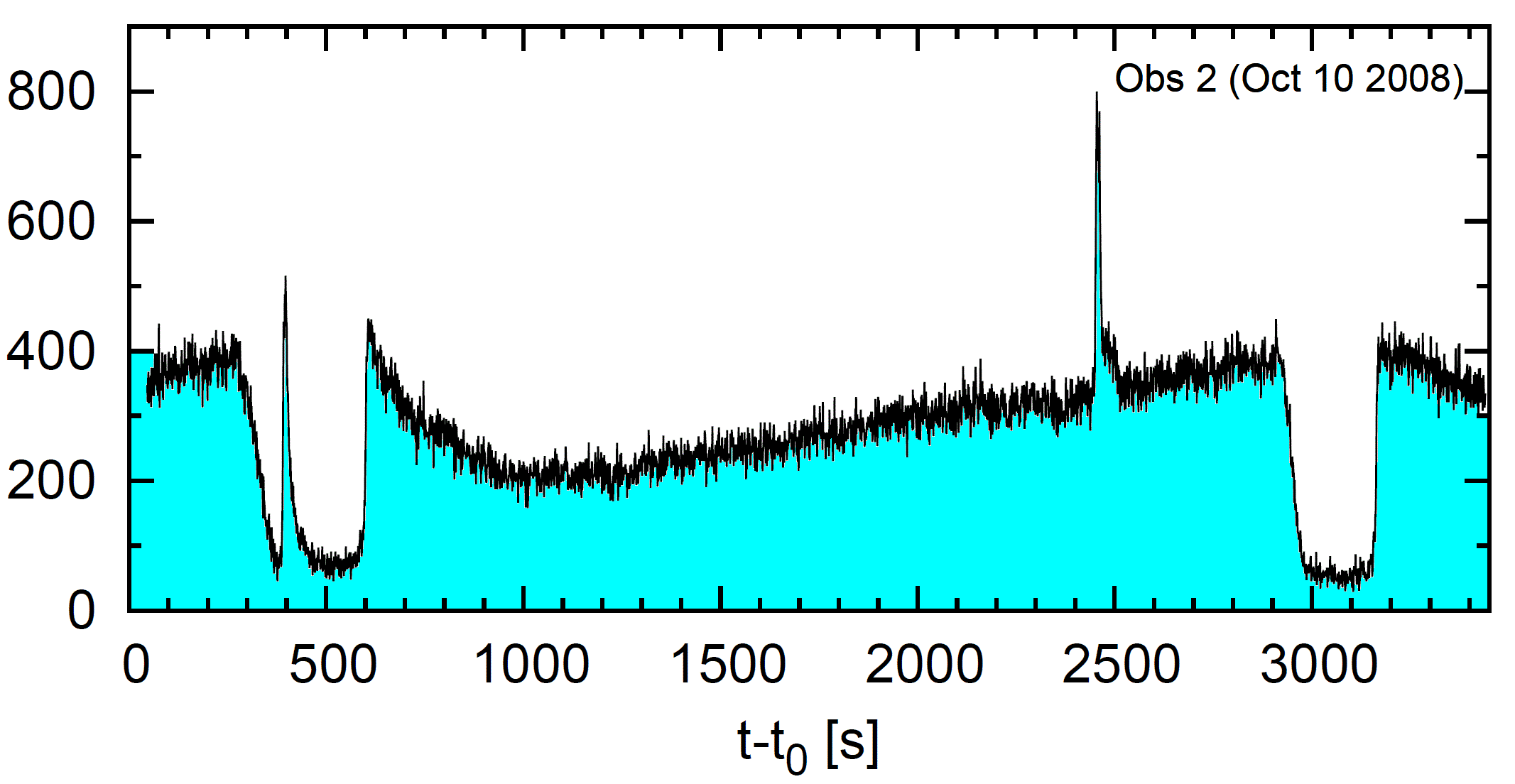
Tullio Bagnoli, Caroline d'Angelo (of Leiden University) and myself
have finished a massive population study of almost 8000 type-II bursts
from the Rapid Burster that we discovered in 1.0 Msec of RXTE observations
during which the Rapid Burster (RB) was active. This is the richest
data set available of the RB, in burst number, burst diversity and
data quality. Our study resulted in the discovery of a new kind of
type-II burst, one which lasts a couple of orders of magnitude shorter
than any other known sofar. These bursts were found in only two
instances and sometimes have weird time profiles: slow-rise fast-decay
instead of the other way around. Furthermore, we find that type-II
bursts are Eddington limited. Peculiarly, none show any sign of
photospheric expansion, so radiation pressure does not seem to be at
play in the RB. Finally, we have found two instances where the RB
shows behavior that is very similar to the enigmatic black hole system
GRS 1915+105 and is thought to be related to strong outflow (jet)
events. We attempt to explain the type-II burst behavior in the frame
of the 'dead disk' model which explain spasmodic accretion by magnetic
channeling of the accretion. These results have been published in two
papers for Monthly Notices of the Royal Astronomical Society,
see paper 1 and paper 2.
(April 2015; picture from paper 2)
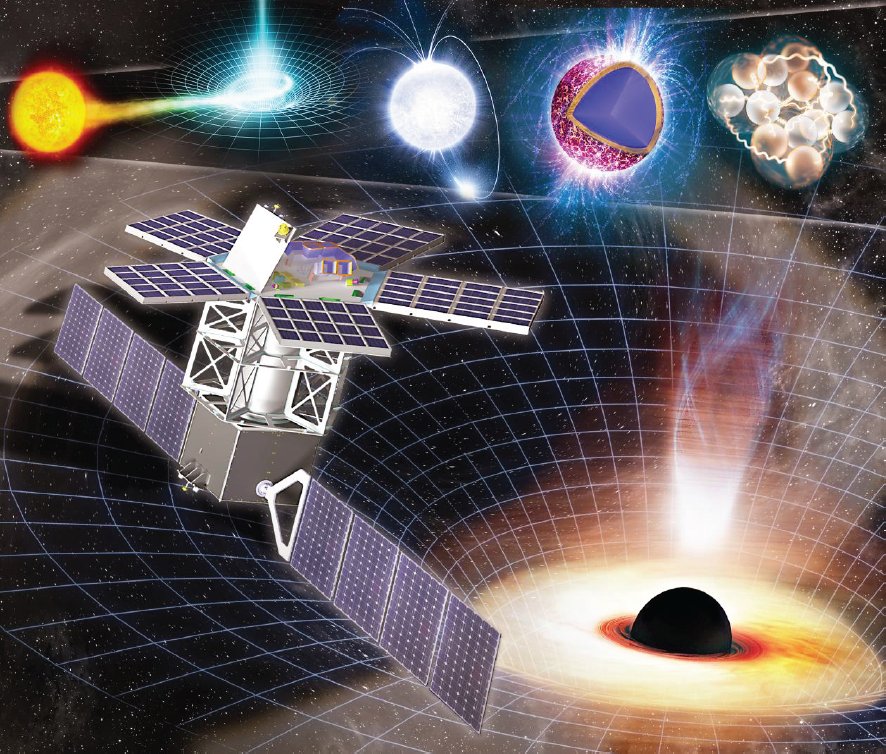
The Rossi X-ray Timing Explorer (RXTE) between 1995 and 2012 revealed
a lot of interesting detail in X-ray bursts, thanks to its
unprecedented 0.6 square meters of effective detector area in the
classical X-ray band. This resulted in many discoveries, like burst
oscillations. Still, one wonders how thermonuclear flames spread over
neutron star surfaces and whether burst oscillations are due to
vibrations of the neutron star surface brought on by those
flames. Also, it would be truly insightful to view the effects of
curved space-time around the neutron star and be able to take
measurements of fundamental physics (QCD, GR) at the extremes of dense
matter and space-time curvature. Therefore, a group of scientists and
engineers have conceived the idea of the Large Observatory for X-ray
Timing ('LOFT'). Making use of innovative light-weight detector
technology (silicon drift detectors combined with micro-channel
plates) and joining the potential of many European countries, China,
Japan and the USA, they found a way to build and launch 9 square
meters of detector area, 15 times more than RXTE. This will
revolutionize a number of research fields, not in the least that of
X-ray bursts. To support the LOFT idea and show the potential of LOFT
for X-ray burst measurements, 34 researchers have written
this 'White Paper'. The ball is now for
ESA to pick up..
(January 2015; picture from the front cover of the LOFT
proposal to the ESA M4 call)


News
Spaceflight Now Astronieuws NOVA nieuwsOther interesting links
Neutron Stars Nostalgia: JWG Afd. Maastricht Delnooz stamboom Kees de Jager
Astronomy Picture
of the Day
|
|