ASTROPHYSICS
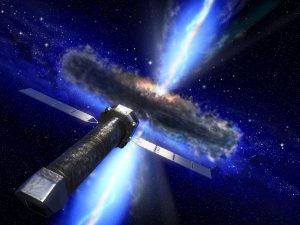
The Astrophysics programme at SRON is dedicated to unravelling the history of the universe, from the first stars and black holes to large-scale structure
EXOPLANETS

The Exoplanets programme is dedicated to atmospheres of planets beyond our solar system and is an in-between of SRON’s Astrophysics and Earth programmes.
EARTH
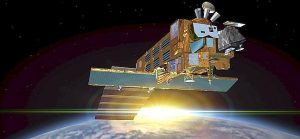
The Earth programme is aimed at the climate and air quality of planet Earth, with focus on the global carbon cycle and aerosols.
ENGINEERING
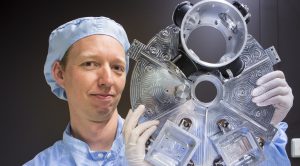
The Engineering group covers SRON’s skills and know-how with regard to product assurance, quality assurance, configuration control, design engineering – electronic & mechanical – and parts procurement. It is an expertise group that provides resources for all SRON instrument projects.
INSTRUMENT SCIENCE
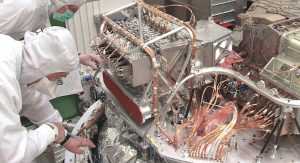
The Instrument science group covers SRON’s skills and know-how with regard to instrument physics, system engineering (up to full-instrument level) and project management. It is an expertise group that provides resources for all SRON instrument projects.
TECHNOLOGY
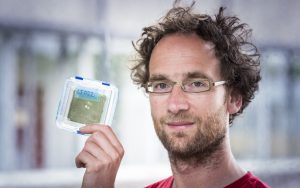
The Technology programme is SRON’s backbone for the development of enabling technology.